
Yogyakarta: Where a Sultan’s Kingdom Preserves Java’s Ancient Temples
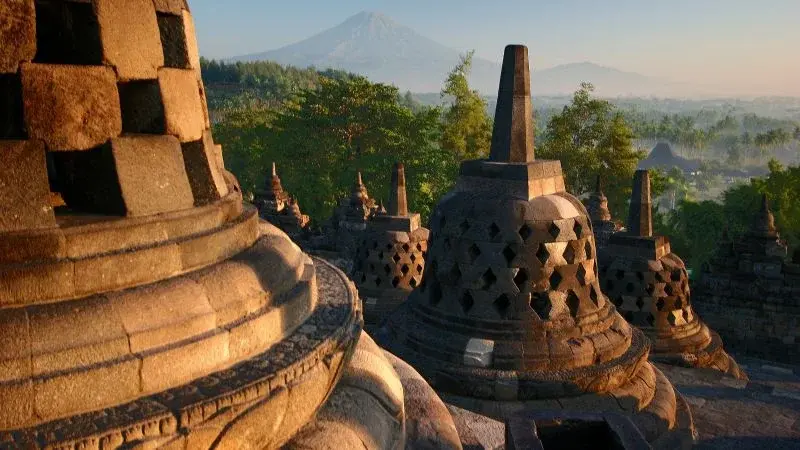
Yogyakarta, a sultanate within the Indonesian republic, offers a unique blend of modern urban life and ancient heritage. The city is the gateway to three UNESCO World Heritage sites within a 25-mile radius, including the Kraton (Sultan’s Palace), the water palace Tamansari, and the massive Borobudur and Prambanan temples. While Java is the world’s most populous island, Yogyakarta retains a distinct cultural identity, preserving Hindu and Buddhist monuments from the 8th to 10th centuries. Visitors can experience traditional rituals, such as touching Buddha statues at Borobudur, and explore the intricate stone reliefs that depict historical and mythological scenes. The region balances contemporary tourism with deep spiritual and historical significance, offering a glimpse into Indonesia’s pre-colonial past.
Key points
- Yogyakarta is a sultanate within the Indonesian republic, retaining its monarchy after the country gained independence from Dutch colonial rule.
- The city contains three UNESCO World Heritage sites within a 25-mile radius: Yogyakarta itself, Borobudur, and Prambanan.
- Borobudur, a Buddhist temple built in the 8th-9th centuries, limits daily visitors to 1,200 and requires timed entry slots.
- Prambanan, a Hindu temple complex from the 10th century, features over 200 shrines and was restored starting in the 1930s.
- The Kraton, or Sultan’s Palace, is open to the public with guided tours that explain the symbolic meaning of its structures.
- Tamansari, a water palace, blends Dutch and Indonesian architectural styles and is adjacent to a modern tourist village.
Background
This article highlights the cultural and historical significance of Yogyakarta, a region in central Java, Indonesia. It contrasts the modern, bustling city with its ancient heritage, emphasizing the coexistence of a sultanate within a republic. The piece also touches on the broader context of Indonesia’s religious history, noting the transition from Hindu and Buddhist dynasties to Islam, and the preservation of ancient temples like Borobudur and Prambanan. The article mentions the repatriation of artifacts from the Netherlands, reflecting the ongoing efforts to recover cultural items taken during the colonial period.
Why it matters
Yogyakarta serves as a critical link between Indonesia’s modern identity and its ancient past. The preservation of its temples and the continued presence of the sultanate highlight the country’s complex cultural heritage. The site’s popularity and the efforts to protect and restore these monuments underscore the importance of cultural preservation in a rapidly modernizing world. Additionally, the repatriation of artifacts from former colonial powers like the Netherlands reflects a growing global awareness of historical injustices and the importance of returning cultural items to their countries of origin.
What to watch
The article suggests that Yogyakarta and its surrounding temples will continue to attract tourists and scholars interested in Indonesia’s rich history. The ongoing repatriation of artifacts from the Netherlands may lead to the return of more items to Java. The increasing interest from Indian tourists in Hindu heritage sites like Prambanan could also boost tourism in the region. Additionally, the efforts to protect and restore these ancient monuments will likely continue, ensuring their preservation for future generations.
Want the full story? Read the original reporting
Read on CNN