
UK Launches Offender Restriction Zones Amid Criticism Over Lack of Detail
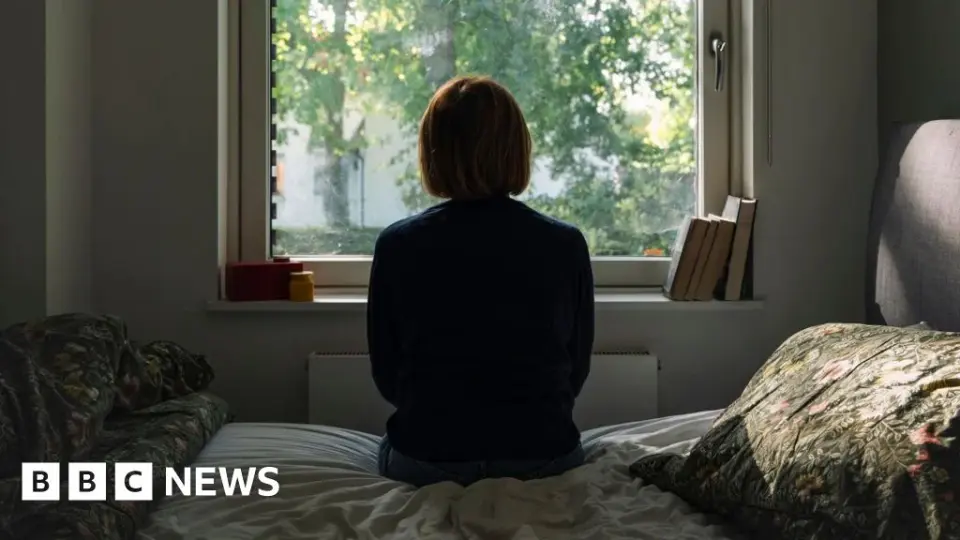
The UK government will launch a new 'restriction zone' scheme in October, confining serious violent and sexual offenders to specific areas using GPS monitoring. While Justice Secretary Alex Norris frames this as a world-first measure to protect victims, campaigners criticize the lack of implementation details and worry about the capacity of probation services to enforce the rules effectively.
Key points
- The restriction zone scheme begins in October in England and Wales, allowing probation officers to limit where serious offenders can go for as long as deemed necessary.
- The scheme uses GPS technology to monitor offenders, with breaches potentially leading to immediate recall to prison.
- It goes beyond current 'exclusion zones' by confining offenders to specific areas rather than just banning them from specific locations like a victim's home.
- The plan was introduced after a backlash over early release policies, which were updated in August to exclude those convicted of rape and serious child sex offenses.
- Critics argue the government announced the scheme without providing sufficient detail on eligibility, zone sizes, or enforcement capacity, creating anxiety for victims.
Background
The UK government previously announced its intention to introduce restriction zones last year. In August 2026, the Ministry of Justice updated its early release policy to exclude individuals sentenced for rape, serious child sex offenses, and grooming, following public backlash. This move was intended to ease prison overcrowding but faced criticism from prison governors who warned of late-stage changes straining staff. The new restriction zone scheme is part of a broader effort to address concerns about prisoner release and victim safety.
How outlets are covering it
BBC reports that Justice Secretary Alex Norris views the scheme as a way to ensure offenders, not victims, bear the consequences of their crimes, emphasizing GPS monitoring and victim consultation. The Guardian highlights criticism from survivors and campaigners, such as Rhianon Bragg and Hetti Barkworth-Nanton, who argue the government is grabbing headlines without providing necessary details on implementation, eligibility, or enforcement capacity. They express concern that the lack of clarity may increase anxiety for victims and that the zones may not be sufficiently distant from victims' homes. The Telegraph source is inaccessible due to a security block, so no perspective can be drawn from it. The BBC notes that while the scheme is praised by some, such as Amy Glover from Advance, there are concerns about the low conviction rate for domestic abuse and the need for victims to trust authorities to follow through on protection promises.
Why it matters
The restriction zone scheme represents a significant shift in how the UK manages post-release supervision for serious offenders. It aims to reduce the risk of victim-offender contact and provide greater freedom for victims. However, the effectiveness of the scheme depends on adequate resources, clear guidelines, and public trust. If probation services are under-resourced or the zones are not properly enforced, the scheme could fail to protect victims and may even exacerbate their fear and anxiety. The outcome will influence future criminal justice policies and the balance between public safety and the rights of offenders.
What to watch
The government is expected to provide further details on the restriction zone scheme as it is rolled out in October. Justice Secretary Alex Norris is also expected to propose further restrictions on the early release of some prisoners when Parliament resumes next month. The Ministry of Justice plans to work closely with victims' groups and other stakeholders to ensure the scheme operates as intended. There will likely be ongoing debate about the adequacy of probation services and the need for investment in monitoring technology.
- Restriction zone scheme for offenders to start in October BBC
- Survivors of violent crime criticise MoJ for not explaining offender restriction zones The Guardian
- A dangerous game of tag with criminals The Times
- GPS tag to keep sex offenders in restriction zones after release The Telegraph
- Violent and sexual offenders to be confined to zones of 'a few miles' after release from prison Sky News
Want the full story? Read the original reporting
Read on BBC