
Downing Street Urges Investigation After Brand's Prison Message Denies Convictions
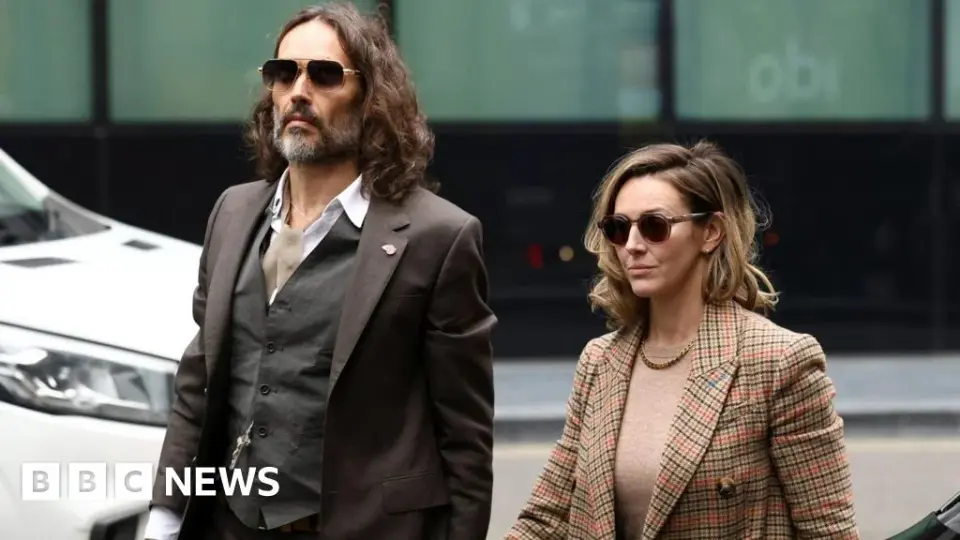
Downing Street is urgently investigating a message from convicted rapist Russell Brand, read by his wife Laura on their YouTube channel, in which he claimed innocence for his sexual offenses. The government stated that prisoners are banned from causing distress to victims and that such rules cannot be bypassed by third parties. Brand, serving a 10.5-year sentence at HMP Littlehey, faced condemnation from officials and victim advocates, while his wife continued their weekly show despite his absence.
Key points
- Downing Street called Brand's prison message 'clearly appalling' and confirmed it is under urgent investigation for potential breaches of prison rules.
- Brand, convicted of one count of rape and three counts of sexual assault, claimed in the message that he is not guilty of the offenses for which he was jailed.
- Laura Brand read the statement on their 'Sunday Service' YouTube channel, noting Brand is currently held at HMP Littlehey in Cambridgeshire.
- Foreign Secretary Ed Miliband condemned the message as 'disgusting' and expressed regret for appearing on Brand's show in 2015.
- Victims' Commissioner Andrea Simon warned that the public broadcast of the denial would retraumatize survivors and called for stricter platform regulations.
Background
Russell Brand was sentenced to 10.5 years in prison on November 9, 2026, following a conviction at Southwark Crown Court for sexual offenses committed between 1999 and 2009. He was acquitted of two other rape charges and one count of attempted indecent assault. Prior to this week's developments, Brand had been moved from HMP Wandsworth to HMP Littlehey, a facility primarily housing sex offenders. Recent archive coverage noted that new allegations from multiple women emerged alongside his conviction, prompting discussions about reforms in how rape myths are handled in UK courts.
How outlets are covering it
While all sources confirm the content of the message and the government's response, they emphasize different aspects. The BBC and The Independent focus heavily on the official government response, highlighting Downing Street's statement that the message is 'appalling' and being investigated for rule-breaking. USA Today and People.com provide more detail on the personal dynamics, noting Laura Brand's emotional reaction and her decision to continue the 'Sunday Service' series despite her husband's absence. The Independent also highlights Justice Secretary Alex Norris's call for new rules to prevent lawyers from using rape myths in court, a point not emphasized in the other outlets. All sources agree that Brand's message included a denial of guilt and praise for prison staff, but they differ in the weight given to the political fallout versus the personal impact on the victims and the family.
Why it matters
This incident highlights the tension between freedom of expression for convicted offenders and the protection of victims from public distress. The government's stance that prison rules cannot be circumvented by third parties sets a precedent for how media platforms and prison authorities handle statements from high-profile inmates. It also underscores ongoing debates in the UK about the handling of sexual offense cases, the role of media in retraumatizing victims, and the need for stricter regulations on how convicted individuals communicate with the public.
What to watch
The investigation into whether Brand broke prison rules is expected to conclude soon, potentially leading to disciplinary action. Laura Brand is expected to continue the 'Sunday Service' YouTube series, potentially facing further scrutiny from authorities and the public. The government may also move forward with proposals to regulate how media platforms handle statements from convicted sex offenders, as suggested by Victims' Commissioner Andrea Simon. Additionally, discussions about changing the age of consent laws and handling rape myths in courts may continue in the wake of the Brand case.
- Miliband says Russell Brand's crimes were 'heinous and awful' BBC
- Russell Brand's wife breaks her silence, reveals his message from prison USA Today
- Russell Brand’s Wife Laura Speaks Out After His Rape Conviction and Prison Sentence: ‘It’s Painful’ People.com
- Russell Brand’s ‘appalling’ prison message being urgently investigated, say No 10 The Independent
- Jailed Russell Brand's wife reads statement from him and claims 'something strange is happening' Daily Star
Want the full story? Read the original reporting
Read on BBC