
Dover and Portsmouth Disruptions Expose Police Intelligence Failures in Anti-Migrant Protests
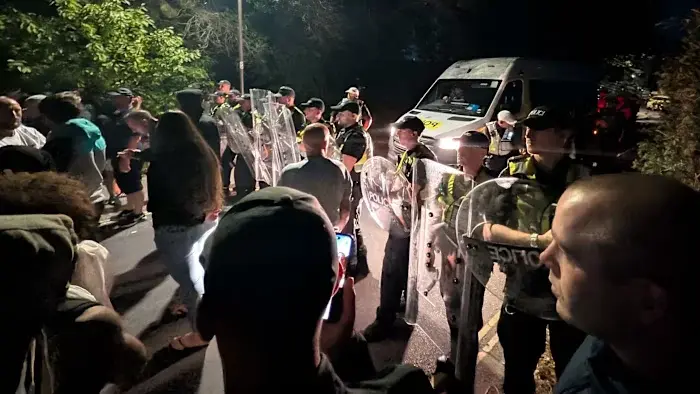
Coordinated anti-immigrant protests in Dover and Portsmouth disrupted critical infrastructure, prompting severe criticism of police intelligence failures. While the government condemned the 'thuggish' behavior, far-right figures like Daniel Thomas claimed credit, highlighting a gap between official narratives and on-the-ground coordination.
Key points
- On Saturday, up to 500 masked protesters blocked roads at the Port of Dover, halting operations for several hours; on Sunday, similar groups blocked lifeboat crews in Portsmouth from landing 140 migrants.
- The UK government condemned the actions as 'intimidating and thuggish,' emphasizing that peaceful protest must not cross into disorder, while noting small boat crossings have dropped by over 40% this year.
- Daniel Thomas, a far-right activist, claimed credit for the Dover disruption, while Hope Not Hate identified the 'Patriot Platform' as the organizer, alleging police failed to act despite prior warnings.
- Labour MP Mike Tapp criticized Kent Police for apparent intelligence failures, noting the coordinated nature of the event contradicted claims of spontaneity, and called for better resource allocation.
- The Crime and Policing Act 2026 allows police to designate areas where concealing identity is an offense, but no arrests were made during the Dover incident, raising questions about enforcement.
Background
Recent months have seen increased scrutiny of anti-migrant activism in the UK, with previous incidents in Dover and other coastal areas highlighting tensions between far-right groups and law enforcement. The current events follow a trend of coordinated disruptions, with earlier archive coverage noting similar protests in September 2026 that halted traffic into the Port of Dover. This incident is part of a broader pattern of far-right mobilization, with groups like Patriot Platform gaining traction through social media and local recruitment efforts.
How outlets are covering it
The Financial Times and The Guardian emphasize the intelligence failures of Kent Police, with The Guardian noting that the protest was clearly coordinated, contradicting police claims of spontaneity. CNN focuses on the immediate disruption and the lack of violence, while the BBC highlights the role of far-right figures like Tommy Robinson and Daniel Thomas in mobilizing the crowd. The UK government and Labour politicians condemn the actions, but far-right figures like Rupert Lowe of Restore Britain defend the protesters, creating a polarized political response. Hope Not Hate criticizes the authorities for failing to act on prior warnings, while former police superintendent Martin Gallagher points to an 'intelligence failure' by the force.
Why it matters
The incidents expose vulnerabilities in UK public order management and raise questions about the effectiveness of current legislation, such as the Crime and Policing Act 2026, in preventing coordinated disruptions. The political fallout could influence future policy on protest regulation and far-right activism, with potential implications for national security and public safety.
What to watch
Police are expected to review intelligence and resource allocation for future protests, with calls for mutual aid from other forces. The government may face pressure to strengthen enforcement of face-covering bans and improve coordination with local authorities. Far-right groups may continue to mobilize, with Daniel Thomas hinting at further actions, while anti-racism organizations will likely push for greater accountability and preventive measures.
- UK police face questions over anti-migrant protests by masked demonstrators ft.com
- Masked men block traffic to UK’s Port of Dover in apparent anti-immigrant protest CNN
- Port of Dover delays: Disruption as masked 'stop the boats' protesters block roads BBC
- Black-clad Dover vigilantes will return if police do not act, say campaigners The Guardian
- Who is ‘Danny Tommo’, the man behind Port of Dover protests? The Times
Want the full story? Read the original reporting
Read on ft.com