
Oleshky Starvation Crisis Escalates as Residents Report Eating Dogs Amid Russian Blockade
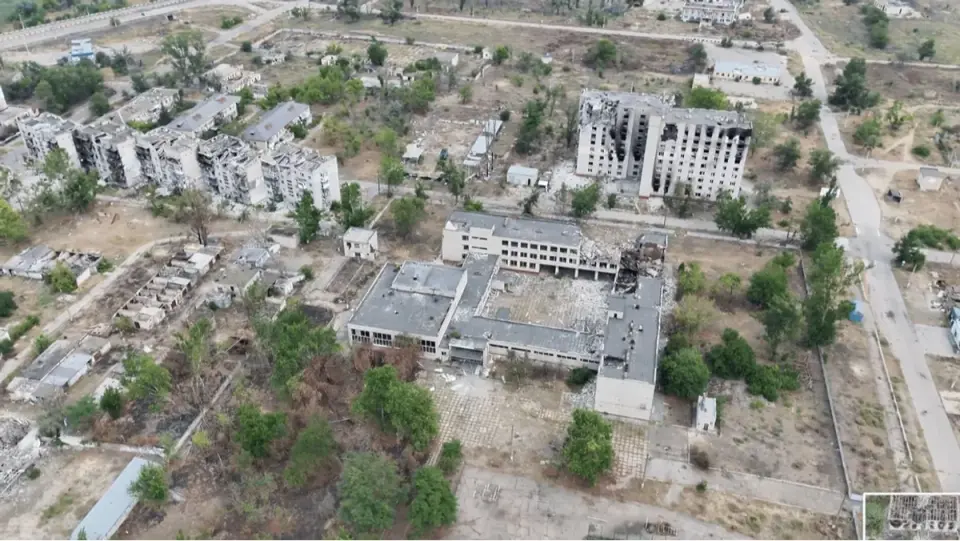
Russian-occupied Oleshky has received no food supplies since late May, leaving approximately 6,000 residents in a state of severe starvation. Ukrainian officials report that some families are now eating dogs, while others survive on garden weeds. The city lacks electricity, gas, and water, and Russian forces have blocked all evacuation routes and humanitarian aid. International religious leaders and Ukrainian diplomats are urging global pressure on Russia to end the blockade, which has been described as a deliberate weaponization of deprivation.
Key points
- The last official food delivery to Oleshky occurred on May 26, 2026; no subsequent attempts have succeeded.
- Tetiana Hasanenko, head of the local military administration, confirmed reports of families eating dogs due to total food shortages.
- Approximately 6,000 people, including 182 to 200 children, remain trapped in the city and surrounding villages.
- Residents are surviving on garden weeds and scraps, with no access to shops, hygiene products, or medical services.
- Russian occupation authorities restrict burials, forcing bodies to pile up in morgues or be consumed by stray dogs.
- Ukraine's Foreign Minister Andriy Sybiha called the situation a 'full blockade' at the UN General Assembly.
Background
Oleshky, in Kherson Oblast, has been under Russian occupation since 2022. The city was severely damaged by the 2023 collapse of the Kakhovka Dam, which flooded buildings and destroyed infrastructure. Prior to the full-scale invasion, the city had a population of 24,000. Recent coverage from late August 2026 already highlighted residents resorting to eating weeds, but the situation has deteriorated further in September, with new reports of extreme measures like eating dogs.
How outlets are covering it
Ukrainska Pravda and BBC report on the immediate, desperate conditions, including the consumption of dogs and the inability to bury the dead. BBC highlights the lack of electricity and gas since 2023 and the danger of the 'Road of Death' to neighboring towns. OSV News focuses on the diplomatic and religious response, noting appeals to Pope Leo XIV and global faith leaders. While Ukraine and the Institute for the Study of War describe the blockade as a deliberate 'humanitarian catastrophe' and 'weaponized deprivation,' the Kremlin admits to supply issues but attributes them to Ukrainian actions. All sources agree on the lack of food since May, but differ in emphasis: Ukrainian outlets focus on the humanitarian horror, while international outlets focus on the diplomatic failure to intervene.
Why it matters
The situation in Oleshky represents a potential war crime and a failure of international humanitarian law. The deliberate starvation of a civilian population, combined with the blocking of aid and evacuation, raises serious concerns about the conduct of the war. The escalation to eating dogs and the inability to bury the dead signals a total collapse of basic human survival conditions, demanding urgent international attention and potential intervention to prevent mass death by starvation.
What to watch
Ukrainian officials and religious leaders are calling for immediate international pressure on Russia to allow humanitarian aid and evacuations. The UN General Assembly is expected to discuss the crisis. Without intervention, the situation is predicted to worsen as winter approaches, making escape via mined fields impossible. The Kremlin claims to be 'working to resolve' supply issues, but no concrete actions have been reported.
- Oleshky has received no food supplies since late May and residents have resorted to eating dogs Українська правда
- 'The blockade is complete': Locals flee occupied south Ukraine as hunger deepens abcnews.com
- Oleshky: Eating garden weeds to survive in Russian-occupied city cut off from food and water BBC
- Pope, other world faith leaders urged to save starving Ukrainian victims of Russian blockade OSV News
- Ukraine: The rapidly deteriorating humanitarian crisis in Oleshky demands attention and action coe.int
Want the full story? Read the original reporting
Read on Українська правда