
Ukraine Hits Saratov Refinery and Oryol Missile Plant in Coordinated Strikes
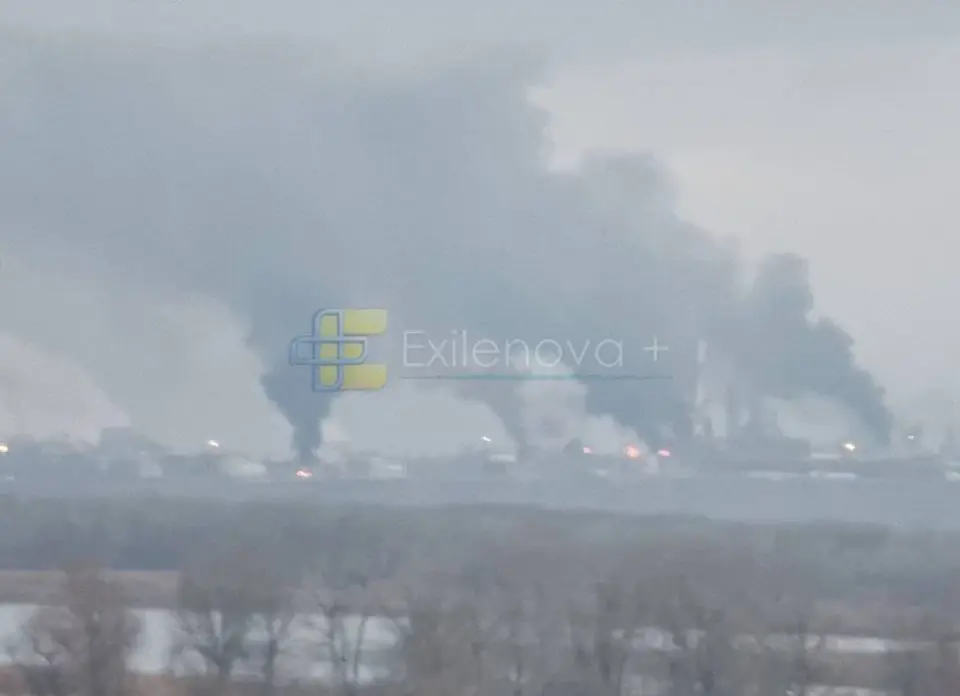
Ukrainian forces launched a coordinated overnight attack on November 6-7, targeting the Saratov Oil Refinery in Russia’s Saratov region and the Proton-Elektroteks defense plant in Oryol. Strike drones hit the refinery, causing fires and civilian casualties, while naval Neptune cruise missiles struck the electronics facility, which produces components for Russian ballistic and cruise missiles. The Oryol plant had already sustained severe damage in a previous strike on October 23. Russian officials confirmed interception of 411 drones overnight but acknowledged damage to industrial sites. Ukrainian military authorities stated that neutralizing these facilities degrades Moscow’s capacity to assemble weapons used against Ukrainian cities. The strikes follow a pattern of targeting Russian energy and defense infrastructure, with Ukrainian Navy officials noting a growing shortage of Russian air defense systems to protect military sites.
Key points
- Ukrainian strike drones attacked the Saratov Oil Refinery, a Rosneft facility with a capacity of 7 million metric tons annually, causing fires and civilian casualties confirmed by regional governor Roman Busargin.
- Ukrainian Navy Neptune cruise missiles struck the Proton-Elektroteks plant in Oryol, confirmed by the General Staff of the Armed Forces of Ukraine to have caused direct hits, secondary detonations, and a structural blaze.
- Proton-Elektroteks manufactures optoelectronic equipment and power semiconductors, including modules for Kh-71 'Kover' cruise missiles and inverter-switches for 9M723 ballistic missiles used by the Iskander-M system.
- The Oryol facility had previously sustained severe damage in a Ukrainian strike on October 23, which caused the collapse of at least one major assembly workshop.
- Russian Ministry of Defense claimed its air defense systems intercepted and destroyed 411 Ukrainian unmanned aerial vehicles overnight across multiple regions.
- Ukrainian Navy spokesperson Dmytro Pletenchuk stated that Russia faces a shortage of air defense systems to protect military facilities, noting that destroyed Pantsir systems leave gaps in coverage.
Background
This operation continues a series of Ukrainian strikes targeting Russian energy and defense infrastructure in late 2026. In October, Ukrainian forces struck the Proton-Elektroteks plant in Oryol, the Kamensk-Shakhtinsky propellant plant in Rostov, and the Redkino Experimental Plant in Tver, which produces fuel for Kh-101 cruise missiles. These attacks aim to degrade Russia’s capacity to produce and supply weapons used against Ukrainian cities. Ukrainian military authorities have framed these strikes as acts of self-defense under Article 51 of the United Nations Charter. The current strikes on Saratov and Oryol follow a pattern of targeting critical industrial sites, with Ukrainian officials emphasizing the strategic importance of neutralizing component manufacturing for Russian standoff weapons.
How outlets are covering it
Kyiv Post and Ukrainska Pravda both confirmed the strikes on the Saratov refinery and Oryol plant, citing Ukrainian military sources. Kyiv Post detailed the operational capacity of the Saratov refinery and the strategic output of Proton-Elektroteks, while Ukrainska Pravda focused on the confirmation of direct hits and fires at the Oryol facility. The Independent reported on the fire at the Oryol plant, noting it came less than a month after a previous strike, and highlighted the use of Neptune missiles. Ukrinform provided context on Russia’s air defense shortages, quoting Ukrainian Navy spokesperson Dmytro Pletenchuk, who stated that destroyed Pantsir systems leave gaps in coverage, making military facilities more vulnerable. Russian officials, including Saratov Region Governor Roman Busargin and Oryol Region Governor Andrei Klychkov, confirmed damage to civilian infrastructure and manufacturing capacities but refrained from officially naming the specific enterprises as impact sites. The Russian Ministry of Defense claimed interception of 411 drones, a figure not corroborated by Ukrainian sources in the provided texts.
Why it matters
The strikes on the Saratov refinery and Oryol defense plant highlight Ukraine’s ongoing strategy to degrade Russia’s energy and military-industrial capacity. The Saratov refinery supplies fuel and lubricants to the Russian armed forces, while Proton-Elektroteks produces critical components for Russian ballistic and cruise missiles. Damage to these facilities could disrupt Russia’s ability to sustain its war effort and supply weapons used against Ukrainian cities. The reported shortage of Russian air defense systems, as noted by Ukrainian Navy officials, suggests that Ukraine’s strikes are increasingly effective in penetrating Russian airspace. These operations also underscore the strategic importance of targeting key industrial sites to weaken Russia’s war machine, potentially influencing the broader conflict dynamics and diplomatic negotiations.
What to watch
Ukrainian forces are likely to continue targeting Russian energy and defense infrastructure, given the confirmed damage to key facilities and the reported shortage of Russian air defense systems. The Russian Ministry of Defense may report further interceptions of Ukrainian drones, but the sustained damage to industrial sites suggests that Ukraine’s strikes are penetrating Russian defenses. Russian officials may face pressure to reinforce air defense coverage around military facilities, but the reported gaps in coverage indicate that this may be challenging. The strikes could also influence diplomatic negotiations, as Ukraine’s ability to degrade Russia’s war capacity may strengthen its position in talks. However, the extent of the damage and the long-term impact on Russia’s military-industrial complex remain to be assessed.
- Drones Strike Saratov Refinery, Missiles Hit Oryol Plant Kyiv Post
- Ukraine strikes factory in Russia’s Oryol with Neptune missiles – General Staff Українська правда
- Russia faces shortage of air defense systems to protect military airfields – Ukrainian Navy Ukrinform
- Ukraine strikes Oryol factory with Neptune missile, reportedly Saratov Oil Refinery in mass attack on Russian regions The Kyiv Independent
- Ukraine-Russia war latest: Huge fire erupts after Kyiv strikes electronics factory with Neptune cruise missile The Independent
Want the full story? Read the original reporting
Read on Kyiv Post