
COP31 Collapses Without Deal as Nations Demand Climate Process Overhaul
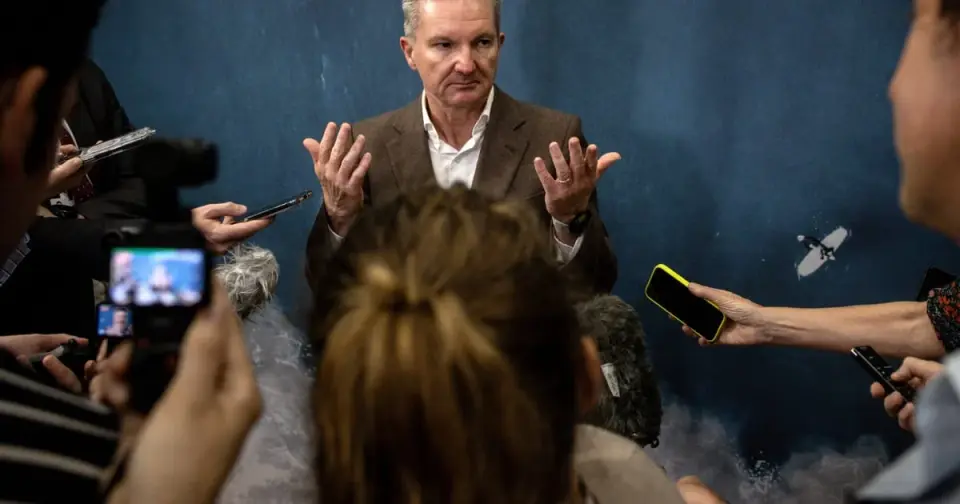
The 31st UN Climate Change Conference (COP31) in Antalya, Turkey, ended on Sunday without a final agreement, marking the first failure to reach a broad political deal since 2009. Oil-producing nations blocked language on phasing down fossil fuels, leading to a breakdown in consensus among nearly 200 countries. The collapse has triggered widespread calls to reform or shut down the annual conference process, with officials citing a loss of trust and the need for a new approach to global climate diplomacy.
Key points
- COP31 concluded without a high-level agreement for the first time since 2009, as negotiators failed to finalize a global pact.
- Oil-rich nations, including Saudi Arabia, blocked language calling for a transition away from fossil fuels, a move that had been agreed upon at COP28 in 2023.
- The failure has led to open rebellion among longtime supporters, with officials from the UK, Panama, and Sierra Leone demanding a reshaping of the consensus-based process.
- Despite the collapse, over 80 countries signed a pledge to electrify 35% of their final energy use by 2035, and Germany, France, and the Netherlands published roadmaps to ditch fossil fuels.
- The US was absent from the talks, with President Donald Trump declaring climate science 'debunked' and celebrating the outcome, while the UN noted the world can no longer avoid 1.5 degrees of warming.
Background
COP31 was co-hosted by Turkey and Australia, with Australian Minister Chris Bowen leading negotiations. The conference followed the 2023 COP28 agreement, which included language on transitioning away from fossil fuels. The UN Environment Programme's Emissions Gap Report, released in October 2026, warned that the world can no longer avoid overshooting 1.5 degrees of warming. The current failure contrasts with the 2015 Paris Agreement, which was signed 11 years prior.
How outlets are covering it
Politico and The Washington Post emphasize the 'backlash' and 'fragmentation' of the UN climate process, with officials calling for a 'red pen' to reform the system. CNN highlights the geopolitical context, noting that fossil fuels are 'winning' due to a joint US-China-Russia statement pledging to ramp up oil production, and that petrostates are blocking action to protect profits. Politico's 'Surge' newsletter argues that while the conference failed, real-world climate action is 'roaring ahead' due to market forces and energy security concerns, with EV sales and renewable energy growing despite the political stalemate. CNN also notes that some 'climate leaders' like the UK and Canada are approving new fossil fuel projects at home, contradicting their international stances.
Why it matters
The failure of COP31 signals a potential shift away from consensus-based international climate diplomacy, as nations may pursue climate goals through trade pacts and bilateral agreements instead. The collapse underscores the growing divide between fossil-fuel-dependent nations and those seeking to phase out hydrocarbons, with implications for global energy security and economic policy.
What to watch
Officials are calling for a 12-month period to reorganize and reform the climate process, with UK envoy Rachel Kyte suggesting that countries need to take a 'red pen' to the current system. The next step may involve a re-evaluation of the annual conference format, potentially leading to its shutdown or significant restructuring. Meanwhile, real-world energy transitions, such as the electrification of transport and expansion of renewables, are expected to continue outside the conference halls.
- ‘COP is a joke’: Backlash grows after failed climate talks POLITICO.eu
- The world is heating up catastrophically yet climate action is in chaos. What happened? CNN
- COP was a bust. So what? Politico
- Pope Leo calls COP31 failure 'troubling,' urges action on climate change Reuters
- Collapse of U.N. summit intensifies calls for new approach to climate talks The Washington Post
Want the full story? Read the original reporting
Read on POLITICO.eu