
Kherson officials report Russia used Oleshky truce to reverse year of Ukrainian gains
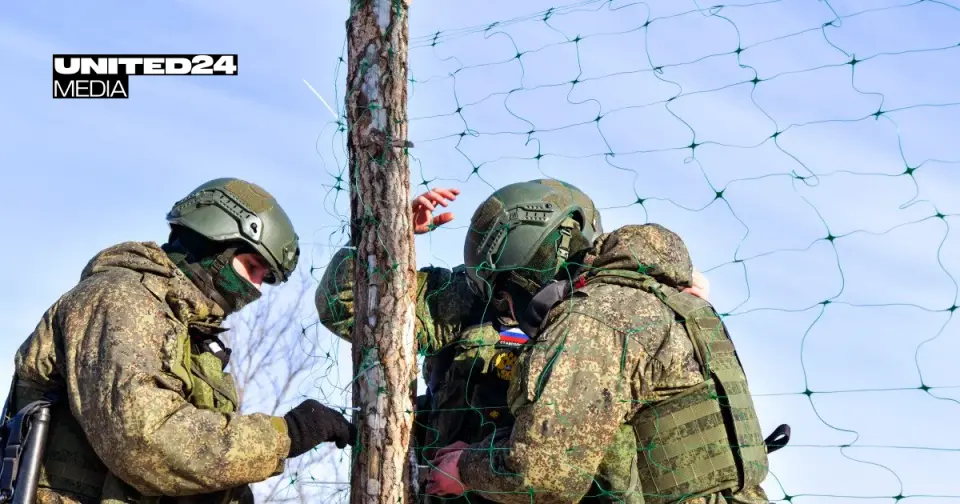
Russian forces exploited a five-day humanitarian ceasefire in the occupied town of Oleshky to reoccupy military positions that Ukrainian troops had spent nearly a year dismantling. Regional authorities report that Moscow used the pause to rotate personnel, deploy additional drones and artillery, and stockpile supplies. While the truce facilitated the evacuation of nearly 800 civilians, aid delivered to the area remains in Russian-controlled warehouses and has not reached the approximately 1,300 residents who stayed behind. Ukrainian officials warn that Russian drone attacks on Kherson, currently averaging 700 to 800 daily, are expected to intensify following the end of the ceasefire.
Key points
- Oleksandr Prokudin, head of the Kherson Regional Military Administration, stated that Russian troops restored nearly all positions Ukrainian forces had eliminated over the past year during the October 27 to November 1 ceasefire.
- Russian units used the truce to rotate personnel, rebuild destroyed infrastructure, and bring in additional weapons, including BM-21 Grad rocket launchers, artillery, and drones, while searching for basements to house drone operators.
- The ceasefire facilitated the evacuation of nearly 800 people, according to US First Lady Melania Trump, but humanitarian aid delivered during the mission remains stored in Russian-controlled warehouses and has not reached the 1,300 civilians remaining in Oleshky.
- Prokudin warned that Russian drone attacks on Kherson and riverside communities, currently numbering 700 to 800 per day, are expected to increase, particularly around the November 11 anniversary of Kherson’s liberation.
- Ukrainian forces previously thwarted Russian attempts to cross the Dnipro River using boats and jet skis, killing or capturing the attackers, while the General Staff reported that Russian forces used the pause to reinforce positions and replenish ammunition.
Background
The Oleshky ceasefire was the longest local truce in the Kherson region since the 2022 invasion, mediated by US First Lady Melania Trump. It followed a period of intensified Russian long-range strikes on Ukrainian cities and a broader humanitarian crisis in the occupied left bank of the Dnipro River. Previous archive coverage noted that the ceasefire was part of a broader diplomatic effort, including peace talks in Abu Dhabi and a White House summit, though Moscow rejected extending the truce, citing military regrouping as standard practice.
How outlets are covering it
Ukrainian regional authorities and the General Staff emphasize that Russia exploited the ceasefire to reverse Ukrainian military gains and prepare for further operations, with Prokudin noting that aid has not reached local residents. In contrast, Ukrainian ombudsman Dmytro Lubinets stated that no violations were recorded by either side, claiming that Russian military equipment spotted during the truce was used exclusively for mine clearance. ACLED analysis suggests that Russia selectively uses humanitarian grounds to improve battlefield positions and gain US support while continuing aerial campaigns elsewhere, noting that such arrangements are unlikely to lead to substantial reductions in violence. Euromaidan Press highlights the discrepancy between the official claim of no violations and reports of ammunition deliveries, while Ukrainska Pravda focuses on the specific military logistics, such as the towing of Grad launchers and the search for basements, that enabled the Russian reoccupation.
Why it matters
The incident highlights the fragility of humanitarian ceasefires in the Ukraine-Russia conflict, as they can be exploited by one side to consolidate military advantages while the other side faces continued civilian suffering. The failure to distribute aid to the 1,300 remaining civilians in Oleshky exacerbates a humanitarian crisis in the occupied left bank, where 34 villages are deemed critical and lack gas, power, and water. The anticipated increase in drone attacks on Kherson, particularly around the November 11 anniversary, underscores the ongoing risk to civilian infrastructure and the limited effectiveness of short-term truces in reducing violence.
What to watch
Ukrainian authorities expect Russian drone attacks on Kherson and riverside communities to intensify, with Prokudin specifically warning of heightened activity around the November 11 anniversary of Kherson’s liberation. The two countries’ ombudsmen have agreed to work toward regular missions and are discussing aid deliveries at least monthly, though any future truce may carry the same risk of military exploitation. The situation in the 34 critical villages on the occupied left bank is expected to worsen with the onset of winter, as residents face shortages of gas, power, water, and food.
- Russia Exploits Five-Day Ceasefire to Reverse Months of Ukrainian Gains in Kherson UNITED24 Media
- What Russia's military buildup during Oleshky ceasefire could mean for Kherson Oblast The Kyiv Independent
- Russia retook positions Ukraine spent nearly a year clearing during Oleshky truce, Kherson regional head says Euromaidan Press
- During ceasefire in Oleshky, Russians returned to positions that Ukrainian forces spent nearly a year clearing Українська правда
- Ukraine war situation update | 24 – 30 October 2026 ACLED
Want the full story? Read the original reporting
Read on UNITED24 Media