
Russian Offensive Stalls as Small Infiltration Groups and Glide Bomb Strikes Fail to Break Ukrainian Defenses
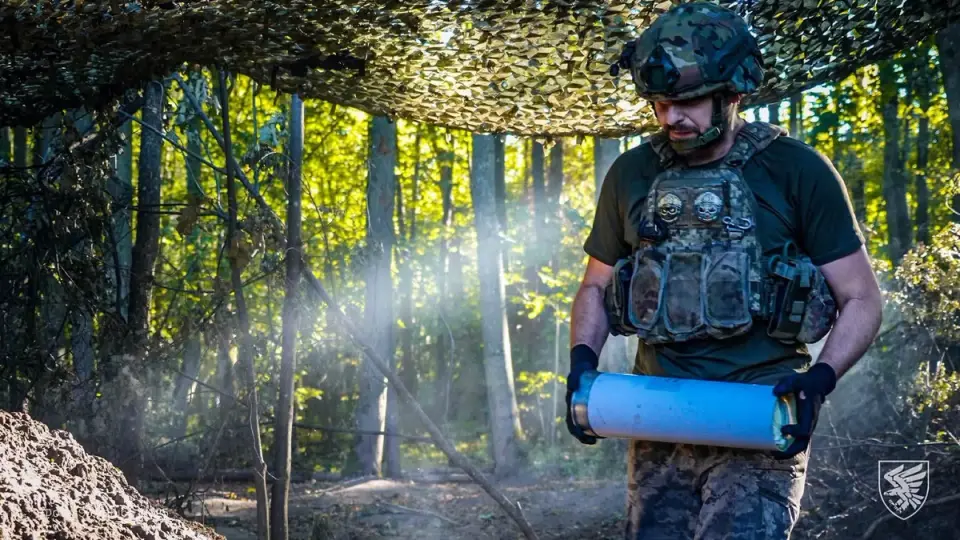
Russian forces launched attacks across multiple sectors on August 15-16 but failed to secure confirmed advances, according to the Institute for the Study of War. Moscow increasingly relies on small infiltration groups and glide bomb strikes, while Ukrainian forces maintain defensive positions and counterattack logistics hubs.
Key points
- No confirmed Russian advances were recorded across Sumy, Kharkiv, Kupyansk, and other sectors on August 15-16.
- Russian troops use small groups of one to three soldiers to infiltrate Ukrainian positions, exploiting tall grass for cover.
- Russian claims of capturing Kudiivka and Vilcha were disputed by independent sources and Russian insiders.
- Moscow intensifies glide bomb and drone strikes on Slovyansk and Dobropillya to prepare for future offensives.
- Ukrainian forces continue striking Russian logistics, including ammunition warehouses and a Bastion missile system in Crimea.
Background
This follows a broader pattern of stalled Russian advances in 2026, where Moscow has struggled to achieve operational gains despite high casualty rates. Previous coverage noted that Ukraine's mid-range drones have increasingly targeted Russian rear-area logistics, disrupting supply lines and pressuring Moscow's supply chain.
How outlets are covering it
The Institute for the Study of War (ISW) and Kyiv Post emphasize that Russian offensive operations have failed to yield confirmed advances, highlighting the use of small infiltration groups and disputed territorial claims. UA.NEWS corroborates the ISW assessment, noting that Ukrainian forces have halted Russian advances in key sectors. All sources agree that Russian claims of capturing settlements like Kudiivka and Vilcha are not independently verified, with some Russian sources describing these areas as contested 'gray zones' rather than secure strongholds.
Why it matters
The continued use of small infiltration groups and glide bomb strikes indicates a shift in Russian tactics as large-scale offensives stall. This approach aims to probe Ukrainian defenses and prepare for future attacks, but its lack of confirmed success suggests that Ukrainian defensive lines remain resilient. The intensification of strikes on logistics and infrastructure highlights the growing importance of supply chain disruption in the conflict.
What to watch
Russian forces are likely to continue using small infiltration groups and glide bomb strikes to probe Ukrainian defenses and prepare for future offensives. Ukrainian forces will maintain their defensive positions and continue counterattacks on Russian logistics and infrastructure. The outcome of these tactics will depend on the ability of both sides to adapt to the evolving battlefield conditions.
- Russia Turns to 1-3-Man Infiltration Groups as Offensive Stalls Across Multiple Fronts Kyiv Post
- Russian Offensive Campaign Assessment, August 12, 2026 Institute for the Study of War
- The Russia-Ukraine War Report Card, Aug. 12, 2026 Russia Matters
- Russian Offensive Campaign Assessment, August 15, 2026 Critical Threats
- Ukrainian defense forces are halting the Russian army's advance, according to the ISW UA.NEWS
Want the full story? Read the original reporting
Read on Kyiv Post