
Ukraine Deploys Grenade-Launching Robots in Vivaldi Offensive
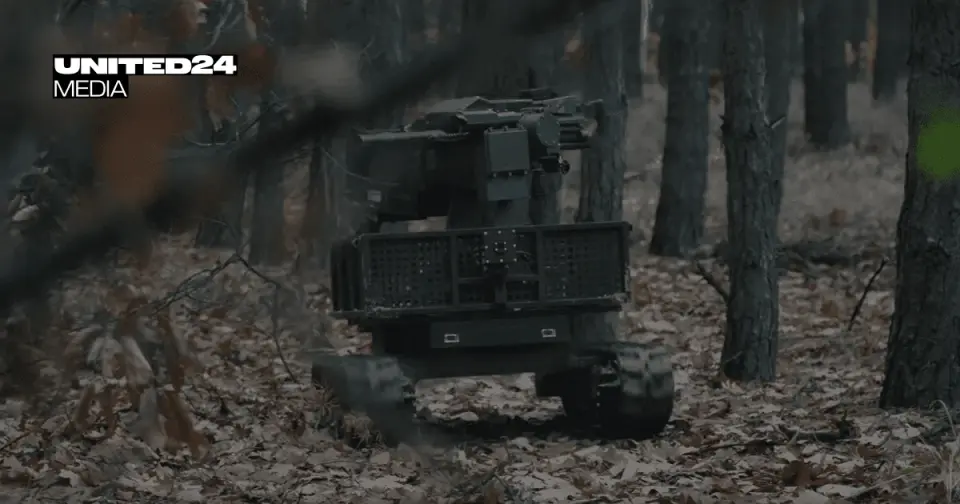
Ukrainian forces have integrated ground robots equipped with grenade launchers into their assault tactics during Operation Vivaldi. These unmanned vehicles, controlled remotely from kilometers behind the front line, strike Russian positions and enter shelters to clear areas without exposing infantry. This development complements earlier robotic achievements in the same operation, including airborne deployments and rapid mine clearance, which have helped reclaim significant territory in Donetsk Oblast.
Key points
- The Third Army Corps utilized ground robots fitted with Bulgarian-made Bullspike PG-22 grenade launchers to attack Russian positions during Operation Vivaldi.
- Operators controlled the vehicles from protected locations tens of kilometers away, allowing robots to enter enemy shelters and detonate without risking human lives.
- This tactic is part of a broader robotic strategy in the operation, which includes aerial drones dropping explosive ground robots and systems clearing mines in two nights.
- The operation has reclaimed approximately 50 square kilometers of territory near Lyman, with some reports citing up to 96 square miles in total gains.
- Ukrainian forces claim to have neutralized 2,000 Russian troops during the offensive, aided by electronic warfare and fuel supply disruptions.
Background
Operation Vivaldi, launched in May 2026, has been a significant counteroffensive in the Donetsk region. Previous coverage highlighted the use of heavy bomber drones to air-drop ground robots behind enemy lines and the rapid clearance of minefields, which took two nights for robots to complete a task that would take humans two weeks. The current development represents a further evolution in robotic combat roles, moving from logistics and demining to direct assault and breaching.
How outlets are covering it
United24 Media emphasizes the novelty of using grenade-launching robots for direct assault, noting that no similar tactics have been used in the war's history. Business Insider focuses on the efficiency of robotic mine-laying, highlighting how drones can deploy mines in two nights compared to two weeks for humans. Ars Technica provides a broader strategic view, linking robotic operations to the defeat of a Russian pincer movement and the reclamation of territory, while also noting Russian adaptations and drone warfare. Mezha highlights the development of 'mothership' systems by the 93rd Brigade, where heavy drones deploy combat robots, a concept the US explored for decades but never deployed in combat. The outlets differ in their emphasis: United24 and Mezha focus on specific tactical innovations, while Business Insider and Ars Technica discuss the operational impact and strategic implications.
Why it matters
The use of grenade-launching robots marks a shift in Ukrainian tactics, allowing for direct assaults without exposing infantry to danger. This reduces casualties and increases the effectiveness of offensive operations. The integration of various robotic systems, from mine clearance to airborne deployment, demonstrates a growing reliance on unmanned technology to overcome manpower disadvantages and achieve strategic objectives on the battlefield.
What to watch
Ukrainian forces are likely to continue expanding the use of ground robots in combat roles, including direct assault and breaching. The development of 'mothership' systems and the transition from prototype to mass production of robotic systems suggest a move toward more sophisticated and widespread robotic warfare. Russian forces may adapt their tactics and technologies in response, potentially leading to further innovations in drone and robot warfare.
- Ukraine Sends Grenade-Launcher Robots Into Russian Positions Instead of Infantry UNITED24 Media
- Drones only need 2 nights to lay a minefield that would take troops 2 weeks: Ukrainian corps Business Insider
- Ukraine’s 93rd Brigade Develops Heavy Drone System to Deploy Combat Robot Межа. Новини України.
- Robots make combat airdrops, clear mines as Ukraine defeats Russian pincer Ars Technica
- UGVs With Grenade Launchers Attack Russian Positions During Operation Vivaldi Мілітарний
Want the full story? Read the original reporting
Read on UNITED24 Media