
Qatar Tanker Attack and Hormuz Closure Threats Drive Oil Prices Above $100
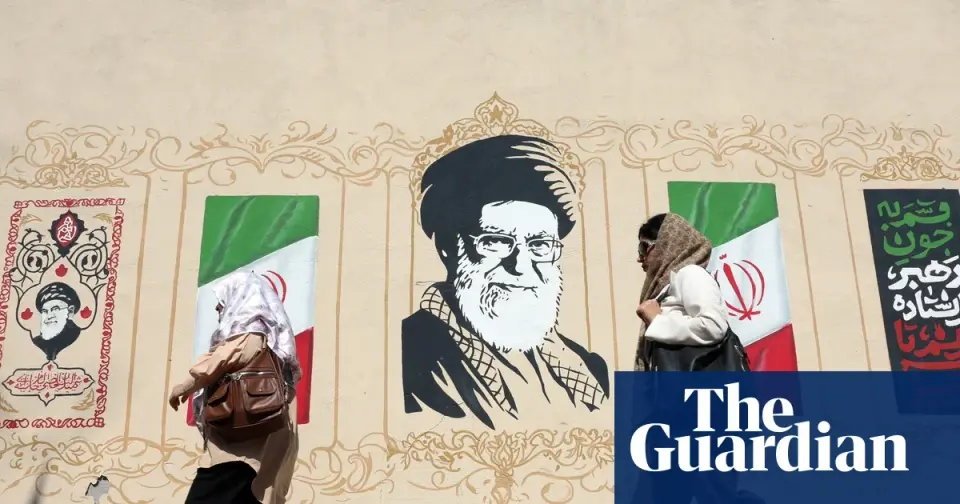
A tanker was struck by multiple projectiles off the north coast of Qatar, causing unknown casualties, as Iran declared it would close specific transit routes in the Strait of Hormuz. This incident coincides with a surge in attacks on vessels in the strait, reaching the highest weekly level since the US-Israel war on Iran began in February 2026. While Iran claims full control of the waterway, US officials assert that oil flows have nearly returned to pre-war levels, supported by a significant US military presence. Brent crude prices have exceeded $100 per barrel amid these tensions, despite reports that Middle East crude exports have reached or surpassed pre-war averages. The US has announced it will not resume military strikes on Iran before the midterm elections, maintaining a blockade on Iranian ports while allowing oil to flow through the strait.
Key points
- UK Maritime Trade Operations (UKMTO) reported a tanker was hit by multiple projectiles 94 kilometers north of Madinat ash Shamal, Qatar, with unknown casualties.
- Iran’s Revolutionary Guards declared that transit routes in the Strait of Hormuz deemed illegal by Tehran would be closed, specifically targeting a southern pathway along Oman’s coast.
- Attacks on oil, LNG, and LPG tankers in the strait reached at least 12 in the week ending October 5, the highest weekly level since the war began in February 2026.
- Brent crude prices topped $100 per barrel on Wednesday, driven by supply concerns and mixed messaging regarding the security of the strait.
- US Secretary of State Marco Rubio stated that Iran has lost complete control of the strait, with oil flows nearly matching pre-war levels, contradicting Iranian claims of a blockade.
- President Donald Trump announced he would not attack Iran before the midterm elections, despite reports of considering resumed military operations, while maintaining a blockade on Iranian ports.
Background
The US and Israel launched a war on Iran on February 28, 2026, leading to a prolonged maritime confrontation. Iran effectively closed the Strait of Hormuz, while the US maintained a blockade on Iranian ports. Previous incidents in September included direct strikes between US and Iranian forces, with the US bombing Iranian targets in retaliation for attacks on ships. The conflict has disrupted global energy supplies, with the strait handling about 20% of global crude and LNG supplies before the war. Recent months have seen a fragile rebound in oil exports, supported by US military escorts and ship-to-ship transfers, but at high costs to crew safety and shipping rates.
How outlets are covering it
The Guardian and Al Jazeera report on the recent tanker attack off Qatar and the surge in attacks in the Strait of Hormuz, noting the highest weekly level since the war began. They highlight the contradiction between Iran’s claims of closing the strait and the reality of oil flows. CNBC emphasizes the vulnerability of the rebounding oil exports, noting that the current flow depends on a major US military commitment and is unsustainable without a negotiated settlement. CNBC points out that while volumes are increasing, they are doing so at high costs to crew safety and shipping rates, with Brent prices remaining near $100 per barrel. The US and Iran present conflicting narratives on the status of the strait, with the US claiming Iran has lost control and oil flows are near pre-war levels, while Iran insists it has full control and is closing specific routes.
Why it matters
The ongoing conflict and attacks on tankers in the Strait of Hormuz threaten global energy supplies and push oil prices higher, impacting the global economy. The US military commitment to protect shipping routes is costly and unsustainable, highlighting the need for a diplomatic settlement. The mixed messaging and continued attacks create uncertainty in the oil market, with prices remaining high despite increased flows. The situation also puts pressure on the US president, who must balance military options with domestic concerns over high gas prices and the upcoming midterm elections.
What to watch
The US is expected to maintain its blockade on Iranian ports and military presence in the region, with a third aircraft carrier potentially arriving by late October. Iran may continue to assert control over the strait and close additional routes, leading to further attacks on vessels. Oil prices may remain volatile, hovering near $100 per barrel, as the market assesses the sustainability of current flows. Diplomatic efforts may intensify as the US and Iran face pressure to resolve the conflict, with the US president having ruled out military action before the midterm elections.
- Tanker attacked off Qatar as Iran claims route transporting oil through strait of Hormuz will be ‘closed’ The Guardian
- Attacks on tankers in Hormuz hit highest of any week since start of Iran war, sources say Reuters
- Tanker hit by multiple projectiles off north coast of Qatar, UKMTO says Al Jazeera
- No Lights, No Radio: Getting Oil Through Hormuz Is a Risky Job Bloomberg.com
- Rebounding oil exports through Strait of Hormuz are vulnerable to stepped-up Iranian tanker attacks CNBC
Want the full story? Read the original reporting
Read on The Guardian