
Ukraine’s Drone Campaign Disrupts Wildberries, Striking Russia’s Economy and Military Supply Chain
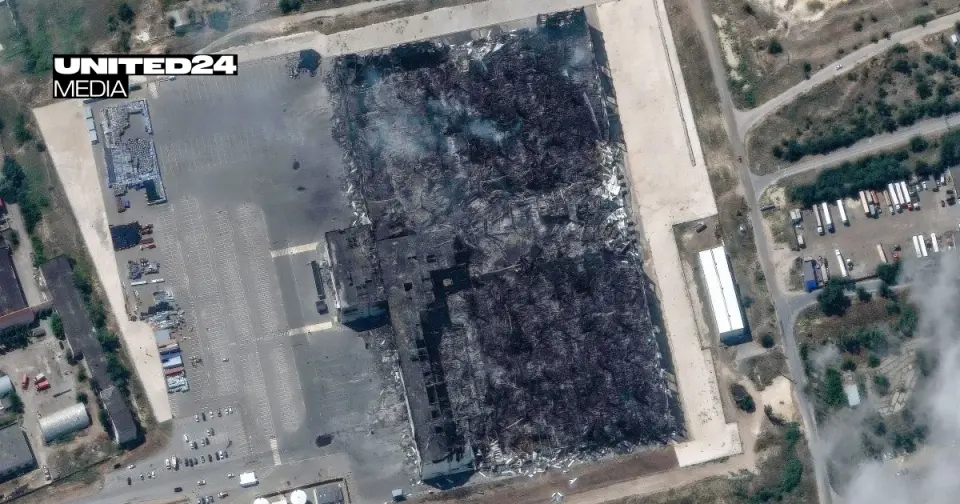
Since mid-July 2026, Ukrainian drones have systematically targeted Wildberries, Russia’s largest online marketplace, destroying over 25% of its logistics network. The strikes aim to disrupt military supply chains and inflict systemic economic damage, causing significant inflation and threatening the stability of Russian banks that hold Wildberries' debt.
Key points
- Ukraine launched 'Operation 40 Days of Pressure' on July 18, 2026, targeting Wildberries warehouses to disrupt military equipment sales and economic stability.
- Strikes have damaged at least 14 facilities covering 1.5 million square meters, with total affected area reaching 1.8 million square meters by mid-August.
- Wildberries accounts for roughly 3% of Russia’s GDP and 10% of retail trade; its collapse could trigger a banking crisis due to heavy debt to state-controlled banks like Sberbank and VTB.
- Sales of military-related items, including drones and body armor, dropped significantly after strikes, with orders falling by up to 39% in drone accessories.
- The Kremlin denies Wildberries supplies the military, but Ukraine argues the marketplace is a critical logistical node for dual-use goods and a lever to expose the war’s economic cost to civilians.
Background
This campaign follows Ukraine’s earlier strikes on Russian oil refineries, which contributed to a rise in inflation. Previous archive reports from August 2026 indicated that about 62% of Wildberries' largest hubs had been disabled, with specific incidents in Voronezh and Tver causing fires and casualties. The current strikes represent an escalation in targeting civilian infrastructure to achieve strategic economic and military objectives.
How outlets are covering it
United24 Media emphasizes the direct link between the strikes and the collapse of military equipment sales, citing internal data showing a 39% drop in drone accessory orders. Al Jazeera highlights the social impact, noting that while the Kremlin calls the strikes 'terrorism,' they force Russians to confront the war's economic reality, though some analysts argue military supplies will simply shift to other platforms. ABC News focuses on the financial contagion risk, warning that Wildberries' massive debt to state banks could destabilize the Russian banking sector if the company fails. Ukrainian officials frame the attacks as 'long-range sanctions' to punish civilian comfort, while Russian officials condemn them as attacks on civilian targets.
Why it matters
The strikes demonstrate a shift in Ukraine’s strategy from targeting military assets to dismantling the economic infrastructure that sustains the war. By hitting Wildberries, Kyiv aims to increase inflation, reduce consumer spending, and potentially trigger a financial crisis in Russia’s banking sector, thereby weakening the Kremlin’s ability to fund the conflict. This approach seeks to erode public support for the war by making its economic costs visible to ordinary Russians.
What to watch
Ukraine is expected to continue striking Wildberries facilities until the company cannot recover quickly, according to drone commander Major Robert Brovdi. The Kremlin may introduce tax breaks or subsidies to support Wildberries and its sellers, but analysts doubt this will prevent broader economic instability. The campaign may also accelerate a shift in Russian retail logistics toward decentralized models, reducing efficiency but increasing resilience against future strikes.
- Ukraine’s Drone Strikes on Wildberries Sent Russia’s Military Gear Sales Plunging UNITED24 Media
- Wildberries under fire: Why is Ukraine targeting a Russian retail giant? Al Jazeera
- 'People are losing everything': Ukraine's drones could crash Russian banks ABC News & Headlines – Australian Broadcasting Corporation
- The Wild History of the Russian Online Retail Giant Being Bombarded by Ukraine WSJ
- Ad Spending on Wildberries Nosedives After Ukrainian Drone Attacks, Kommersant Reports The Moscow Times
Want the full story? Read the original reporting
Read on UNITED24 Media