
Ukraine’s 54-Drone Strike Ignites Fire at Russia’s Key Baltic Oil Hub Ust-Luga
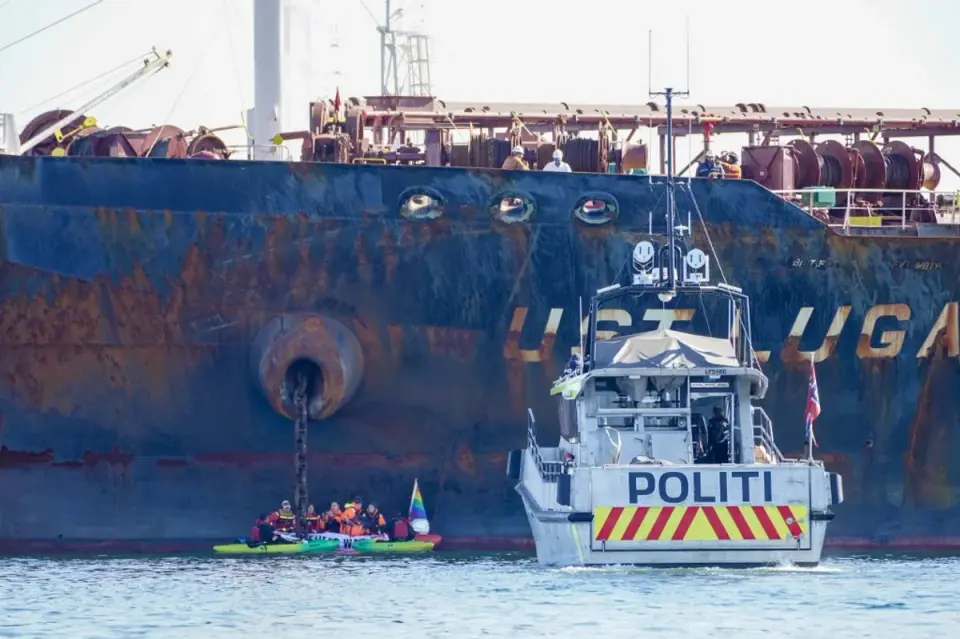
Ukraine launched a massive drone assault on Russia’s Ust-Luga port on August 14, causing a fire and disrupting operations at a critical Baltic oil export hub. This marks the sixth strike on the facility this year, part of Kyiv’s broader campaign to degrade Moscow’s energy revenue.
Key points
- Ukraine deployed 54 drones against Ust-Luga overnight on August 14, according to Kyiv Post.
- Leningrad Oblast Governor Alexander Drozdenko confirmed a fire at the port and reported that 51 drones were shot down by air defenses.
- The attack lasted approximately four hours, ending at 6:48 a.m. Moscow time.
- Ust-Luga is Russia’s largest Baltic port, handling roughly 700,000 barrels of oil per day in 2025.
- The strike is the sixth attack on Ust-Luga in 2026, following intense waves in March and April.
- The attack coincides with recent strikes on the Novorossiysk terminal and the Orsk refinery.
Background
Ust-Luga has become a primary target in Ukraine’s deep-strike campaign against Russian energy infrastructure. In March 2026, the port faced near-continuous attacks, with five strikes costing Russian exporters an estimated $970 million in lost revenue in a single week. This latest incident follows a pattern of escalating attacks on refineries and terminals, including a July strike on the Ilsky refinery and an August strike on the Orsk refinery, which halted processing for months. These actions aim to reduce Moscow’s oil revenues, which fund its war effort, amid a broader decline in Russian refinery throughput to 24-year lows.
How outlets are covering it
Kyiv Post emphasizes the scale of the August 14 attack, noting 54 drones were used and that the strike is the sixth of the year, highlighting the sustained pressure on Ust-Luga. Ukrainian Pravda and The Kyiv Independent focus on the immediate aftermath, citing Governor Drozdenko’s claim that 51 drones were intercepted by air defenses, though they note the fire and damage to port infrastructure. The Kyiv Independent frames the event within the context of a wider campaign that has caused a domestic fuel crisis in Russia, including export bans and price hikes. While all sources agree on the fire and damage, they differ in emphasis: Kyiv Post highlights the historical pattern of attacks, while the others focus on the immediate defensive response and the broader economic impact on Russia’s energy sector.
Why it matters
The strike on Ust-Luga directly impacts Russia’s ability to export oil via the Baltic Sea, a route critical for bypassing sanctions and maintaining revenue. With Ust-Luga and Primorsk accounting for 40% of Russia’s seaborne oil exports, repeated disruptions threaten to lower Moscow’s income and exacerbate domestic fuel shortages. This aligns with Ukraine’s strategy to degrade Russia’s war-funding capacity through targeted attacks on energy infrastructure.
What to watch
Emergency crews are working to extinguish the fire at Ust-Luga, and operations may remain disrupted for days. Russia may attempt to reroute exports through other Baltic ports like Primorsk, but limited pipeline and tanker capacity could hinder compensation. Ukraine is expected to continue targeting oil infrastructure, including refineries and terminals, to pressure Russia economically and militarily.
- Ust-Luga Ablaze Again as 54 Ukrainian Drones Hit Russia’s Key Baltic Oil Port Kyiv Post
- Russia’s Biggest Baltic Port Caught Fire After Drone Attack Bloomberg.com
- Drones attack Moscow and Ust-Luga: fire breaks out at port Українська правда
- Port infrastructure damaged in Ukrainian drone strike on Russia's Leningrad Oblast, governor says The Kyiv Independent
- Drone Attacks Spark Fire at Russian Energy Export Port of Ust-Luga, Governor Says U.S. News & World Report
Want the full story? Read the original reporting
Read on Kyiv Post