
Ukraine’s Largest Moscow Drone Barrage Targets Key Oil Depot, Kills Two
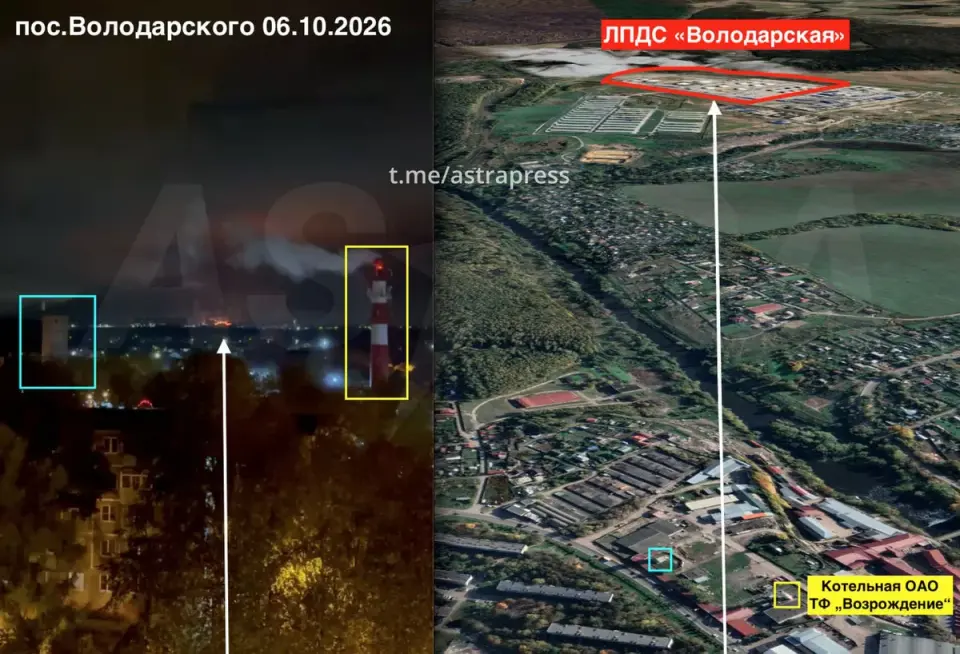
Ukraine launched its largest drone attack on Moscow in two years, sending 650 drones toward the capital and surrounding region overnight on October 5-6. The strike targeted the Volodarskaya Line Production and Dispatch Station, a major oil depot supplying fuel to Moscow’s three main airports. Russian officials reported two deaths, nine injuries, and damage to 47 houses, while air defenses intercepted the vast majority of drones. This follows a series of recent Ukrainian strikes on Russian oil infrastructure, including a hit on the Samara hub earlier in October.
Key points
- Moscow Mayor Sergey Sobyanin confirmed 650 drones were launched toward the region, with most destroyed by air defenses.
- The primary target was the Volodarskaya Line Production and Dispatch Station, described by Russian outlet Astra as the largest oil depot in the Moscow region, handling up to 3 million metric tons of fuel annually.
- Russian authorities reported two fatalities (ages 71 and 20) and nine injuries, with 47 houses damaged across seven municipalities.
- Air traffic at Moscow’s Vnukovo, Domodedovo, and Sheremetyevo airports was disrupted due to the attack and fuel supply concerns.
- This strike follows a September 20 attack on the Samara oil hub, Russia’s largest, and four other refineries, part of a broader Ukrainian campaign against Russian energy infrastructure.
Background
Ukraine has intensified strikes on Russian oil and energy infrastructure since late 2025, targeting refineries and storage hubs to disrupt Moscow’s revenue and fuel supply. Previous major attacks include a September 2026 barrage that damaged the Moscow Oil Refinery and a September 13 strike on facilities in Tatarstan and Krasnodar Krai. These actions have drawn international attention, including criticism from US President Donald Trump, who linked Ukrainian strikes to elevated global gasoline prices. Russia has responded by increasing its own strikes on Ukrainian energy grids and civilian infrastructure, particularly ahead of winter.
How outlets are covering it
Kyiv Post and France 24 both confirm the scale of the attack (650 drones) and the targeting of the Volodarskaya oil depot, but differ slightly on casualty reports: Kyiv Post cites one fatality, while France 24 reports two deaths. The Independent’s secondary source focuses on a separate Russian missile strike on Kyiv, not the Moscow drone attack, indicating divergent editorial priorities. Russian officials, as reported by Kyiv Post and France 24, emphasize the success of air defenses in intercepting most drones, while Ukrainian sources highlight the strategic impact on Russia’s fuel supply chain. Trump’s comments, cited by Kyiv Post, frame the strikes as a driver of global fuel prices, contrasting with Russian officials’ focus on security measures for refineries.
Why it matters
The attack underscores Ukraine’s growing capability to strike deep inside Russia, targeting critical energy infrastructure that sustains both military operations and civilian fuel supply. Disruptions to Moscow’s oil depots could impact aviation fuel availability and exacerbate global energy market volatility. The escalation also signals a shift in the conflict’s dynamics, with both sides increasingly targeting infrastructure, potentially prolonging the war and complicating diplomatic efforts. For Russia, the strikes threaten revenue from oil exports and domestic fuel stability; for Ukraine, they aim to degrade Russian war-fighting capacity and international support.
What to watch
Russia is expected to strengthen security around oil refineries and storage facilities, as indicated by Deputy PM Alexander Novak. Ukraine may continue targeting energy infrastructure, particularly ahead of winter, to pressure Moscow. International reactions, including potential US sanctions or diplomatic pressure, could follow, especially given Trump’s public criticism of Ukrainian strikes. Air traffic disruptions in Moscow may persist as authorities assess damage to fuel supply chains. The conflict’s escalation could also influence global energy markets and fuel prices, with ripple effects in Europe and beyond.
- Ukraine Targets Major Russian Oil Hub During Massive Drone Attack on Moscow Region Kyiv Post
- Largest oil facility in Moscow region erupts in flames following massive Ukrainian drone attack The Kyiv Independent
- Mayor: Ukraine attacks Moscow region with 650 drones Yahoo
- Ukraine-Russia war live: Germany at risk of violent conflict with Putin as war enters ‘new, more dangerous’ phase The Independent
- Ukraine strikes Moscow with massive drone attack, Russian officials say France 24
Want the full story? Read the original reporting
Read on Kyiv Post