
Ukrainian Border Guards Down Russia's Fastest Geran-5 Drone Amid Escalating Air War
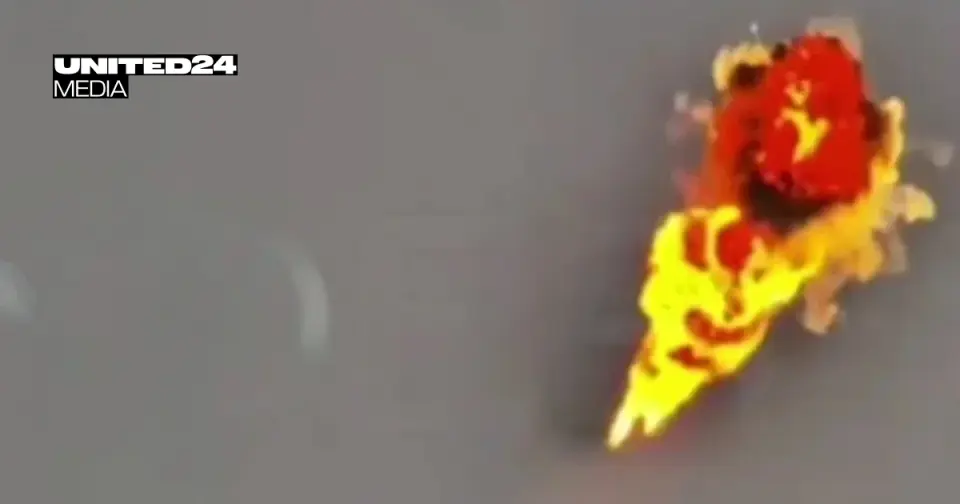
Ukrainian border guards shot down a Russian Geran-5 jet-powered strike drone on September 23, marking a significant interception of Moscow's fastest attack UAV. The drone, which flies at speeds up to 600 km/h, poses a greater challenge to Ukrainian air defenses than older propeller-driven models, with interception rates dropping to approximately 60%. This event highlights the escalating technological race in the conflict, as Russia scales up production of jet-powered drones while Ukraine develops new countermeasures and interceptor systems to protect its cities and infrastructure.
Key points
- Ukrainian border guards from the 105th Separate Border Detachment shot down a Russian Geran-5 jet-powered strike drone on September 23, as confirmed by the State Border Guard Service.
- The Geran-5 is a fast, jet-powered drone with a range of up to 950 km and a warhead of about 90 kg, making it significantly harder to intercept than older propeller-driven Shahed drones.
- Ukrainian interception rates for jet-powered drones have dropped to around 60%, compared to over 90% for conventional Shaheds, due to the increased speed and altitude of the new models.
- Russia has rapidly scaled up production of jet-powered drones, reaching approximately 3,000 units per month by August 2026, and is expected to produce 36,000 jet Shaheds in 2027.
- Ukraine is developing new countermeasures, including the Sting S interceptor drone, to address the growing threat of fast, jet-powered drones and to reduce the economic cost of interception.
Background
In early 2026, Russia began deploying the Geran-5 jet-powered drone against Ukraine, marking a shift from propeller-driven Shahed drones to faster, harder-to-intercept platforms. By August 2026, Russia had scaled up production to approximately 3,000 units per month, significantly increasing the frequency and intensity of drone attacks on Ukrainian cities and infrastructure. Ukraine has been developing new interceptor systems, such as the Sting S, to counter these fast drones, as interception rates for jet-powered models have dropped to around 60%, compared to over 90% for older propeller-driven drones.
How outlets are covering it
UNITED24 Media and ArmyInform emphasize the successful interception of the Geran-5 by Ukrainian border guards, highlighting the drone's speed and the challenges it poses to air defenses. The Guardian provides a broader context of the escalating drone war, noting Russia's rapid scaling of jet-powered drone production and the impact on Ukrainian cities, while also highlighting Ukraine's development of new interceptor systems. Air & Space Forces Magazine focuses on the technological gap between Ukraine's current F-16s and the advanced capabilities needed to counter modern threats, while Kyiv Post discusses the economic and strategic implications of the drone war, emphasizing the need for cost-effective countermeasures and the role of AI in future warfare.
Why it matters
The interception of the Geran-5 highlights the evolving nature of the drone war, as Russia's shift to faster, jet-powered drones poses a significant challenge to Ukrainian air defenses. The drop in interception rates for jet-powered drones underscores the need for Ukraine to develop new countermeasures and interceptor systems to protect its cities and infrastructure. This technological race has broader implications for the conflict, as Russia's ability to scale up production of cheap, fast drones could tilt the balance of power in its favor, while Ukraine's development of new countermeasures is crucial for maintaining its defensive capabilities and reducing the economic cost of the war.
What to watch
Ukraine is expected to continue developing and deploying new interceptor systems, such as the Sting S, to counter Russia's jet-powered drones. Russia is likely to further scale up production of jet-powered drones, with projections of 36,000 units in 2027, and may introduce new tactics, such as 'mother drones' carrying FPV drones, to enhance the effectiveness of its attacks. The conflict is expected to see a continued technological race, with both sides developing new weapons and countermeasures, and the role of AI in autonomous systems becoming increasingly important.
- Russia’s Fast Geran-5 Drone “Exploded Like a Comet” After Ukrainian Intercept, Video UNITED24 Media
- The long-range drone war: Ukraine and Russia scramble for supremacy in the skies The Guardian
- Jet-powered Russian drones strain Ukraine's air defences Reuters
- What F-16 Gun Kills Tell Us About the Future of Ukraine’s Air Force Air & Space Forces Magazine
- OPINION: Russian Drones Over Kyiv – War of Speed and New Deep Strike Tactics kyivpost.com
Want the full story? Read the original reporting
Read on UNITED24 Media