Tag

Ukraine Air Defense

All articles tagged with #ukraine air defense

Ukraine’s Jet-Drone Interception Rates Rise to 74% Despite Starlink Disruptions

Ukraine’s Jet-Drone Interception Rates Rise to 74% Despite Starlink Disruptions

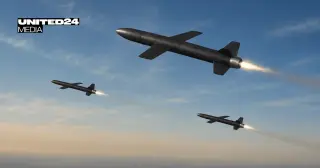
Ukraine’s ability to intercept Russian jet-powered attack drones has improved significantly, rising from approximately 60% in early September to around 74% by late October, according to the Institute for the Study of War (ISW). However, this progress was temporarily hindered by disruptions to US Starshield satellite services between October 14 and 24, which caused interception rates to dip slightly. Ukrainian officials confirmed that these restrictions were lifted on October 24. While some individual air defense units report success rates exceeding 80%, the overall national figure remains below the 95% interception rate achieved against slower, conventional propeller-driven drones. The reliance on US satellite connectivity for high-speed interceptor operations highlights a critical vulnerability in Ukraine’s air defense network.


Ukraine's Private Air Defense Initiative Reports 60 Shootdowns Amid Jet Engine Push
defense1 month ago

Ukraine's Private Air Defense Initiative Reports 60 Shootdowns Amid Jet Engine Push

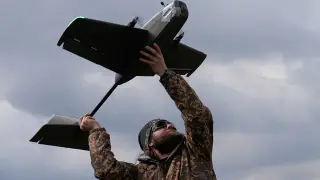
Ukraine’s privatized air defense program has achieved initial success, with six companies deploying 50 operational groups that have destroyed over 60 Russian aerial targets since March. This development coincides with a strategic shift toward domestic mini-turbojet engine production to counter faster Russian jet-powered drones. While private units use interceptor drones and turrets, the military is simultaneously upgrading its fighter fleet, with Western jets now outnumbering Soviet-era aircraft, to address the growing threat of high-speed aerial attacks.

Kyiv Deploys 20 Automated .50-Cal Turrets to Counter Russian Jet Drones
war-in-ukraine1 month ago

Kyiv Deploys 20 Automated .50-Cal Turrets to Counter Russian Jet Drones

Ukraine has installed over 12 automated .50-caliber gun turrets in Kyiv, with eight more planned for the region, to counter Russian jet-powered drones. President Zelenskyy announced the deployment on October 4 during a visit by German Chancellor Friedrich Merz. While interception rates for conventional drones remain high, success against faster jet variants is lower, prompting a layered defense strategy that includes new small missiles and F-16 fighter jets.

Ukrainian Border Guards Down Russia's Fastest Geran-5 Drone Amid Escalating Air War
war-in-ukraine2 months ago

Ukrainian Border Guards Down Russia's Fastest Geran-5 Drone Amid Escalating Air War

Ukrainian border guards shot down a Russian Geran-5 jet-powered strike drone on September 23, marking a significant interception of Moscow's fastest attack UAV. The drone, which flies at speeds up to 600 km/h, poses a greater challenge to Ukrainian air defenses than older propeller-driven models, with interception rates dropping to approximately 60%. This event highlights the escalating technological race in the conflict, as Russia scales up production of jet-powered drones while Ukraine develops new countermeasures and interceptor systems to protect its cities and infrastructure.

Russia’s Jet Drone Surge: From 500 to 3,000 Monthly Units
war-in-ukraine2 months ago

Russia’s Jet Drone Surge: From 500 to 3,000 Monthly Units

Russia has rapidly scaled production of jet-powered Geran-4 and Geran-5 drones to approximately 3,000 units monthly, a significant jump from 500 units in May 2026. These faster systems, which resemble cruise missiles, are now central to Russian strikes against Kyiv, forcing Ukraine to accelerate the development of new interceptor drones to counter the increased speed and volume of attacks.

Kyiv Secures Fresh French Crotale Systems Amid Coalition Push for Winter Air Defense
defense-and-geopolitics3 months ago

Kyiv Secures Fresh French Crotale Systems Amid Coalition Push for Winter Air Defense

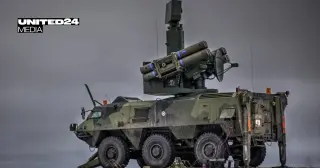
Ukraine has received additional French Crotale NG air defense systems and missiles, announced by President Volodymyr Zelenskyy on August 25. This delivery follows a Coalition of the Willing meeting in Kyiv on August 24, where leaders pledged to bolster Ukraine’s defenses against escalating Russian strikes. While Crotale systems are effective against low-flying drones and cruise missiles, Kyiv faces a significant interceptor shortage, with Patriot missile deliveries projected to drop to 264 in 2026, down from 675 in 2023. Allies are also facilitating local production of SCALP missiles and seeking to close a 27 billion euro defense funding gap for 2026.

Ukraine Secures Monthly Patriot Supply but Faces Shortfall, Pushing European Alternatives
war-in-ukraine3 months ago

Ukraine Secures Monthly Patriot Supply but Faces Shortfall, Pushing European Alternatives

President Volodymyr Zelensky confirmed an agreement for monthly US Patriot missile deliveries, but warned that 2026 volumes are lower than 2025 and insufficient for Ukraine’s needs. Kyiv is now seeking additional interceptors from European partners, particularly Germany and Poland, while accelerating the development of the European Freyja missile defense system to reduce reliance on US exports.

US Monthly Patriot Supply Confirmed, but Zelenskyy Warns Shortage Persists Amid Freyja Push
ukraine-russia-war3 months ago

US Monthly Patriot Supply Confirmed, but Zelenskyy Warns Shortage Persists Amid Freyja Push

Ukraine has secured an agreement for monthly US Patriot interceptor deliveries, but President Zelenskyy states these volumes remain insufficient for 2026 needs. Kyiv is accelerating the European-led Freyja missile defense project to reduce reliance on US stockpiles, aiming for a functional interceptor by mid-2027.

Freyja Coalition Accelerates: Ukraine Targets 2027 for Low-Cost Ballistic Shield

Freyja Coalition Accelerates: Ukraine Targets 2027 for Low-Cost Ballistic Shield

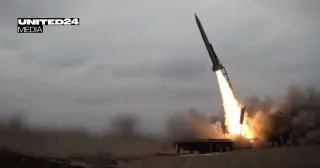
Ukraine and ten European nations are rapidly integrating the Freyja anti-ballistic missile defense system to replace costly US Patriot interceptors. Ukrainian firm Fire Point is manufacturing the FP-7X interceptor, while European partners supply radar and guidance tech. The coalition aims for operational results by late 2026 or early 2027, targeting a unit cost of under €1 million per missile.