
Cuba’s Daily Life Persists Amid U.S. Pressure and Energy Crisis
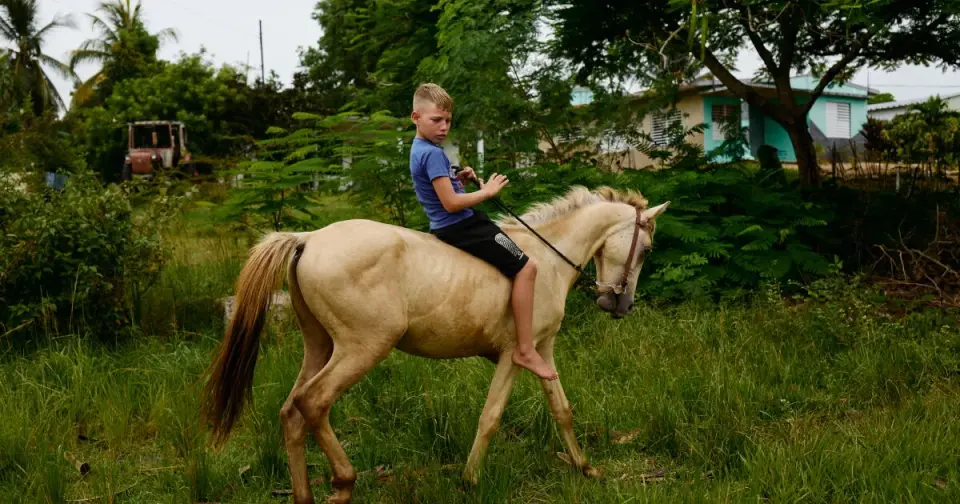
U.S. 'maximum pressure' tactics have intensified Cuba’s economic and energy crisis, causing severe fuel shortages and power outages. Despite these hardships, daily life continues as residents adapt to infrastructure failures. A recent photo essay highlights the resilience of Cubans, particularly youth, who face economic stagnation and political uncertainty while considering emigration.
Key points
- The Trump administration has escalated a 'maximum pressure campaign' against Cuba, including blocking oil imports and imposing new sanctions, with the explicit goal of collapsing the Communist government.
- Cuba is experiencing severe fuel shortages, leading to halted public transportation, empty tourist beaches, and fishermen unable to work due to lack of gasoline.
- The national power grid has collapsed repeatedly, causing days-long blackouts; even on functional days, most Cubans receive only a few hours of electricity, and water shortages are common.
- Photographer Lisette Poole González documented life across the island, from Havana to Baracoa, capturing scenes of resilience such as outdoor showers, horse-drawn carriages, and community gatherings.
- Young Cubans, born after the 1959 revolution, are increasingly focused on emigration, with over 1 million having left the island in recent years, driven by economic stagnation and government repression.
- Despite the crisis, cultural and religious activities continue, including Yoruba offerings and church services, indicating a persistence of daily routines despite infrastructure failures.
Background
Cuba’s current crisis follows a period of attempted economic liberalization. In August 2026, Havana converted 176 June reforms into law, expanding private trade and foreign investment, though U.S. sanctions hindered implementation. Prior to the current escalation, the island suffered multiple nationwide blackouts in 2026, including a major outage in September that disrupted hospitals and transportation. These events highlight the chronic nature of Cuba’s energy and economic challenges, which have persisted despite previous diplomatic openings under the Obama administration.
Why it matters
The situation illustrates the tangible human impact of geopolitical pressure, showing how sanctions and embargoes affect daily life, infrastructure, and social stability. It also highlights the generational shift in Cuban society, where youth are increasingly disconnected from the revolutionary legacy and more inclined toward emigration, signaling potential long-term political and demographic changes.
What to watch
The U.S. continues its 'maximum pressure' campaign, aiming for the collapse of the Cuban government. Cuba’s economy remains fragile, with ongoing power outages and fuel shortages. The future of the island’s political and economic trajectory is uncertain, with residents divided on whether they desire U.S. intervention or self-determination. The outcome of ongoing U.S.-Cuba talks and the implementation of domestic reforms will likely determine the pace of any changes.
Want the full story? Read the original reporting
Read on Los Angeles Times