
Beijing's Travel Ban and Diplomatic Pressure Fracture Pacific Islands Forum Consensus
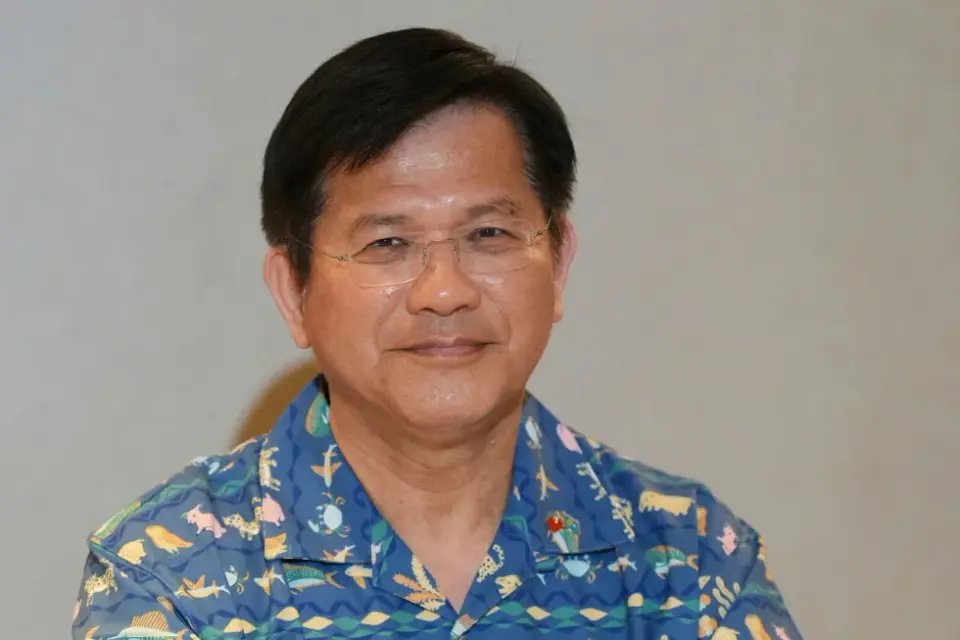
China has escalated its diplomatic pressure on Pacific Island nations following Taiwan's return to the Pacific Islands Forum (PIF) as a development partner. Beijing issued a travel advisory against Palau, the forum's host, and warned of 'retaliation' after Taiwan's Foreign Minister Lin Chia-lung attended the summit. This move has fractured the forum's consensus model, with Kiribati and Naoero blocking a joint condemnation of China's recent missile test in the region. While Palau's President Surangel Whipps Jr. rejected Beijing's coercion, other nations like Kiribati have moved to lock in diplomatic recognition of Beijing, highlighting the deepening great-power rivalry in the Pacific.
Key points
- China's Ministry of Culture and Tourism issued a travel advisory against Palau on August 19, warning of theft and dangerous marine conditions, following Taiwan's participation in the PIF.
- Taiwan's Foreign Minister Lin Chia-lung attended the 55th PIF Leaders' Meeting in Palau, marking its return as a development partner after being excluded in 2025.
- Kiribati and Naoero blocked a consensus statement condemning China's July 6 submarine-launched ballistic missile test in the Pacific.
- Kiribati's parliament passed a constitutional amendment restricting diplomatic recognition to UN members, effectively locking in ties with Beijing.
- Palau's President Surangel Whipps Jr. rejected China's travel advisory, stating that no one will dictate Palau's friendships.
Background
The Pacific Islands Forum operates on a consensus model known as the 'Pacific Way,' designed to protect small-state sovereignty. However, recent developments have tested this framework. In 2025, all external partners were excluded from the forum, removing Taiwan. The 2026 summit in Palau, a nation with official ties to Taiwan, reversed this dynamic. The forum's agenda also includes climate finance mechanisms like the Pacific Resilience Facility, which has received $173 million in pledges toward a $500 million target. The current diplomatic friction occurs against a backdrop of broader great-power competition, including China-Russia cooperation at the SCO summit in Central Asia.
How outlets are covering it
AP News highlights China's direct retaliation through a travel advisory and its warning of 'consequences' for Taiwan's participation. The Diplomat emphasizes the structural impact on the PIF's consensus model, noting that Kiribati and Naoero used their veto power to block a condemnation of China's missile test. The Diplomat also points out that Kiribati's constitutional amendment to restrict diplomatic recognition is a strategic move to appease Beijing, while AP News focuses on the immediate diplomatic confrontation between Palau and China. Both sources agree that the forum's unity is compromised by external power dynamics, but The Diplomat provides more detail on the internal political maneuvers of Kiribati and the historical context of Taiwan's exclusion in 2025.
Why it matters
The incident underscores the vulnerability of small Pacific Island nations to great-power coercion and the potential erosion of multilateral consensus mechanisms. China's use of tourism as a leverage tool, combined with diplomatic pressure, threatens the sovereignty of nations like Palau and could set a precedent for future regional disputes. The inability of the PIF to issue a unified response to a security threat in its own waters raises questions about the forum's relevance and effectiveness in addressing both security and climate challenges.
What to watch
The U.S. Embassy has rejected China's travel advisory, opposing the weaponization of tourism. Palau is expected to maintain its stance against Beijing's pressure. The PIF will continue to address climate and maritime issues, but the lack of consensus on security matters may hinder future cooperation. Kiribati's constitutional amendment may face further debate, but it signals a long-term shift in diplomatic alignment. The forum's ability to mobilize around climate finance may be tested by ongoing diplomatic divisions.
- China warns of ‘consequences’ for Taiwan after Taipei envoys attend Pacific leaders summit AP News
- China-Taiwan tensions weigh on Pacific leaders meeting Reuters
- Great power rivalry threatens to overshadow a summit of some of the world's smallest island nations AP News
- How Great Power Rivalry Is Fracturing the Pacific Islands Forum The Diplomat – Asia-Pacific
- Palau Pacific Islands Forum Bluefield Daily Telegraph
Want the full story? Read the original reporting
Read on AP News