
French Government Declares 'Urban Violence' as School Protests Trigger Nationwide Arson and Crisis Meeting
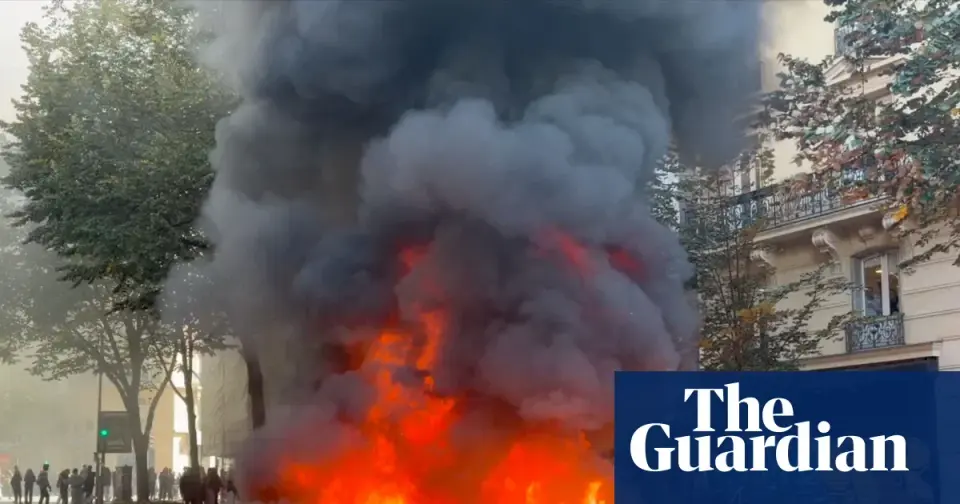
French high school protests have escalated into nationwide unrest, with the government labeling the actions 'urban violence.' Prime Minister Sébastien Lecornu convened a crisis cabinet meeting as riots, arson, and blockades spread across major cities. The interior ministry reported nearly 3,000 student detentions since the protests began, with 1,949 arrests on Thursday alone. Grievances center on overcrowded classrooms, teacher shortages, and dilapidated facilities, exacerbated by recent budget cuts. While the government blames the radical left for inciting violence, opposition figures and some teachers criticize police brutality and support the students' demands for better resources.
Key points
- Prime Minister Sébastien Lecornu called a crisis cabinet meeting on Thursday, instructing ministers to cancel travel plans to address the escalating demonstrations.
- The interior ministry reported approximately 900 demonstrations and blockades, resulting in the closure of over 160 schools and access restrictions to about 30 university campuses.
- Nearly 3,000 students aged 15 to 18 have been detained since the protests began, including 1,949 on Thursday; over 300 police officers and dozens of teachers and pupils have been injured.
- Arson incidents have caused significant damage, including a fire at a school in Nantes that will remain closed for a month, and a petrol attack on a teacher in Marseille.
- Education Minister Édouard Geffray is scheduled to meet pupil representatives on Friday, while many schools have switched to online classes to ensure safety.
Background
The current unrest follows a rapid escalation from earlier protests in late September, which initially involved 164 arrests and 27 injuries. By October 1, the situation had intensified into nationwide arson and clashes, with over 440 detentions reported. The protests coincide with public sector strikes against the government's 54 billion euro budget cuts, creating a tense political climate ahead of the 2027 presidential election.
How outlets are covering it
The French government, including Prime Minister Lecornu and Interior Minister Laurent Nunez, characterizes the demonstrations as 'urban violence' and blames the radical left party La France Insoumise (LFI) for encouraging the unrest. In contrast, LFI leader Jean-Luc Mélenchon insists the party supports non-violent methods and criticizes the 'unbearable level of police violence' against young people. While the government focuses on the destruction of property and safety risks, student unions and some teachers, such as Juliette Estiville, argue that the protests are a legitimate response to underfunded schools and overcrowded classes, and they condemn the police response as excessive. The BBC notes that the protests have become a political flashpoint, with hard-right politicians calling for new anti-rioting laws, while left-wing mayors like Benoît Payan in Marseille condemn the violence but acknowledge the students' legitimate concerns.
Why it matters
The escalation of student protests into widespread violence and arson highlights deepening social tensions in France over education funding and public services. The government's decision to convene a crisis cabinet meeting and the significant number of detentions indicate a potential shift in the political landscape ahead of the 2027 presidential election. The conflict between the state's emphasis on order and the opposition's focus on police brutality and resource allocation may influence public opinion and policy decisions regarding education and social welfare.
What to watch
Education Minister Édouard Geffray is expected to meet with pupil representatives on Friday to discuss the grievances and potential solutions. The government may announce further measures to address the violence, including potential legal changes or increased security presence. The outcome of these negotiations and the government's response to the protests will likely shape the political discourse leading up to the 2027 presidential election.
- France school protests escalate into ‘urban violence’ as PM calls crisis cabinet meeting The Guardian
- Fires break out at French schools as students protest nationwide BBC
- France: Hundreds of students arrested as protests over school conditions escalate dw.com
- Teacher doused in petrol as students set fire to schools in protests raging across France The Jerusalem Post
- Crisis meeting told France's hardleft party behind school protests, says source Reuters
Want the full story? Read the original reporting
Read on The Guardian