
French Student Protests Escalate into Nationwide Crisis with Hundreds of Schools Closed
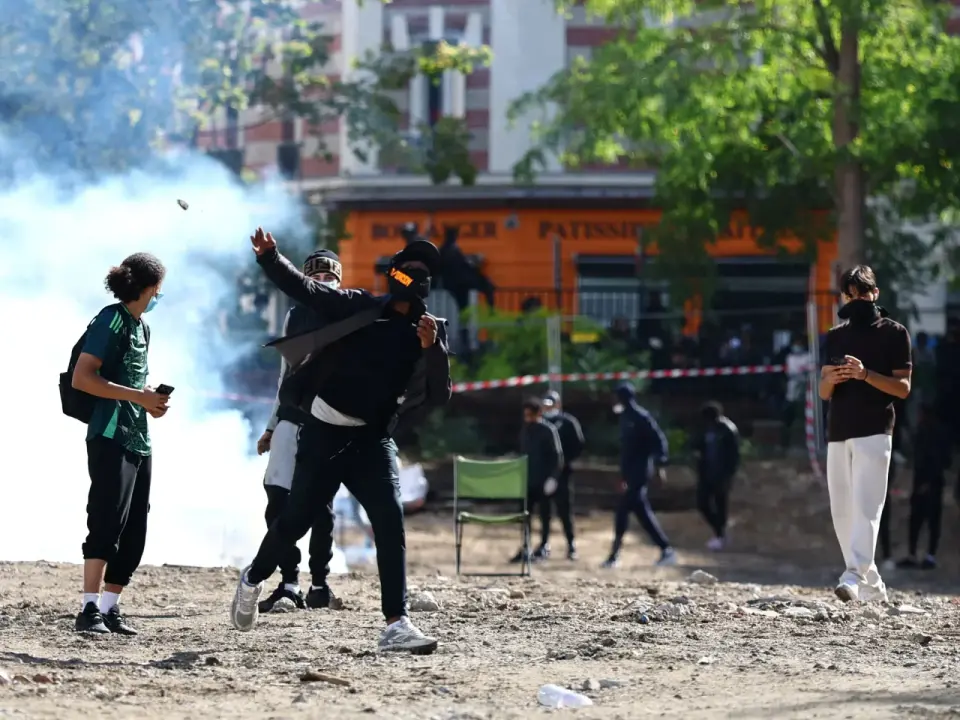
French high school protests have escalated into a nationwide crisis, with hundreds of schools closed, violent clashes with police, and significant property damage. The unrest, driven by grievances over overcrowded classrooms, teacher shortages, and poor infrastructure, has resulted in thousands of arrests and injuries. While the government blames external agitators and calls for parental responsibility, student unions and rights groups criticize police brutality and demand concrete reforms. The situation has intensified political pressure on President Macron ahead of next year's elections.
Key points
- Over 400 of France's 3,700 high schools were closed on Friday, with 560 reporting protests or disruptions, according to the Ministry of National Education.
- Approximately 2,000 people were detained on Friday alone, bringing the total arrests since the protests began nearly two weeks ago to around 3,000, with the vast majority being minors.
- At least 170 students and 65 school staff members, including 40 principals, were injured during the clashes, with more than 100 high schools sustaining severe damage.
- Students protested against overcrowded classes (up to 40 students), absent teachers, poor infrastructure, and inadequate funding, exacerbated by recent budget cuts and heatwaves.
- The government accused the hard-left France Unbowed (LFI) party of commandeering the movement, while student unions and rights groups like Amnesty International condemned police violence and called for continued protests.
Background
The current unrest follows a series of escalating protests that began in late September in the Paris region, specifically at Lycée Saint-Exupéry in Créteil. Earlier coverage noted that Prime Minister Sébastien Lecornu had already convened crisis meetings and condemned the protests as 'irresponsible' and 'urban violence' as the demonstrations spread from Paris to southern and northern regions. The protests coincided with broader public sector strikes over pay and budget plans, intensifying pressure on President Emmanuel Macron ahead of next year's presidential elections. The government's response has been characterized by a combination of security measures, including mass arrests and police crackdowns, and attempts at dialogue with education unions and student associations.
How outlets are covering it
The French government, including Justice Minister Gérald Darmanin and Education Minister Édouard Geffray, has framed the protests as 'urban violence' and 'public order disturbances,' blaming the hard-left France Unbowed (LFI) party for commandeering the movement. Darmanin called for parents to be held liable for damage caused by their children, while Geffray warned parents to keep their children out of the streets, citing safety concerns. In contrast, student unions and protesters, along with rights groups like Amnesty International, have condemned police brutality, describing the use of tear gas and batons on minors as excessive and alarming. Students have emphasized their grievances over overcrowded classrooms, teacher shortages, and poor infrastructure, arguing that the government is neglecting education in favor of military spending. The BBC and The Guardian highlighted the peaceful nature of some demonstrations, noting that students were trying to prevent external agitators from setting fires, while Al Jazeera and Time Magazine focused on the scale of the unrest and the government's attempts to quell it through dialogue and security measures.
Why it matters
The protests highlight deep-seated issues in France's education system, including underfunding, overcrowded classrooms, and teacher shortages, which have been exacerbated by recent budget cuts. The escalation into violence and the involvement of minors have raised serious concerns about public safety and the effectiveness of the government's response. The situation has also intensified political pressure on President Macron ahead of next year's elections, with the government's handling of the crisis potentially influencing voter sentiment. The protests have also drawn attention to the broader social and economic inequalities in France, as students have linked their grievances to issues such as housing aid and welfare support. The ongoing unrest has the potential to further destabilize the country and impact the government's ability to implement its budget plans and other policies.
What to watch
The government is expected to continue its efforts to quell the protests through a combination of security measures and dialogue with education unions and student associations. Education Minister Édouard Geffray has announced a platform for students to submit proposals for education reform, which will be evaluated and used for a national report. However, student unions have called for continued demonstrations, citing a lack of concrete measures from the government to address their complaints. The situation is likely to remain tense, with the potential for further escalations in violence and unrest. The government's response to the protests will be closely watched, as it could have significant implications for public opinion and the upcoming presidential elections.
- Protests shutter hundreds of French schools as violence flares Al Jazeera
- Fires, fury and hundreds of arrests as France gripped by student protests The Guardian
- Riot police clash with students as education protests rage in France bbc.com
- France: 400 schools closed as student protests continue dw.com
- Why Are Students Protesting Across France? Time Magazine
Want the full story? Read the original reporting
Read on Al Jazeera