
Greek mother, 54, delivers daughter from embryo frozen for 22 years
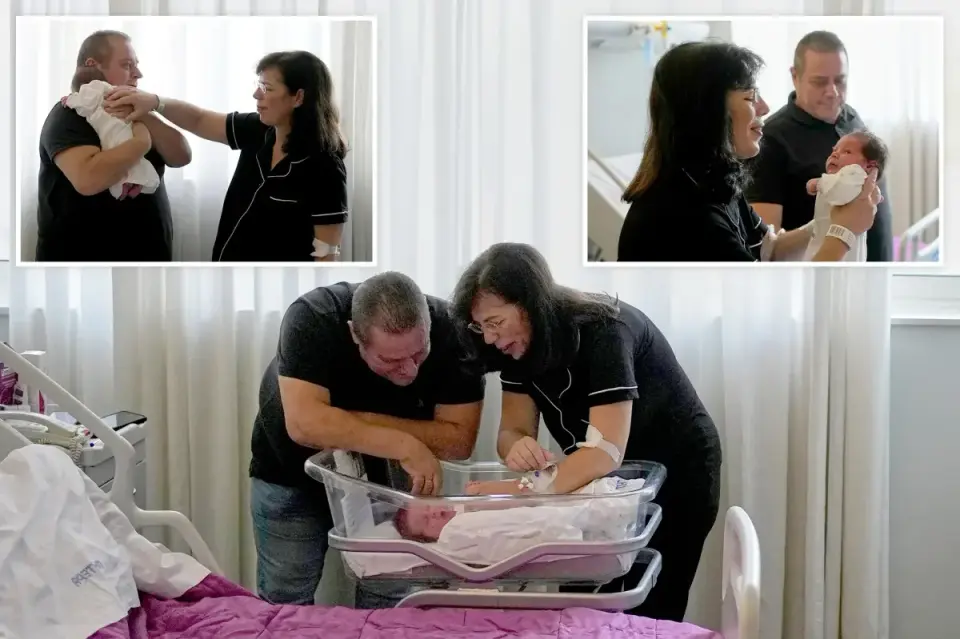
Cristina Rapti-Tzelepi, 54, gave birth to a daughter in Athens using an embryo frozen for 22 years, shortly after her son died in a crash. The birth occurred just before Greece’s strict IVF age limit, sparking debate over reproductive laws.
Key points
- Cristina Rapti-Tzelepi, 54, and her husband Constantinos Raptis, 60, welcomed a daughter named Georgia in Athens on September 11, 2026.
- The baby was conceived from an embryo frozen for 22 years, a rare instance of long-term embryo viability.
- The couple pursued IVF after their 21-year-old son, Giorgos, died in a road crash in October 2025.
- Rapti-Tzelepi had only a 2.5-month window to complete the procedure before hitting Greece’s 54-year age limit for IVF.
- Dr. Kostas Pantos, her gynecologist, argued that Greece’s strict age restrictions should be reviewed due to the country’s declining birth rate.
Background
This story follows earlier coverage of the same birth, which highlighted the emotional and legal urgency surrounding the couple’s decision. It also connects to broader discussions on reproductive rights, such as the Texas surrogacy dispute, where legal battles over parental rights and medical decisions intersect with abortion politics. Additionally, the case contrasts with the 2025 birth of a baby from an embryo frozen for over 30 years in Ohio, which set a Guinness World Record, underscoring the growing feasibility of long-term embryo storage.
How outlets are covering it
The New York Post and AP News emphasize the emotional resilience of the couple and the medical rarity of the 22-year-old embryo, framing the birth as a triumph over tragedy. The Independent focuses on the legal implications, highlighting Dr. Pantos’s call to revise Greece’s IVF age limit. While all sources agree on the facts, the Post and AP stress the personal narrative, whereas The Independent centers on policy reform. No source disputes the core events, but they differ in emphasis: personal recovery versus systemic change.
Why it matters
This case challenges existing reproductive laws and highlights the potential of long-term embryo storage. It may prompt Greece to reconsider its strict IVF age limits, especially amid a declining birth rate. The story also illustrates how medical advancements can offer hope to families facing loss, while raising ethical questions about age restrictions in assisted reproduction.
What to watch
Greece may review its IVF age limit in light of this case. The couple has not ruled out pursuing additional pregnancies, possibly abroad. Public and medical debates on reproductive rights and embryo storage may intensify, potentially influencing policy changes in other countries with similar restrictions.
- Greek couple welcomes daughter born from an embryo frozen for 22 years after tragedy nypost.com
- After tragedy, a Greek couple welcomes a daughter born from an embryo frozen for 22 years AP News
- Greek woman, 54, gives birth after using embryo frozen for 22 years Sky News
- Woman, 54, Gives Birth to Baby Girl from 22-Year-Old Frozen Embryo After Her Son, 21, Dies Suddenly People.com
- Greek woman, 54, gives birth to baby girl from embryo frozen for 22 years The Independent
Want the full story? Read the original reporting
Read on nypost.com