
Guatemala raises Fuego volcano alert to red as 1,700 remain in shelters
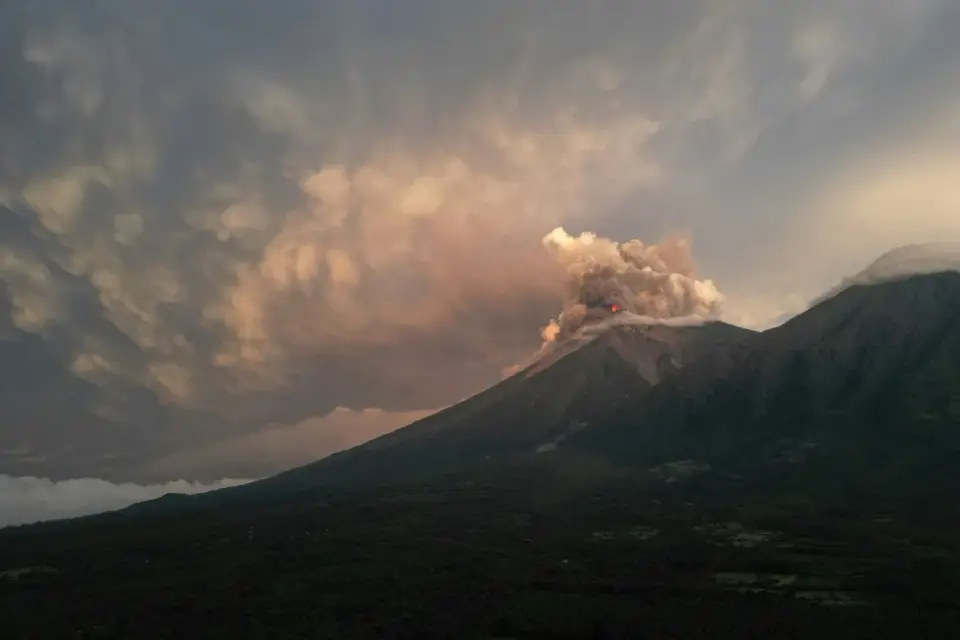
Guatemala’s Fuego volcano erupted on August 4, 2026, prompting authorities to raise the emergency alert to red for three municipalities. Approximately 1,700 people remain in shelters as mudflows descend the slopes and ash affects around 29,000 residents. Officials warn that the next 72 hours are critical due to forecast rain, which could trigger additional volcanic mudflows. The eruption, located 22 miles from Guatemala City, has closed major highways and suspended school classes in nearby towns.
Key points
- The Fuego volcano erupted on August 4, 2026, sending lava, ash, and pyroclastic flows down its slopes.
- Guatemala’s disaster agency, CONRED, raised the alert level to red for Sacatepequez, Escuintla, and Chimaltenango.
- Approximately 1,700 people are currently in shelters, with about 29,000 affected by ashfall in the red-alert zones.
- Mudflows up to 7 kilometers long are descending the volcano, with forecast rain increasing the risk of further flows.
- National Route 14 was closed, and schools in nearby towns suspended classes due to the ash and debris risks.
Background
Fuego is one of Central America’s most active volcanoes, located on the Pacific Ring of Fire. Previous eruptions in 2018, 2023, and 2025 resulted in significant evacuations and casualties. The 2018 eruption killed 194 people and left 234 missing, while the 2023 eruption displaced around 1,200 residents. The current eruption follows a pattern of frequent seismic and volcanic activity in the region.
How outlets are covering it
AP News and Yahoo highlighted the dramatic visual impact of the eruption, noting ash plumes rising nearly 4 miles into the air and lava flows turning clouds red. CNN emphasized the ongoing danger, stating that the volcano remains hazardous amid a days-long eruption. Al Jazeera provided the most detailed update on the human impact, reporting that 1,700 people remain in shelters and that the next 72 hours are critical due to forecast rain. All sources agree on the severity of the eruption and the necessity of evacuations, but Al Jazeera uniquely detailed the specific municipalities under red alert and the number of people affected by ashfall.
Why it matters
The eruption underscores the ongoing volcanic risks in Guatemala and the effectiveness of early warning systems in mitigating casualties. The closure of major highways and suspension of school classes highlight the broader societal impact of such natural disasters. The critical 72-hour window due to forecast rain emphasizes the need for continued vigilance and preparedness in the affected regions.
What to watch
Authorities will monitor the situation closely over the next 72 hours, particularly as forecast rain could trigger additional mudflows. Evacuations will remain in place until conditions improve, and residents in the red-alert municipalities are advised to cover water deposits and use face masks to protect against ashfall. The status of National Route 14 and school closures will depend on the evolution of the volcanic activity and weather conditions.
- Guatemala evacuates communities after Fuego volcano erupts, in photos AP News
- Guatemalan volcano reaches ‘critical explosive phase’ as hundreds evacuated cnn.com
- Dramatic photos show lava spewing from Fuego volcano in Guatemala Yahoo
- Fuego volcano in Guatemala spews more ash and mud, 1,700 evacuated Al Jazeera
- Guatemala's Fuego volcano intensifies, prompts preventive evacuations Reuters
Want the full story? Read the original reporting
Read on AP News