
Lost Memoir by Hiroshima Survivor Kiyoshi Tanimoto Published 81 Years After Bombing
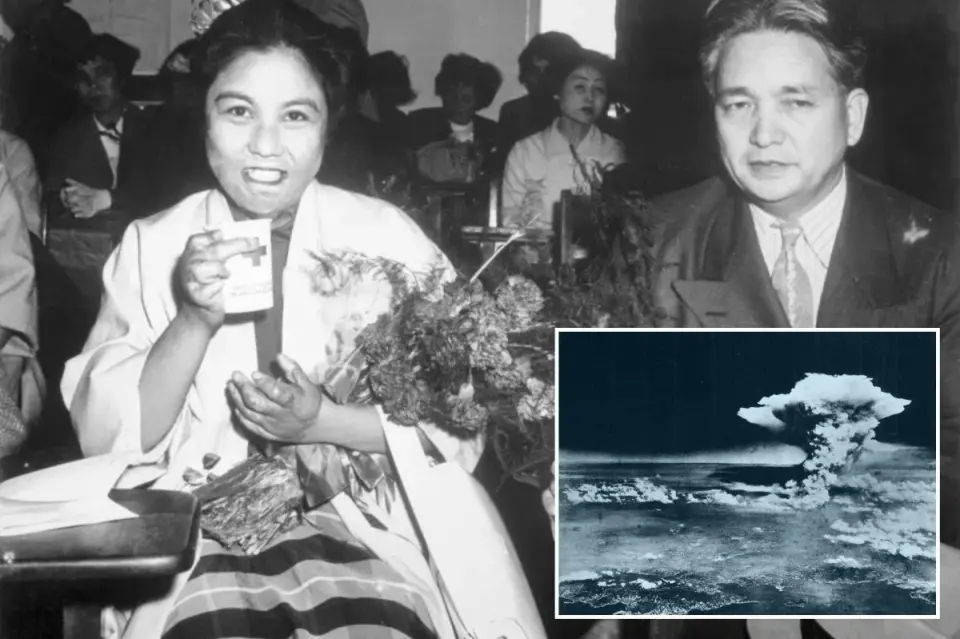
A 400-page English memoir by Kiyoshi Tanimoto, a Methodist minister who survived the 1945 Hiroshima atomic bombing, has been published for the first time. The document, titled 'Hiroshima, 8:15: The Lost Memoir,' was discovered in the archives of Pulitzer Prize winner John Hersey at Yale University. Tanimoto, then 36, had sent the manuscript to Hersey in 1946, but it remained unread and unpublished for decades. The book details the immediate aftermath of the blast, including the death of over 140,000 residents and the severe radiation sickness survivors endured. Tanimoto, who later became known as a 'rescuing angel' for aiding survivors, expressed no resentment toward the United States, arguing the bomb's destructive power should inspire the end of all war. The memoir is being adapted into a feature film scheduled for the 2028 Cannes Film Festival.
Key points
- Kiyoshi Tanimoto, a 36-year-old Methodist minister, wrote a 400-page English memoir of the Hiroshima bombing in 1945.
- The manuscript was sent to journalist John Hersey but remained undiscovered in his Yale archives until recently.
- Tanimoto’s account describes the 'sharp flash of light' and the subsequent chaos, including the burial of his wife and infant daughter.
- The book details the horrific conditions, such as 'atomic disease' and maggots in wounds, that survivors faced.
- Tanimoto rejected the label of 'hero' and did not resent the US, viewing the bomb as a catalyst for global peace.
- The memoir is being adapted into a film directed by Phil Joanou, starring Takehiro Hira, for a 2028 release.
Background
This publication coincides with the 81st anniversary of the Hiroshima bombing. Recent scientific studies have also analyzed debris from the blast, identifying a novel alloy formed by the explosion's extreme conditions. The release of Tanimoto's memoir adds a personal, eyewitness dimension to the historical record, complementing earlier scientific findings and John Hersey's 1946 reporting.
How outlets are covering it
The New York Post emphasizes the human drama and the rediscovery of the manuscript, highlighting Tanimoto's personal loss and his subsequent humanitarian work. Engelsberg Ideas frames the story within the broader context of John Hersey's journalistic legacy and the current erosion of nuclear arms control treaties, such as the expiration of New START in 2026. While the Post focuses on the specific narrative of Tanimoto's survival, Engelsberg Ideas connects the memoir to the urgent need for public memory of nuclear devastation amidst rising geopolitical tensions and the expansion of nuclear arsenals in China and the Middle East.
Why it matters
The publication of this primary source offers a rare, unfiltered perspective from a Japanese survivor, contrasting with the sanitized narratives often circulated during the US occupation of Japan. It underscores the enduring human cost of nuclear weapons at a time when global arms control frameworks are weakening. The memoir serves as a critical historical document that challenges abstract discussions of nuclear strategy with visceral, personal testimony.
What to watch
The memoir is being developed into a feature film, with a scheduled release at the 2028 Cannes Film Festival. The film will star Takehiro Hira as Tanimoto and be directed by Phil Joanou. Additionally, the publication may prompt further archival research into John Hersey's papers at Yale to determine if he ever reviewed the manuscript.
- Recently discovered eyewitness account of Hiroshima atom bomb published, detailing horror and desperation of survivors New York Post
- A long-lost memoir brings the horrors of atomic warfare to life The Economist
- John Hersey and the horrors of Hiroshima Engelsberg Ideas
- How I survived Hiroshima — and forgave the Americans for what they did The Times
- Before the next nuclear crisis, listen to those who lived through the last one Bulletin of the Atomic Scientists
Want the full story? Read the original reporting
Read on New York Post