
Russia’s $26,000 Recruitment Drive Targets Vulnerable Americans and Belarusians
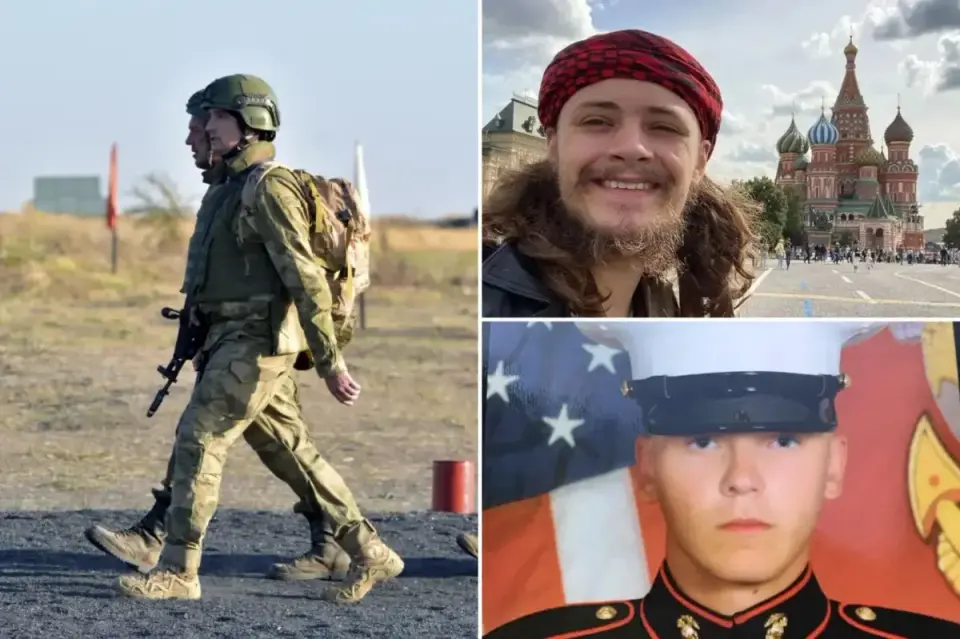
Moscow is aggressively recruiting foreign nationals to offset massive manpower losses in the Ukraine war, offering Americans a $26,000 signing bonus and $2,000 monthly pay. Ukrainian officials report 18 US recruits have been identified, many of whom were lured by online propaganda after facing personal or professional setbacks. While some Americans, like former Marine Seth Baker, were killed within months, others remain active. Simultaneously, Russia is targeting Belarusians with similar financial incentives, exploiting their economic vulnerability and legal ambiguities to fill frontline 'meatgrinder' units.
Key points
- Ukraine estimates Russia has suffered 1.5 million casualties since 2022, including 500,000 deaths, driving a desperate need for foreign manpower.
- US recruits receive a $26,000 signing bonus and $2,000 monthly salary, with recruiters earning $24,000 per successful enlistment.
- Seth Baker, a former US Marine from Arizona, was recruited online after being discharged for refusing a vaccine mandate; he was killed on the frontlines three months after signing.
- Ukrainian security services have identified 17 other Americans fighting for Russia, including Wilmer Puello-Mota, who fled a child pornography trial in the US.
- Foreign fighters are often subjected to 'meat assaults,' forced to fight while injured, and face physical abuse and salary deductions for unit funds.
- Russia is also recruiting Belarusians via social media ads, promising citizenship and high salaries, despite the legal risks of mercenary activity in Belarus.
Background
This recruitment surge follows a period of intense battlefield losses for Moscow. In July 2026, Russia suffered approximately 42,860 casualties, one of the war's bloodiest months, as Ukraine reclaimed territory and conducted deep strikes inside Russian borders. Analysts have noted that Russia's military culture, rooted in World War II-style mass assaults, treats soldiers as expendable, leading to shortened training periods and the recycling of wounded troops. The current push for foreign recruits is a direct response to these unsustainable losses and the inability to cover monthly casualty rates of 30,000 to 40,000.
How outlets are covering it
The New York Post emphasizes the deceptive nature of the recruitment, highlighting how vulnerable individuals like Seth Baker were groomed by online propaganda after facing societal rejection. It notes that Russian propaganda treats American recruits as 'sacred' symbols of Western dissent, while the reality involves abuse and disposable treatment. Euronews focuses on the Belarusian angle, detailing how recruiters use local phone numbers and promises of citizenship to bypass legal hurdles, targeting those with debts or legal issues. Latin Times provides a broader context of international recruitment but offers less specific detail on the US or Belarusian cases compared to the other two outlets. All sources agree that the recruitment is a systematic, profitable industry driven by Moscow's manpower crisis, but they differ in their focus on the specific demographics and legal consequences for the recruits.
Why it matters
The reliance on foreign mercenaries signals a critical manpower crisis for Russia, which is struggling to sustain its war effort through domestic recruitment alone. The use of vulnerable individuals from allied or neutral countries, such as the US and Belarus, highlights the global reach of Moscow's propaganda and the potential for long-term geopolitical instability. Furthermore, the exploitation of these recruits, including forced 'meat assaults' and salary theft, raises significant human rights concerns and complicates the legal status of these fighters in their home countries.
What to watch
Ukrainian officials expect the number of identified foreign recruits to rise as the war continues. Russia may face increased scrutiny from international bodies regarding the treatment of foreign mercenaries. In Belarus, the legal ambiguity surrounding 'Union State' military service could lead to further mobilization pressures, while in the US, the cases of individuals like Puello-Mota may prompt legal or diplomatic responses regarding the status of American mercenaries.
- Russia paying US recruits $26,000 to become cannon fodder in Ukraine war New York Post
- How is Russia recruiting Belarusians to fight in the war in Ukraine? Euronews.com
- Amnesty International: Russia's Abusive Foreign Military Recruitment Wansom AI
- Dominicans Tricked Into Fighting Russia's War? Here's What's Confirmed So Far Latin Times
- Promised jobs, delivered to war: The 289-platform network luring recruits to Russia Daily Nation
Want the full story? Read the original reporting
Read on New York Post