
Fatal Shark Attack at Perth’s Sorrento Beach Marks Second Western Australian Incident in Four Days
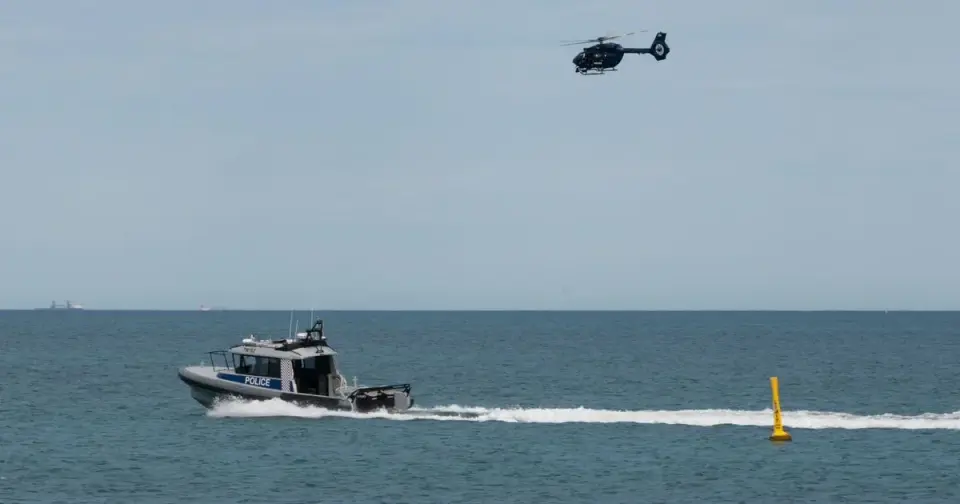
A man in his 60s died after a shark attack at Sorrento Beach in Perth, Western Australia, on September 18. Police confirmed the swimmer died from the incident, while witnesses described seeing significant blood in the water. This was the second shark attack in Western Australia within four days, following a severe injury to a surfer near Geraldton. Authorities launched a search with boats and helicopters but did not confirm if remains were recovered. The incident highlights a concerning trend, with five fatal shark attacks recorded in Australia this year, exceeding the historical average of two to three per year since 2000.
Key points
- A male swimmer, described by witnesses as being in his 60s, was killed by a shark at Sorrento Beach in Perth's northern suburbs on September 18, 2026.
- Western Australia Police confirmed the swimmer died as a result of the attack but declined to identify the victim or confirm if remains were found.
- Witnesses reported seeing a pool of blood in the water and described the scene as traumatic, with one comparing it to a scene from the movie 'Jaws'.
- The attack occurred around 10:30 a.m. local time at a popular swimming spot located approximately 12 miles northwest of Perth.
- This incident was the second shark attack in Western Australia in less than four days, following a surfer losing a foot and suffering serious leg injuries near Geraldton on September 14.
- Australia has recorded five fatal shark attacks in 2026, significantly higher than the average of two to three per year since 2000, according to the Australian Shark Incident Database.
Background
This incident follows a series of shark-related events in Australia over the past few months. In June, a primary school teacher survived a mauling by a four-meter great white at Coogee Beach, losing part of her arm. In May and June, three spearfishing divers were killed in four weeks. Additionally, a 12-year-old boy died in January after being mauled by a bull shark in Sydney Harbor. Scientists have suggested that warming oceans may be shifting shark patterns, potentially contributing to increased attack frequency. The current incident adds to a year that has seen a notable spike in fatal shark encounters compared to historical averages.
How outlets are covering it
WRAL.com and USA Today both report the core facts of the fatal attack at Sorrento Beach, citing police statements and witness accounts. WRAL emphasizes the emotional impact on the victim's friend, who was traumatized and apologized for not saving his mate, while USA Today highlights the visual horror described by witnesses, including the amount of blood seen. Both outlets note the recent surge in attacks, with USA Today specifically linking this incident to the surfer injury in Geraldton just days prior. WRAL provides broader national context by citing the Australian Shark Incident Database, noting that five fatal attacks have occurred this year, which is double the historical average. USA Today mentions a separate report of a large great white shark near a reef shortly after the attack, though it is unclear if this was the same animal. Neither outlet provides the species of the shark involved in the fatal attack, but both agree on the severity of the event and the public's shock.
Why it matters
The fatal shark attack at Sorrento Beach underscores a significant deviation from historical norms in Australia, where fatal shark attacks have averaged two to three per year since 2000. With five fatalities already recorded in 2026, this incident raises concerns about public safety in coastal areas and may prompt renewed discussions on shark mitigation strategies, such as netting or electronic detection systems. The proximity of this attack to a previous severe injury in Geraldton within four days suggests a potential localized increase in shark activity or a shift in shark behavior, possibly influenced by environmental factors like warming oceans. For beachgoers and policymakers, this event highlights the urgent need for updated safety protocols and public awareness campaigns to mitigate risks in popular swimming areas.
What to watch
Authorities are expected to continue monitoring shark activity in the Perth region, particularly around Sorrento Beach and nearby reefs, given the recent reports of large sharks in the area. Local governments may review and potentially implement stricter beach safety measures, including increased lifeguard presence or temporary closures during peak swimming hours. Researchers from the Australian Shark Incident Database may analyze the 2026 data to identify patterns or environmental triggers contributing to the higher-than-average number of fatal attacks. Public discourse may focus on balancing conservation efforts with human safety, potentially leading to debates on the effectiveness of current shark mitigation strategies. No immediate legislative changes are expected, but the incident may influence future funding for shark research and coastal safety infrastructure.
- Shark kills swimmer off Western Australian city beach WRAL
- Swimmer killed in shark attack off popular Western Australia beach FOX Weather
- 'Like a scene off Jaws.' Shark kills swimmer at busy beach USA Today
- Man dead, six-metre shark to be destroyed News.com.au
- Perth shark attack: swimmer killed in incident off Sorrento Beach in Western Australia BBC
Want the full story? Read the original reporting
Read on WRAL