
Slovenia’s Janša Returns to Power, Pivots to Pro-Israel, Anti-Immigration Agenda
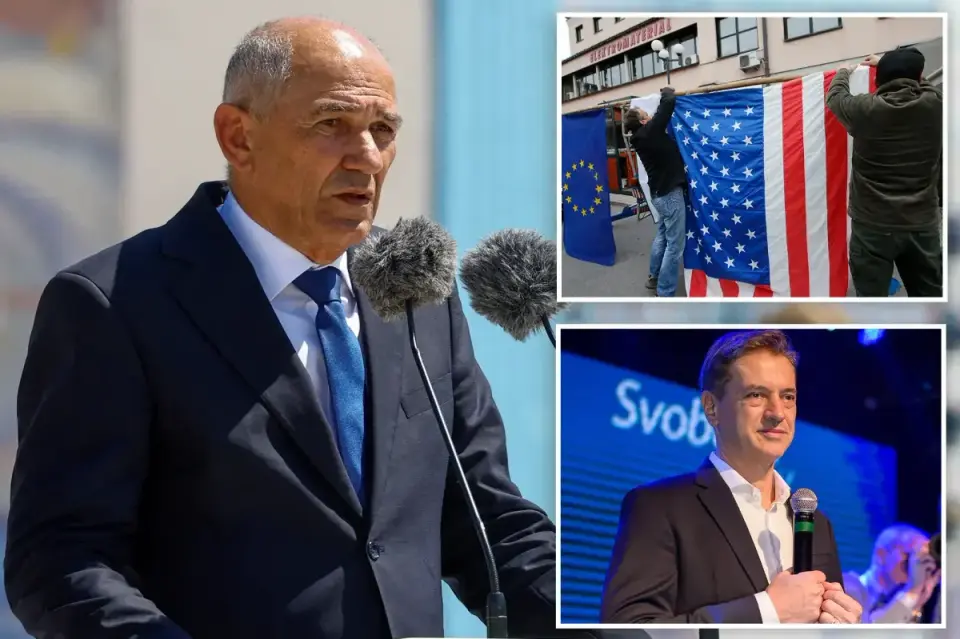
Slovenian Prime Minister Janez Janša has returned to power for a fourth term, forming a coalition that replaces the leftist government of Robert Golob. Janša is implementing a radical rightward shift, reversing anti-Israel policies, freezing Palestinian state recognition, and adopting stricter immigration stances. Domestically, he plans to cut red tape, support private healthcare, and expand nuclear infrastructure, mirroring the conservative approach of US President Donald Trump.
Key points
- Janša’s coalition secured 51 votes in the National Assembly, including support from minority representatives and one anonymous opposition member, after Golob failed to form a government.
- The new administration is moving the Slovenian embassy to Jerusalem and revoking a 2025 ban on military trade with Israel.
- Janša joined 18 other EU leaders in signing a letter demanding stricter immigration controls, increased deportations, and stronger cooperation with third countries.
- Domestic reforms include reducing government size, supporting private education and healthcare, and building a second reactor at the Krško nuclear power plant.
- Janša maintains strong ties with the US, praising America as a beacon for Slovenian independence, and supports increased military aid to Ukraine and sanctions against Russia.
Background
This development follows Janša’s previous terms and his 2013 conviction for bribery, which was overturned in 2015. Slovenia, the birthplace of First Lady Melania Trump, has seen a significant political realignment since the March 2026 elections, where Golob’s Freedom Movement won the most seats but failed to secure a majority. Janša’s return marks a decisive shift from the previous four-year leftist administration.
Why it matters
Janša’s rise signals a broader trend of conservative resurgence in Europe, aligning Slovenia with the policy frameworks of leaders like Viktor Orbán and Donald Trump. The shift impacts EU cohesion on immigration and foreign policy, particularly regarding Israel and Ukraine, while domestic reforms aim to reduce bureaucracy and boost economic competitiveness.
What to watch
Janša is expected to address the United Nations General Assembly in September, potentially meeting President Trump. The new government faces the challenge of passing its proposed reforms through the Slovenian parliament, where no major changes have yet been enacted.
Want the full story? Read the original reporting
Read on New York Post