
Mass Protests Erupt Across Spain as Ceuta Migrant Crisis Deepens
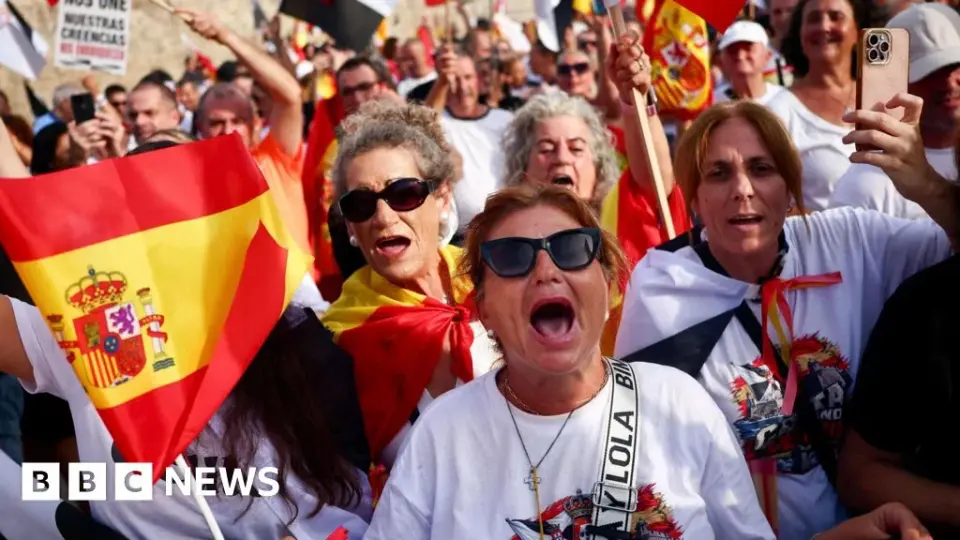
Thousands of people protested in cities across Spain, including Madrid, over the government's handling of the migrant influx in the Spanish exclave of Ceuta. Opposition leaders accused Prime Minister Pedro Sánchez of abandoning the city, while the government blamed right-wing parties for exploiting the situation. A police report suggested Moroccan security forces were passive during the July crossing, though it did not explicitly accuse the state of orchestrating the event. Approximately 5,000 migrants remain in Ceuta, causing ongoing unrest and political pressure on the central government.
Key points
- Protests were held in multiple Spanish cities, with over 50,000 people gathering in Madrid according to government figures.
- Opposition leaders from the Partido Popular and Vox party called for Sánchez to resign, accusing him of dereliction of duty.
- A National Police report indicated Moroccan security forces showed 'total permissiveness' during the mass crossing, contradicting earlier government claims.
- Approximately 5,000 migrants remain in Ceuta, living in makeshift camps or on the streets, leading to local unrest.
- The government blamed trafficking gangs and online misinformation for the influx, while opposition parties accused Morocco of involvement.
Background
The crisis began in late July when over 72,000 people crossed from Morocco into Ceuta. Since then, the situation has escalated with clashes, arson at migrant shelters, and reports of sexual assaults. Previous coverage noted that Sánchez blamed foreign disinformation networks, a claim rejected by Moscow and Tel Aviv, while Morocco consistently denied state involvement. The current protests represent a broader national reaction to the ongoing humanitarian and political crisis in the enclave.
Why it matters
The protests highlight deepening political divisions in Spain over immigration policy and border security. The crisis has strained relations between Madrid and Rabat, with Morocco having long-standing claims over Ceuta. The government's handling of the influx has become a major political liability for Sánchez, potentially impacting his ability to govern and manage future immigration challenges. The situation also underscores the risks of misinformation and the complexities of managing border crises in a polarized political environment.
What to watch
The government is likely to face continued pressure from opposition parties and local residents in Ceuta. Further political maneuvering may occur as Sánchez attempts to manage the crisis and maintain support. The situation in Ceuta may evolve depending on the government's response to the police report and the ongoing presence of migrants in the city. Diplomatic relations with Morocco could also be affected by the ongoing dispute over the border crossing.
Want the full story? Read the original reporting
Read on BBC