
Three Men Charged With Arson and Homicide Over Deadly Athens Gas Blast
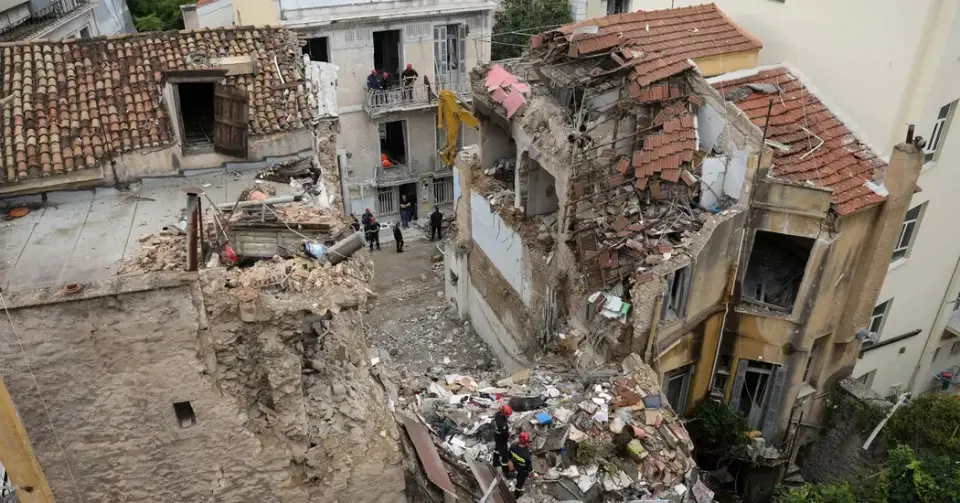
Greek authorities have arrested three men in connection with the September 25 explosion in Athens' Plaka district that killed six people. The suspects, two Greeks and one Albanian, face charges for intentionally damaging a natural gas line while stealing copper pipes, which caused a gas leak that ignited when a resident turned on a light. The blast collapsed a two-story building, killing four American tourists and an elderly British-Greek couple. Investigators are examining security footage and communications data to determine how the gas ignited, with the suspects set to appear before a magistrate.
Key points
- Three men, identified as two Greeks aged 37 and 55 and a 34-year-old Albanian, were arrested on October 29 and faced an investigating magistrate on October 30.
- The suspects are accused of sabotaging natural gas infrastructure to steal copper pipes from a building on Lysikratous Street in the Plaka district.
- The explosion occurred on September 25 at approximately 7:30 a.m., killing six people: four American citizens and an elderly British-Greek couple.
- Investigators believe the suspects entered the building around 2:00 a.m., damaging the gas line and allowing gas to accumulate before it was ignited by an electrical spark.
- The suspects face charges including arson, causing an explosion, and multiple counts of homicide, with defense preparations extended until Monday.
Background
The September 25 explosion in Athens' historic Plaka district collapsed a two-story building, killing six people and injuring others. The victims included four Americans, among them a newlywed couple and the bride's pregnant partner, as well as an elderly British man and his Greek wife. Previous reports confirmed the blast was triggered by a gas leak, with debris narrowly missing a school bus carrying 12 children. The incident prompted a significant investigation into the cause of the leak and the subsequent ignition.
How outlets are covering it
The New York Times reported that the suspects were granted an extension to prepare their defense and that investigators had not yet announced specific charges. In contrast, eKathimerini detailed that the men face serious charges for arson, causing an explosion, and homicide, alleging the acts were committed intentionally and jointly. The Independent provided specific details on the victims, noting that four were American citizens, including a pregnant woman, and that the blast occurred when a resident turned on a light. While all sources agree on the basic facts of the theft and explosion, eKathimerini emphasized the legal charges and the investigation's focus on the suspects' movements, whereas The Independent highlighted the human impact and the specific sequence of events leading to the ignition.
Why it matters
The arrests mark a significant development in the investigation into a tragic incident that claimed six lives, including four American tourists, in a prominent tourist area of Athens. The charges of arson and homicide indicate that Greek authorities view the copper theft as a deliberate act with fatal consequences, rather than a simple accident. This case highlights the risks associated with infrastructure sabotage and the potential for minor criminal acts to have catastrophic outcomes in densely populated urban areas. The outcome of the legal proceedings will likely influence future security measures and regulations regarding gas infrastructure in Greece.
What to watch
The three suspects are expected to appear before a prosecutor or investigating magistrate to finalize charges. Their defense preparations have been extended until Monday, suggesting further legal proceedings are imminent. Investigators will continue to analyze security camera footage, communications data, and physical evidence to establish the exact sequence of events and the suspects' intent. The case may also lead to broader reviews of security protocols for gas infrastructure in Athens' historic districts.
- 3 Arrested in Connection With Deadly Blast in Central Athens The New York Times
- Greece arrests three over explosion that killed six people in Athens Reuters
- Three face charges over fatal Plaka gas explosion eKathimerini.com
- Three accused of causing Plaka explosion to testify before magistrate on Monday Hellasjournal.com
- Three men arrested over deadly Athens gas explosion that killed 6 - including pregnant woman The Independent
Want the full story? Read the original reporting
Read on The New York Times