
Turkey’s Parliament Advances Conditional Amnesty for PKK Militants Amid Peace Process
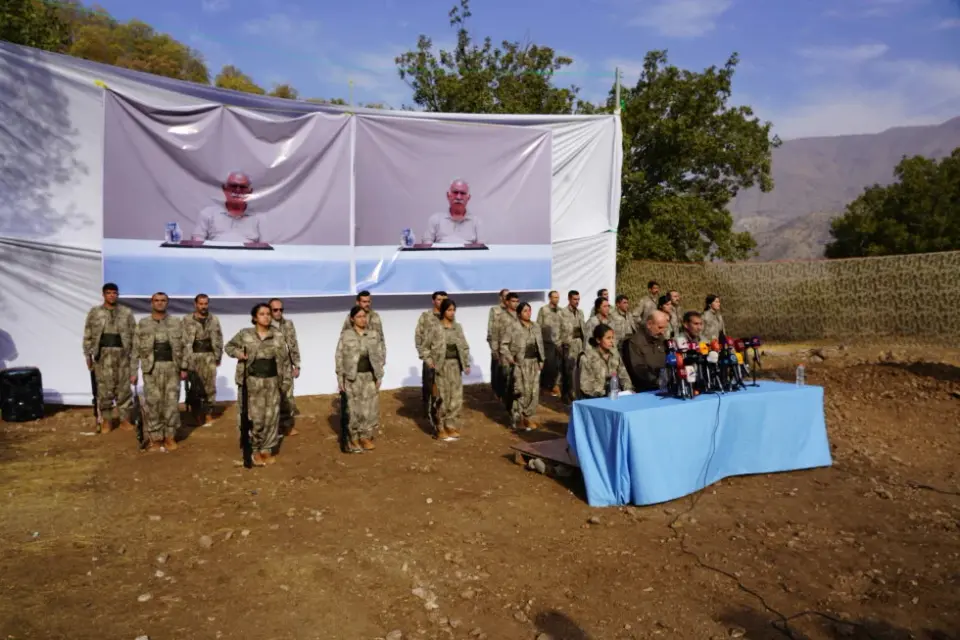
Turkish parliament is set to vote on a draft law offering conditional amnesty to thousands of Kurdistan Workers Party (PKK) militants, marking a pivotal step in Ankara’s peace process. The bill, titled the 'Bill on Strengthening National Solidarity and Social Integration,' suspends prison sentences for up to ten years for those who commit no repeat offenses, effectively granting amnesty for most offenses except intentional homicide and crimes punishable by life imprisonment before 2005. While the measure excludes PKK founder Abdullah Ocalan and senior leaders, it aims to facilitate the return and reintegration of former fighters. The legislation is seen as a historic shift from military to political solutions, though its long-term success remains uncertain due to past failed peace attempts and ongoing regional tensions.
Key points
- The draft law, submitted to the Justice Committee, covers 12 articles and establishes a staggered legal mechanism for amnesty.
- At least 360 lawmakers in the 600-member Turkish legislature have signed the bill, indicating broad support.
- The amnesty excludes 'intentional homicides' and crimes punishable by life imprisonment committed before June 1, 2005.
- A presidential board and a 17-member monitoring committee will oversee the PKK's disarmament and dissolution.
- The bill does not specify the fate of Abdullah Ocalan, who has been in solitary confinement for 27 years.
- The peace process began in October 2024, initiated by MHP leader Devlet Bahceli, and led to the PKK's dissolution in May 2025.
Background
This development follows the PKK's announcement in May 2025 to end its armed campaign and dissolve the organization, following calls by Abdullah Ocalan. The peace process, which began in October 2024, was initiated by MHP leader Devlet Bahceli and involved secret talks between the Turkish government and Ocalan. Previous peace attempts in 2008 and 2012 failed, leading to renewed conflict. The current process is seen as a significant shift from military to political solutions, with the goal of ending decades of violence that has claimed tens of thousands of lives. The bill's passage is also linked to Erdogan's political ambitions, as it could help him secure enough votes to circumvent presidential term limits or call snap elections.
How outlets are covering it
AP News reports that the Turkish parliament has opened debate on a pardon-like bill for thousands of PKK militants, highlighting the conditional nature of the amnesty and the involvement of a presidential board and monitoring committee. Al-Monitor emphasizes the historic nature of the legislation, noting that it is the first time the Turkish state has introduced legislation following direct talks with Ocalan, and discusses the political implications for Erdogan and the Kurdish question. Courthouse News focuses on the broad support for the bill in parliament, noting that at least 360 lawmakers have signed it, and highlights the exclusion of Ocalan and senior leaders from the amnesty. The outlets differ in their emphasis: AP News provides a factual overview of the bill's provisions, Al-Monitor delves into the political and historical context, and Courthouse News focuses on the parliamentary support and the legal mechanisms of the amnesty. All three outlets agree on the significance of the bill as a step toward ending the decades-long conflict, but they differ in their assessment of its potential impact and the sincerity of the government's intentions.
Why it matters
The passage of this bill could mark a significant turning point in Turkey's decades-long conflict with the PKK, potentially leading to a reduction in violence and a shift from military to political solutions. It could also have implications for Erdogan's political future, as it may help him circumvent presidential term limits or call snap elections. The success of the peace process will depend on the government's sincerity and the willingness of both sides to engage in dialogue and compromise. The bill's passage could also have regional implications, potentially easing tensions with Iraq and freeing up resources for other security and economic priorities. However, the long-term success of the peace process remains uncertain due to past failed peace attempts and ongoing regional tensions, including the conflict with Iran and the geopolitical changes following the Hamas attack on Israel.
What to watch
The bill is expected to be voted on in a plenary session as early as Friday, with an expedited procedure. The first batch of returnees will be a key test of the government's sincerity and the process's future. The outcome of the vote will also have implications for Erdogan's political future and the broader Kurdish question. The peace process will need to address issues such as language rights and political equality for Kurds, and the government will need to demonstrate its commitment to a lasting peace. The success of the peace process will depend on the willingness of both sides to engage in dialogue and compromise, and the ability to navigate regional tensions and geopolitical changes.
- Turkey’s parliament opens debate on a pardon-like bill for thousands of PKK militants AP News
- How Turkey's PKK amnesty law entwines Kurds' hopes with Erdogan's ambitions Al-Monitor
- Turkish parliament indicates support for PKK peace bill Courthouse News
- Turkey PKK Peace Bluefield Daily Telegraph
- Can Turkey Resolve the Kurdish Question? Parliament Takes Up Historic Peace Bill TheWire.in
Want the full story? Read the original reporting
Read on AP News