
Brazilian Conjoined Twins Die Minutes After Final Separation Surgery
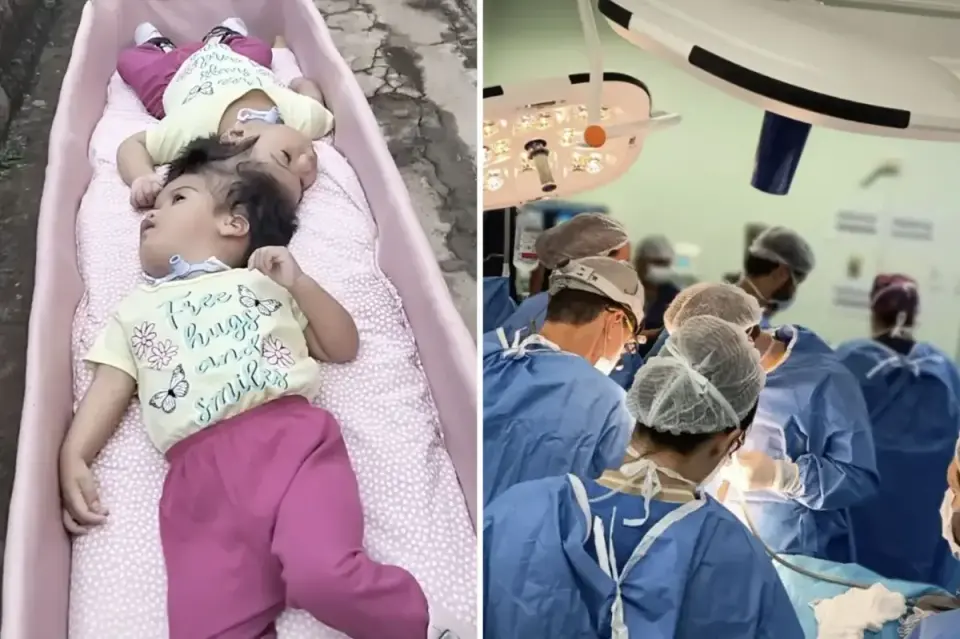
Two-year-old Brazilian conjoined twins Heloísa and Helena Batista da Silva died minutes after their final separation surgery in Ribeirão Preto. The girls, who shared brain tissue and blood vessels, underwent a 15-hour procedure on August 15, 2026. Despite successful prior surgeries, they suffered cardiac arrest and hemodynamic instability immediately after separation, leading to their deaths despite 25 minutes of resuscitation efforts.
Key points
- Heloísa and Helena Batista da Silva, two-year-old conjoined twins born joined at the head in Brazil, died minutes after their fifth and final separation surgery on August 15, 2026.
- The 15-hour operation at Hospital das Clínicas in Ribeirão Preto involved a team of over 50 medical staff.
- The twins shared brain tissue and blood vessels; previous surgeries had successfully separated approximately 75% of this shared tissue.
- Immediately after separation, the girls experienced hemodynamic instability, with one suffering low blood pressure and the other high blood pressure.
- Helena suffered a heart attack at 11:12 pm, followed by Heloísa at 11:26 pm, leading to cardiac and cardiorespiratory arrest.
- Medical teams attempted resuscitation for 25 minutes but were unable to save the girls.
Background
This incident follows a year-long medical journey for the twins, who had successfully completed four prior surgeries to prepare for the final separation. The case highlights the extreme risks associated with separating conjoined twins who share vital brain tissue and vascular systems. Previous archive entries do not provide direct background on this specific case, but general medical contexts regarding pediatric surgical risks and complex congenital conditions may apply.
Why it matters
The death of Heloísa and Helena underscores the severe risks and limitations of current medical capabilities in treating complex conjoined twin cases, particularly those involving shared brain tissue. It highlights the emotional toll on families and the medical community, as well as the ongoing challenges in pediatric surgery for rare and life-threatening conditions.
What to watch
There are no immediate next steps for the twins, as they have passed away. The medical team and hospital may review the case for educational purposes, and the family may seek support or closure. No further legal or public actions are indicated in the source material.
Want the full story? Read the original reporting
Read on New York Post