
UN Human Rights Office Expands Corporate Blacklist to 214 Firms Over Settlements
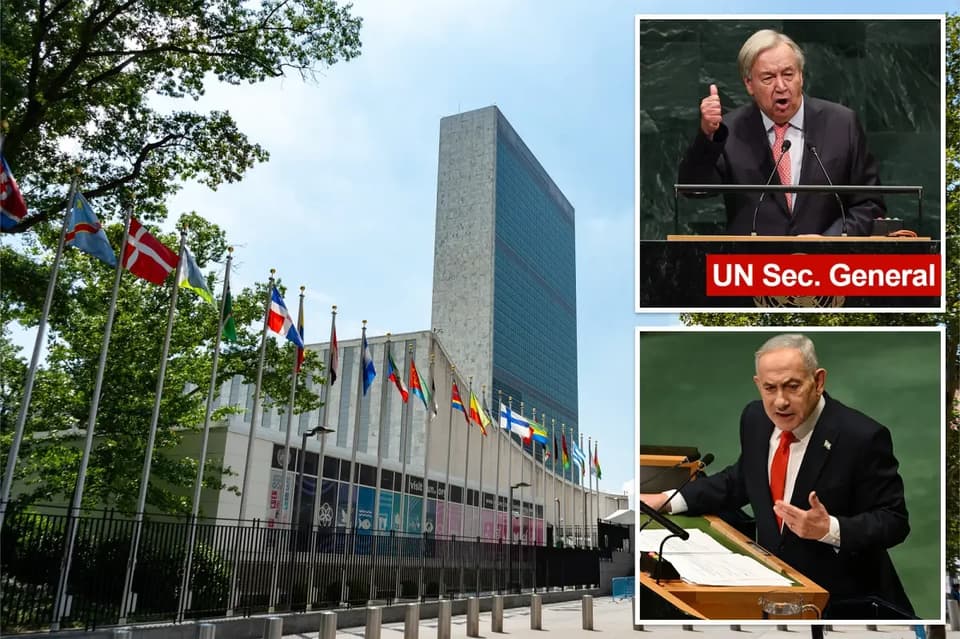
The UN Office of the High Commissioner for Human Rights (OHCHR) added 61 companies to its database of businesses operating in Israeli settlements, bringing the total to 214 firms across 11 countries. The list, which targets companies involved in construction, surveillance, or utilities in occupied territories, has been updated only twice since its 2020 inception. Israel rejected the update as a political smear, while the UN emphasized corporate due diligence responsibilities.
Key points
- The UN added 61 companies to its blacklist, bringing the total to 214 firms based in 11 countries, including major names like Motorola, Airbnb, and Booking.com.
- The database targets companies involved in 10 prohibited activities, such as facilitating settlement construction, supplying surveillance equipment, or providing banking and utility services in occupied territories.
- Five companies were removed from the list in this update, and 126 businesses were assessed, with 14 companies responding to the UN's request for clarification.
- The Israeli government rejected the update, calling it a 'distorted mechanism' and a 'political tool' designed to persecute Israel, while the UN stated the list serves as a reminder of human rights responsibilities.
- The update coincides with recent trade bans by the UK, France, and Canada on Israeli settlements, and follows an ICJ ruling in 2024 declaring Israeli settlements unlawful.
Background
The UN's database of business enterprises was created in 2020 under a UN Human Rights Council resolution. It has been updated only twice since its inception, despite an annual reporting mandate. The list targets companies with activities in Judea and Samaria and eastern Jerusalem, which the UN considers occupied Palestinian territory. The database has faced criticism from Israel, which has called it a political tool, while the UN has defended it as a mechanism to promote human rights due diligence. The update comes amid heightened scrutiny of Israeli settlements, including recent trade bans by European countries and an ICJ ruling in 2024 declaring settlements unlawful.
How outlets are covering it
The UN and its human rights chief, Volker Türk, framed the update as a necessary reminder of corporate human rights responsibilities, emphasizing that companies must conduct due diligence to avoid involvement in violations. The Israeli government, through its mission in Geneva, rejected the update as a 'distorted mechanism' and a 'political tool' designed to persecute Israel, arguing that the list damages the livelihoods of the population it claims to protect. The Guardian and Al Jazeera reported the update neutrally, noting the list's focus on 'name and shame' tactics and the lack of financial impact on listed companies. Al Jazeera highlighted the UN's standard of proof, which requires 'reasonable grounds' rather than criminal-level evidence, and noted the inclusion of companies from 11 countries, including the US, UK, and China. The New York Post reported the update with a focus on Israel's rejection and the UN's 'distorted' framing, while also noting the list's limited updates since 2020.
Why it matters
The expansion of the UN's corporate blacklist signals a growing international effort to hold businesses accountable for their role in occupied territories, particularly as European countries impose trade bans on Israeli settlements. The list's inclusion of major global companies like Motorola and Airbnb could influence corporate policies and investor decisions, while Israel's rejection highlights the ongoing diplomatic and legal disputes over the status of settlements. The update also reflects the UN's attempt to maintain relevance in addressing human rights issues, despite criticism from Israel and its allies.
What to watch
The UN will likely continue to update the database annually, potentially adding more companies as it assesses new cases. Companies listed may face increased scrutiny from investors and consumers, though the financial impact remains unclear. Israel may continue to reject the list as a political tool, while the UN may defend it as a necessary mechanism for promoting human rights. The update may also influence future trade policies and diplomatic discussions, particularly as European countries consider further actions against Israeli settlements.
- UN adds over 60 companies to Israel blacklist New York Post
- UN adds 61 firms to settlements blacklist over alleged human rights violations against Palestinians The Guardian
- U.N. Releases New List of Companies It Says Do Business With Israeli Settlements The New York Times
- UN expands list of firms involved in illegal Israeli settlement activities Al Jazeera
- UN expands list of companies linked to Israeli settlements Reuters
Want the full story? Read the original reporting
Read on New York Post