
Anak Krakatau Eruption Grounds 1,558 Flights Across Indonesia
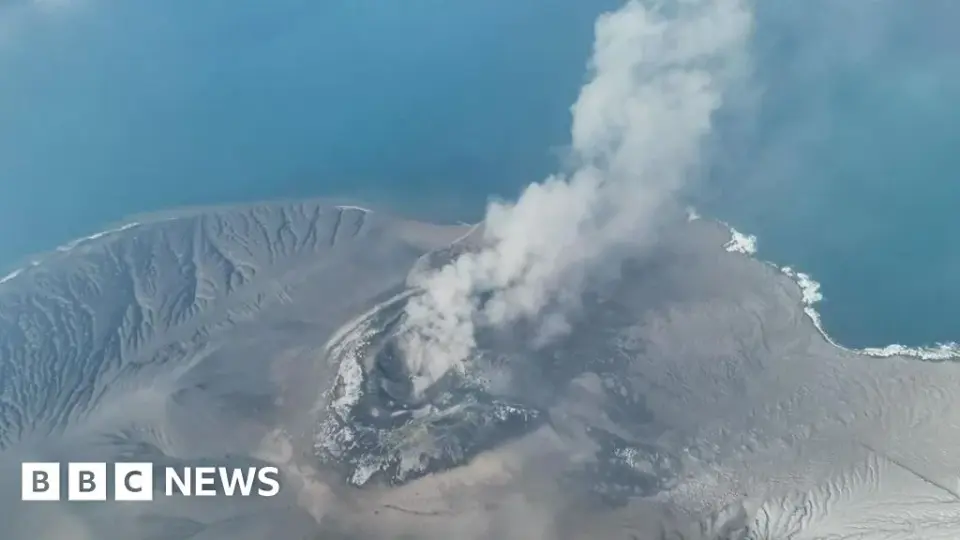
Volcanic ash from Anak Krakatau forced the closure of eight Indonesian airports, stranding approximately 170,000 passengers and delaying over 1,500 flights. The eruption, which began late Friday, produced lava fountains and ash clouds reaching 15,000 meters, disrupting international routes to Singapore, Sydney, and Doha. Authorities urged residents to stay indoors due to respiratory risks, while airlines scrambled to manage refunds and rescheduling. No tsunami warning was issued, but the ash caused eye irritation and school closures in nearby areas.
Key points
- Eight airports, including Jakarta’s Soekarno-Hatta, were closed after ash was detected in airspace near the Anak Krakatau volcano.
- The eruption began late Friday with lava fountains and seismic activity, followed by two more eruptions on Sunday.
- Ash plumes reached 6,000 meters on the Java side and 15,000 meters on the Sumatra side, according to the meteorological agency BMKG.
- Approximately 170,000 passengers were stranded, with 1,558 flights delayed or cancelled, particularly affecting routes to Singapore, Doha, Sydney, and Kuala Lumpur.
- Authorities advised residents to wear masks and stay indoors to protect against respiratory and eye irritation from the ash.
- No tsunami warning was issued, but ships were prohibited from entering a two-mile radius of the volcano.
Background
Anak Krakatau, located in the Sunda Strait between Java and Sumatra, emerged from the sea in the early 20th century within the caldera formed by the 1883 eruption of Mount Krakatau. The volcano collapsed in December 2018, triggering a tsunami that killed over 400 people. Recent activity has intensified since July, with this being the strongest eruption in the current period of unrest.
How outlets are covering it
BBC and The Guardian both reported the closure of eight airports and the stranding of around 170,000 passengers, but The Guardian noted that the ash cloud was heard up to 700km away and mentioned a weather modification operation by the disaster mitigation agency. NBC News emphasized the lack of casualties and the specific timing of the eruption at 3:53 a.m. Sunday, while also highlighting the cascading disruptions to aircraft rotations and fleet availability. All sources agreed on the ash plume heights and the impact on international routes, but The Guardian provided more detail on the economic and operational responses from airlines like Singapore Airlines and Qantas.
Why it matters
The eruption highlights the vulnerability of aviation infrastructure to volcanic activity in the Pacific Ring of Fire, where 75% of the world’s active volcanoes are located. The disruption to major international routes underscores the global interconnectedness of air travel and the potential for localized natural events to have widespread economic and social impacts. Additionally, the health risks posed by volcanic ash, including respiratory and eye irritation, demonstrate the immediate public health concerns associated with such events.
What to watch
Authorities are monitoring the volcano’s activity and may implement further closures or safety measures if ash levels remain high. Airlines are expected to continue managing refunds and rescheduling for affected passengers, while residents in affected areas are advised to remain indoors and wear protective masks. The disaster mitigation agency may proceed with weather modification operations to clear the ash, and ongoing monitoring will determine if further eruptions or larger-scale events are likely.
- Anak Krakatau: Volcano eruption closes eight Indonesian airports BBC
- Indonesia volcano eruption cancels hundreds of flights in major airport hub CBS News
- Volcanic eruption halts flights at Jakarta and seven other Indonesian airports The Guardian
- Indonesia's Anak Krakatau eruption halts flights, schools, fishing Reuters
- Indonesia cancels flights as Anak Krakatau volcano erupts nbcnews.com
Want the full story? Read the original reporting
Read on BBC