
Gyirong rescue stalls as road crews rebuild route through riverbed
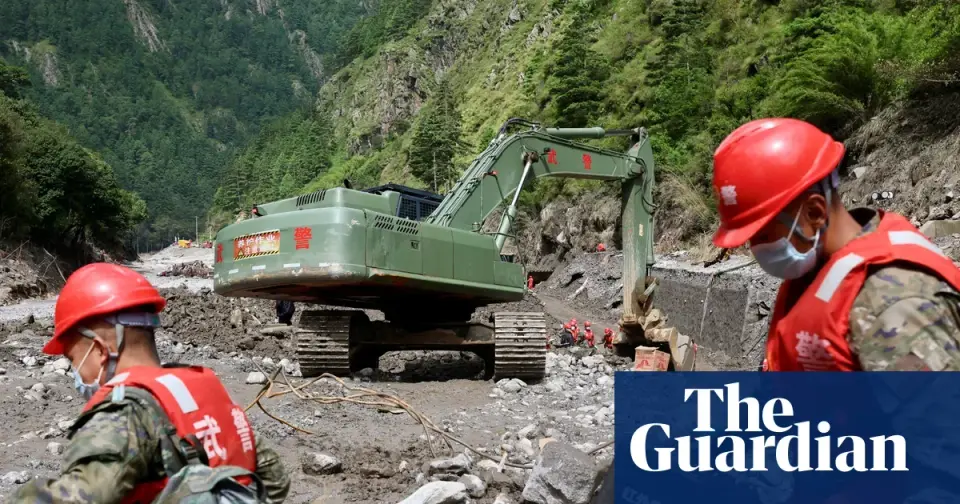
Rescue operations in Gyirong Port, Tibet, have reached a critical bottleneck as crews attempt to clear the final kilometer of the G216 road, which was buried by mud and rock from a glacier collapse. While Chinese authorities report 16 deaths and 261 missing foreigners in their region, Nepali officials confirm 794 deaths and 2,742 injured. International aid continues to flow, with the UK sending a rapid deployment team and the US pledging additional food assistance, though discrepancies remain regarding the number of missing American citizens.
Key points
- Road clearance crews reached the final kilometer of the G216 on Tuesday, facing strong river currents and limited space at a sharp bend.
- Chinese authorities mobilized 2,141 rescuers and 3,922 pieces of equipment, allocating 220 million yuan for relief efforts.
- Nepal confirmed 794 deaths and 2,742 injured, while China reported 16 deaths and 546 missing in Gyirong County.
- The US State Department disputes Chinese figures, stating at least 85 US citizens are missing, compared to 18 listed by Beijing.
- China has sent 50 tonnes of relief supplies and tunnel rescue experts to Nepal, sharing satellite data and hydrological warnings.
Background
This disaster began on August 26, 2026, when a massive glacier collapse triggered flash floods across the Nepal-Tibet border. Earlier coverage noted that King Charles and Queen Camilla expressed heartbreak over the loss of life, while initial reports indicated over 1,300 people missing. The situation has evolved from immediate shock to a complex logistical challenge, with rescue efforts now focused on rebuilding infrastructure and managing secondary disaster risks.
How outlets are covering it
The Guardian highlights the human toll, noting 15 missing Britons in China and 33 in Nepal, and raises concerns about Chinese transparency regarding casualty figures. In contrast, CGTN emphasizes the technical difficulty of the rescue, describing how crews are effectively building a new road in the river using gabion cages due to altered channels. Global Times focuses on ongoing geological risks, citing China's Ministry of Water Resources that glaciers around the impact crater remain susceptible to collapse, despite the crater water largely draining. While the US State Department cites 85 missing Americans, Chinese authorities list only 18, a discrepancy attributed by US officials to the difficulty of gathering accurate information in the remote, devastated region.
Why it matters
The event underscores the vulnerability of border regions to climate-driven glacial events and the complexities of international disaster response. The logistical challenges in Gyirong, including the need to reconstruct roads in riverbeds, highlight the severe infrastructure damage caused by such events. Additionally, the discrepancies in casualty reports between nations raise questions about information transparency and coordination in cross-border emergencies.
What to watch
Rescue teams will continue clearing the G216 road, with plans to install 40 power poles to restore electricity. Authorities are monitoring eight high-risk landslide areas using satellite remote sensing and drones. China will continue to search for missing persons and coordinate with Nepal on identification and follow-up arrangements. The UK and US will maintain their aid operations, with the UK's rapid deployment team already in Kathmandu.
- Fifteen Britons among 261 foreigners missing in China after floods The Guardian
- China warns of ‘major’ glacier collapse risk as landslide death toll nears 1,000 scmp.com
- Road crews hit toughest stretch in Gyirong mudslide rescue news.cgtn.com
- Drone image shows glaciers around impact crater on Chhochen Khola River in Nepal still at risk of collapse: China’s ministry of water resources Global Times
- China Says 261 Foreigners From 23 Countries Are Missing in Tibet Flood The New York Times
Want the full story? Read the original reporting
Read on The Guardian