
El Salvador escalates Haiti rescue with special forces as gang leader vows to fight
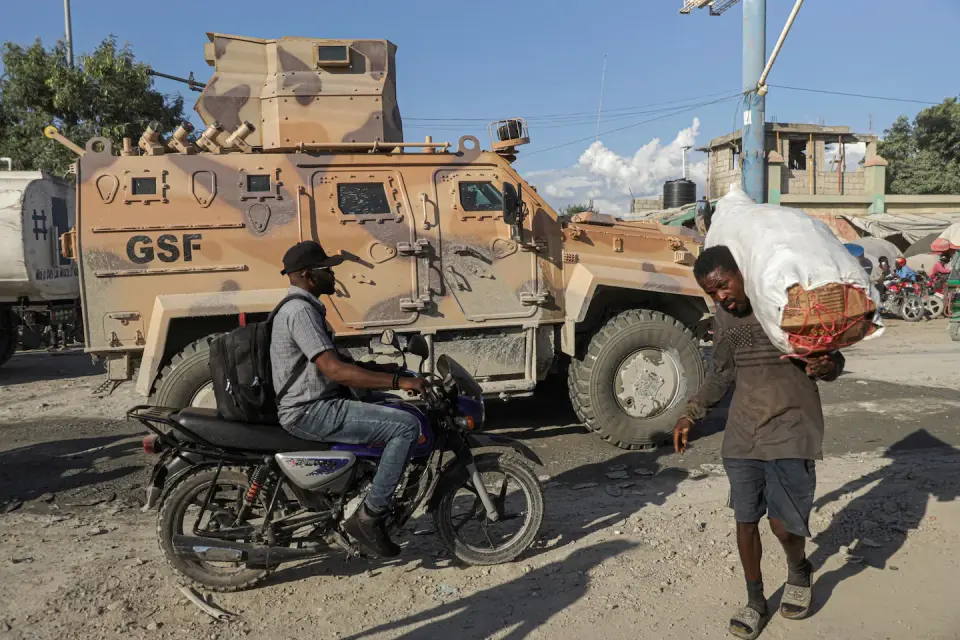
El Salvador has deployed approximately 100 special forces troops to Haiti to rescue four aviation technicians missing since an October 18 ambush by gangs in Croix-des-Bouquets. President Nayib Bukele warned that further military action is imminent if the hostages are not returned alive. The incident marks the first major loss for the UN-backed Gang Suppression Force (GSF) since its April 2026 deployment, escalating tensions between international peacekeepers and entrenched armed groups. While the GSF has reported seven gang member deaths and four personnel wounded during search operations, no group has officially claimed responsibility for the abduction. The crisis highlights the GSF's logistical challenges and the severe security vacuum in Port-au-Prince, where gangs control roughly 85% of the capital.
Key points
- Four non-combatant aviation technicians from El Salvador were ambushed on October 18 while returning from a market in Croix-des-Bouquets, a gang-controlled area outside Port-au-Prince.
- El Salvador deployed a 100-strong special forces team to Haiti to support the rescue, with additional troops expected to arrive in the coming days.
- President Nayib Bukele issued a stern warning to gang leaders, stating that El Salvador has already defeated gangs domestically and will apply similar force in Haiti if the hostages are not released alive.
- The GSF has engaged in armed clashes during the search, resulting in at least seven gang member deaths and four GSF personnel wounded, though no gang has claimed responsibility for the initial ambush.
- Gang leader Lanmò Sanjou responded to Bukele’s threats by filming himself with ammunition and vowing to 'fight to stay alive,' indicating a potential escalation of violence.
Background
The Gang Suppression Force (GSF) was established by the UN Security Council in 2025 to address Haiti’s escalating gang violence, which has killed over 22,000 people since the 2021 assassination of President Jovenel Moise. The mission, funded by a UN trust fund, aims to deploy 5,500 personnel but has faced significant delays, reaching only 2,000 troops by late 2026. El Salvador’s contingent primarily handles medical evacuations and logistics. Previous coverage noted that the GSF’s slow deployment and logistical issues led to initial skepticism from local experts, who feared the force would be underwhelming. The current crisis is viewed as a critical flashpoint that may force the international community to accelerate its commitment to the mission.
How outlets are covering it
The Washington Post and BBC emphasize the diplomatic and military escalation, focusing on Bukele’s threats and the deployment of special forces. CNN highlights the operational details, noting the 100-strong team and the GSF’s confirmation of the deployment. The New York Times provides a broader strategic analysis, framing the incident as a 'wake-up call' for the international community and questioning the GSF’s effectiveness due to late deployments and logistical hurdles. While all sources agree on the basic facts of the ambush and rescue effort, the NYT criticizes the GSF’s slow progress, whereas the Post and BBC focus more on the immediate political tension between El Salvador and Haitian gangs. The BBC notes that the technicians were described as non-combatants, a detail emphasized by Bukele to justify the rescue operation.
Why it matters
This incident marks the first major casualty event for the GSF, signaling a potential shift from a slow, underwhelming peacekeeping mission to a direct military confrontation. The escalation could destabilize the fragile security situation in Port-au-Prince and test the limits of international intervention in Haiti. If the rescue fails or results in further violence, it may undermine the GSF’s credibility and delay the planned elections, which have already been postponed indefinitely. The standoff also raises questions about the sustainability of the mission, given the GSF’s current underfunding and delayed troop contributions.
What to watch
El Salvador is expected to deploy additional troops in the coming days to support the rescue operation. The GSF will continue its search in Croix-des-Bouquets, a key gang stronghold, while monitoring for further gang retaliation. International observers will watch for any signs of a broader conflict between the GSF and armed groups. The outcome of the rescue will likely influence the UN’s commitment to the mission and the timeline for future deployments. Bukele has indicated that the intensity of the operation will increase if the hostages are not returned alive, suggesting a potential escalation in military activity.
- El Salvador sends special forces to search for troops missing in Haiti The Washington Post
- El Salvador sends troops to Haiti to rescue four service members CNN
- Ambush of Salvadoran Soldiers Escalates Haiti’s Anti-Gang Mission The New York Times
- El Salvador's president threatens Haitian gangs over military hostages BBC
- Salvadoran troops land in Haiti aboard Pentagon plane amid crisis over ambushed soldiers Miami Herald
Want the full story? Read the original reporting
Read on The Washington Post