
France's School Blockades Escalate as Government Concessions Fail to Halt Youth Unrest
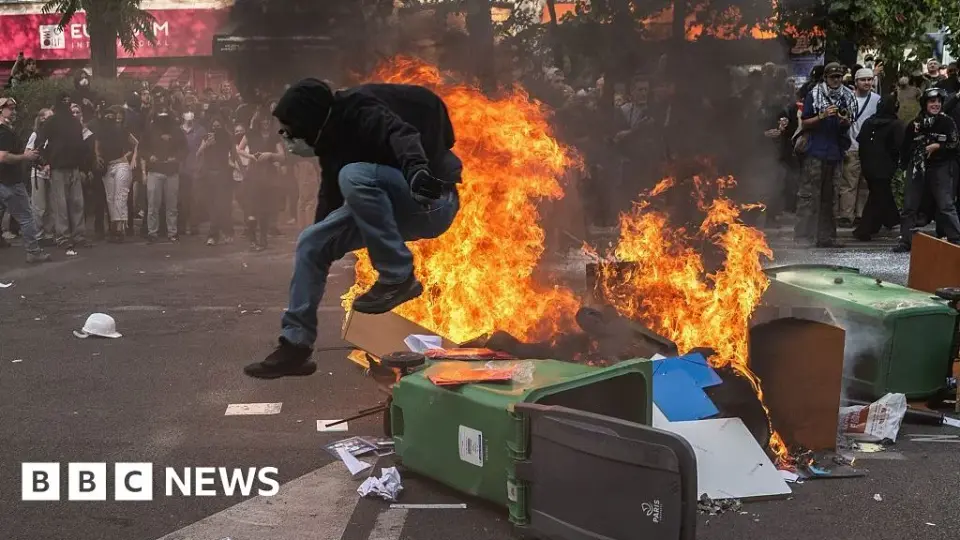
Massive student protests across France have intensified over deteriorating school conditions, staff shortages, and overcrowded classrooms. Despite government promises of 3,000 extra teachers and budget increases, blockades continue in hundreds of schools. The unrest has turned violent, with thousands of arrests and injuries, including a teenager losing a hand to a police stun grenade. The crisis has become a focal point for political polarization ahead of the 2027 presidential election, with the far-left and far-right exploiting the government's inability to resolve the issue.
Key points
- Protests began in late September at a school in Créteil and spread to 640 lycées and 30 universities across 40 cities.
- Students demand repairs for dilapidated facilities, reduced class sizes (currently averaging 35 pupils), more teachers, and a shorter school day.
- The government pledged 3,000 extra supply teachers and a 64 billion euro education budget, but students remain unconvinced.
- Violence has escalated, with nearly 7,000 arrests (85% minors) and over 700 police injuries; a 15-year-old lost a hand in Lens.
- The crisis is exacerbating political polarization, with Jean-Luc Mélenchon supporting protesters and Marine Le Pen condemning vandalism.
Background
This unrest follows a period of rising cost-of-living pressures and a 'polycrisis' involving fuel prices and agricultural hardship. Previous coverage noted that Prime Minister Sébastien Lecornu had already pledged reforms and fuel releases in early October, but these measures failed to prevent the escalation of student blockades. The current situation mirrors historical unrest like the 2018 gilets jaunes movement, but with a distinct focus on educational infrastructure and youth alienation.
How outlets are covering it
BBC and The New Yorker emphasize the systemic nature of the crisis, highlighting that even schools without visible issues like rats are perceived as failing by students. CNN focuses on the immediate police response and the government's budgetary constraints, noting that the education budget increase is below inflation. The New Yorker adds nuance regarding the movement's origins in diverse, working-class suburbs and its spread to elite private schools, challenging narratives that blame 'urban violence' or external agitators. While police unions cite 'radicalized' political climates and outside agitators, rights groups and unions accuse police of heavy-handed tactics against minors, including the use of tear gas and stun grenades. Political figures are divided: Mélenchon is seen as a key supporter, while Le Pen condemns the damage and suggests parents should pay for repairs, a stance criticized by others as ignoring the root causes of the unrest.
Why it matters
The protests threaten to destabilize France ahead of the 2027 presidential election, with polling showing a shift toward political extremes. The inability of the government to address basic educational needs risks alienating a generation, potentially undermining faith in democratic institutions. The financial constraints of the state, with debt servicing costs exceeding the education budget, limit the government's ability to implement quick fixes, making the crisis a long-term political liability.
What to watch
Student unions have called for further protests on October 17, and the government is expected to unveil a detailed plan by the end of October. The debate over the 'casseur-payeur' principle (those who break must pay) and the potential for a broader coalition with gilets jaunes protesters will likely dominate the coming weeks. The outcome of these negotiations will influence the political landscape for the 2027 election, where Marine Le Pen is currently the frontrunner.
- 'Everyone hates the police' – what France's school protests reveal about a divided nation BBC
- The week in 30 photos CNN
- French student protesters vow to keep up their fight after scoring first win Reuters
- France’s Long, Fervent History of Protest The New York Times
- The French Student Protesters’ Demands Are Extremely Clear The New Yorker
Want the full story? Read the original reporting
Read on BBC