
Hamburg Trial Begins for Ukrainian Accused of Nord Stream Sabotage
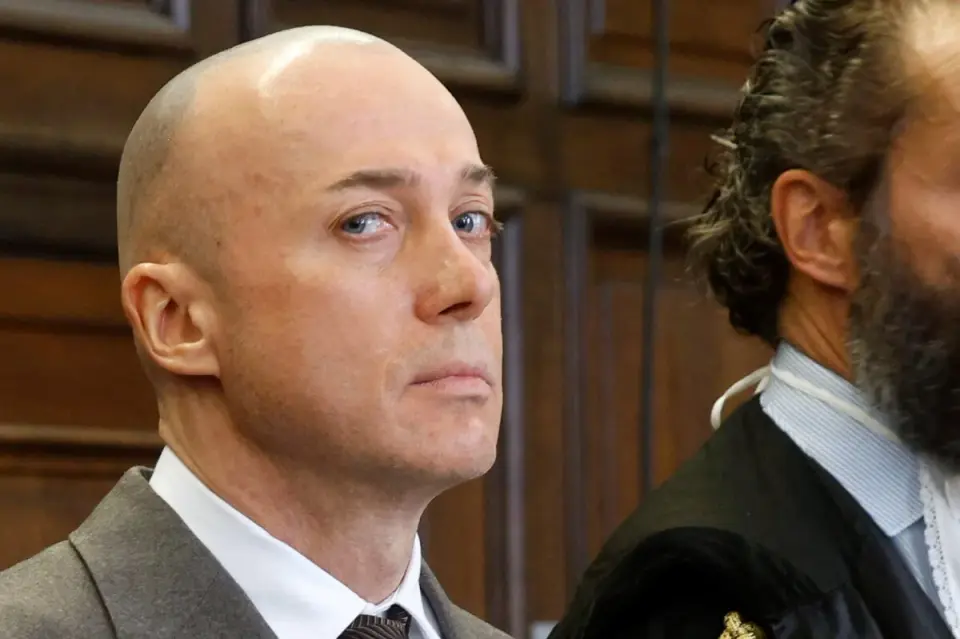
Serhii Kuznetsov, a former Ukrainian special forces officer, began trial in Hamburg on October 14, 2026, accused of leading a team that destroyed the Nord Stream gas pipelines in September 2022. German prosecutors allege he acted on orders from Ukrainian state agencies to cut off Russian gas revenue, while he and Kyiv deny involvement. The case highlights a diplomatic rift, with Berlin emphasizing judicial independence over political relations.
Key points
- Serhii Kuznetsov, 50, was extradited from Italy to Germany in November 2025 after being arrested in August 2025.
- Prosecutors allege he led a team of divers to detonate explosives on the Nord Stream pipelines near Bornholm, Denmark.
- The explosions damaged Nord Stream 1 and 2, cutting off Russian gas supplies to Germany.
- Kuznetsov's lawyers argue the trial should be dismissed, citing his military status and lack of evidence.
- A second suspect, Volodymyr Zhuravlov, is awaiting extradition from Croatia after a Polish court refused to hand him over.
Background
The Nord Stream pipelines were a major point of contention between Russia and Europe, with the U.S. and some allies warning that they increased dependence on Russian gas. The pipelines were damaged in September 2022, shortly after Russia's full-scale invasion of Ukraine. Western countries initially blamed Russia, but Russia denied involvement and accused the U.S. and UK of staging the explosions. Ukrainian President Volodymyr Zelenskyy has consistently denied any role in the blasts.
How outlets are covering it
AP News and The Guardian report that Kuznetsov's lawyers argued for dismissal, citing his military status and lack of evidence. CNN and BBC provide background on the case, noting the diplomatic tension between Berlin and Kyiv. The Guardian highlights the far-right AfD party's use of the case to argue against German aid for Ukraine, while BBC notes the Polish court's refusal to extradite Zhuravlov, citing the attack as a justified wartime response.
Why it matters
The trial highlights the complex diplomatic and legal issues surrounding the Nord Stream sabotage, with implications for Germany-Ukraine relations and the broader conflict in Ukraine. The case also raises questions about the role of state actors in wartime sabotage and the limits of international law.
What to watch
The trial is expected to continue through December 2026, with additional hearings planned for January 2027. The verdict is not yet known, and the case may have significant implications for Germany-Ukraine relations and the broader conflict in Ukraine.
- Ukrainian ex-army officer’s lawyers seek dismissal as Nord Stream pipeline blast trial opens AP News
- Ukrainian soldier led team of divers to blow up Nord Stream gas pipelines, court hears The Guardian
- A trial over one of the biggest acts of sabotage in decades is getting underway. Here’s a refresher CNN
- Germany puts Ukrainian on trial accused of blowing up Nord Stream pipelines BBC
- Lawyers at start of Nord Stream trial argue bombing may not have been a crime Reuters
Want the full story? Read the original reporting
Read on AP News