
GFS Pride Sinks in Hormuz as Iran Escalates Shipping Attacks Amid US Election Tensions
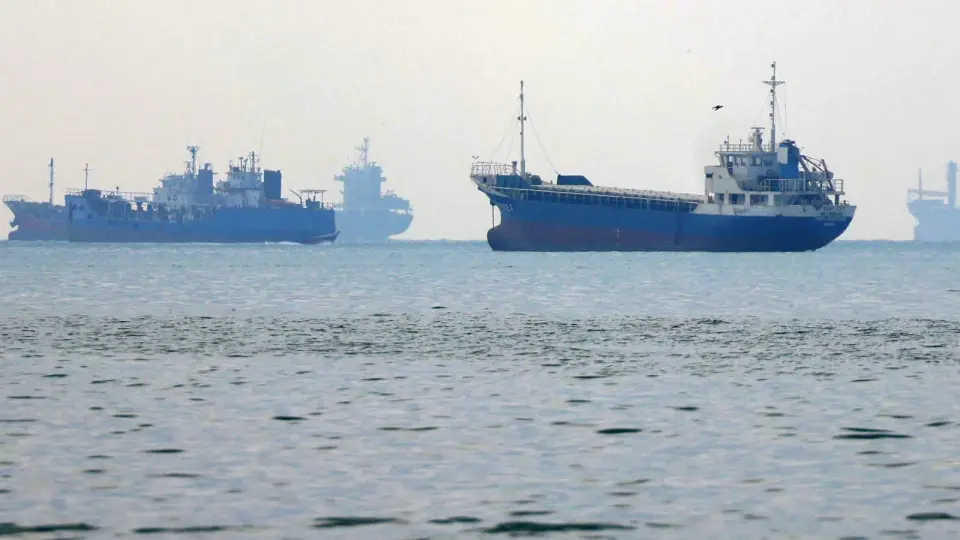
The Singapore-registered container ship GFS Pride sank in the Strait of Hormuz on Wednesday after being struck by an unidentified projectile. While all 21 crew members were evacuated safely, the incident marks a significant escalation in Iranian attacks on commercial vessels. Crude oil exports through the strait have dropped nearly 40% below pre-war levels, with officials suggesting Iran is intensifying its campaign to disrupt shipping ahead of the US midterm elections.
Key points
- The GFS Pride, a container ship carrying over 2,500 units, sank after hitting a naval mine or projectile, according to conflicting reports.
- All 21 crew members were safely evacuated with no injuries reported, per the Maritime and Port Authority of Singapore.
- Crude oil exports through Hormuz averaged 8.5 million barrels per day in the week ending Oct. 12, nearly 40% below normal pre-war levels.
- More than 20 vessels, mostly oil tankers, have been attacked in the region this month, leaving two sailors missing and 12 injured.
- Iran’s Revolutionary Guard claimed the ship hit a naval mine, but maritime security firm Marisks called this a psychological operation to discourage shipping.
Background
This incident follows a series of maritime disruptions in the Gulf region, including a September attack on an Iranian commercial ship and recent Houthi strikes on Saudi Aramco facilities. Earlier this month, Iranian IRGC chief Ali Ozmaei vowed to sink US warships in the Strait of Hormuz, while US President Trump stated no military strikes on Iran would occur before the November 3 midterm elections. The current escalation in attacks coincides with heightened US-Iran tensions and stalled diplomatic talks over US compliance with prior agreements.
How outlets are covering it
CNBC and Yahoo both report the sinking of the GFS Pride but differ on the cause. CNBC notes the ship was struck by an 'unidentified projectile' and caught fire, while Iran’s Revolutionary Guard claimed it hit a naval mine. Marisks, cited by CNBC, disputes the mine claim, calling it part of a psychological campaign to generate fear. Yahoo emphasizes that Iran is shifting tactics to step up attacks before the US vote, suggesting a strategic timing element. Both sources agree on the broader impact: a sharp decline in oil exports and increased maritime insecurity in the region.
Why it matters
The sinking of the GFS Pride and the broader escalation in attacks on commercial vessels threaten to disrupt global energy supplies and increase oil prices. With crude exports through Hormuz down nearly 40% from pre-war levels, the incident underscores the vulnerability of the world’s most critical oil chokepoint. As Iran intensifies its campaign ahead of the US midterm elections, the risk of further maritime disruptions and potential military escalation in the region remains high.
What to watch
Maritime security firms and international bodies are expected to monitor the situation closely for further attacks on commercial vessels. Oil prices may continue to fluctuate as shipping routes are rerouted or suspended. Diplomatic efforts to de-escalate tensions between the US and Iran may resume, though stalled talks suggest limited progress in the near term. The US military may adjust its guidance of tankers through the strait in response to the increased threat environment.
- Container ship sinks in Strait of Hormuz as Iran steps up attacks CNBC
- Oil prices steady after gains on Iran's new tactics to target tankers Reuters
- Two Cargo Ships Sink Near Strait of Hormuz, as Iranian Attacks Increase WSJ
- Iran shifting tactics to step up attacks on shipping before US vote, officials say Yahoo
- Oil Prices Rise as Iran Steps Up Attacks and Houthi-Saudi Fighting Intensifies The New York Times
Want the full story? Read the original reporting
Read on CNBC