
Magnitude 5.7 Quake Injures 22 in Central Japan, Disrupts Bullet Trains
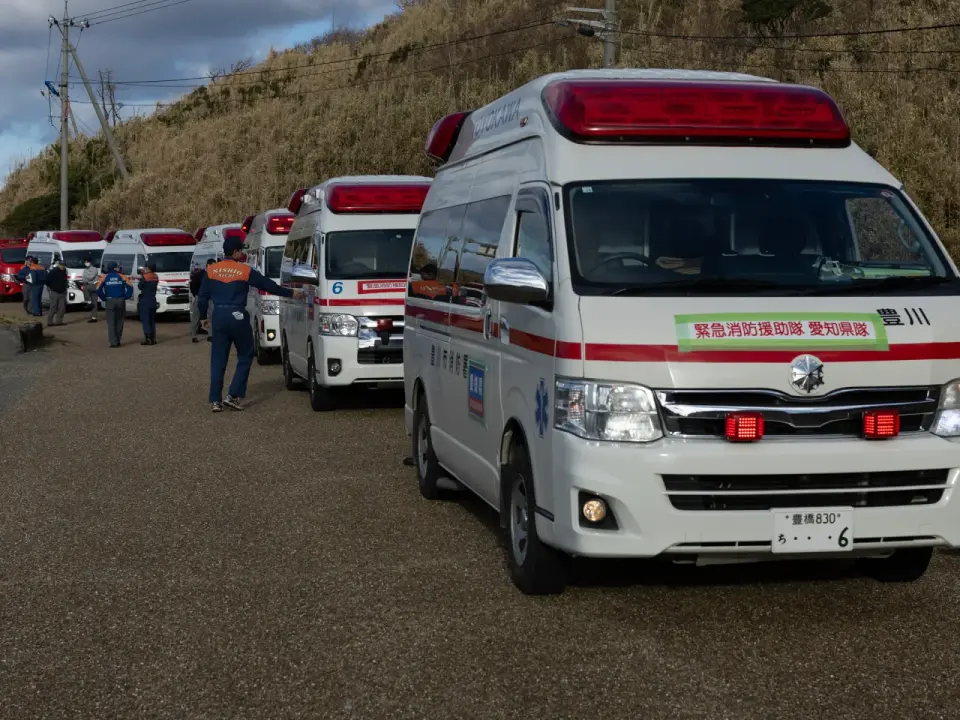
A magnitude 5.7 earthquake struck western Shizuoka Prefecture at 1:04 a.m. local time on November 8, injuring at least 22 people across Aichi and Shizuoka. The tremor, located 40 kilometers deep, caused shattered windows and displaced furniture but did not trigger a tsunami. Authorities warned of potential aftershocks and mudslides, while Shinkansen services were slowed as a precaution.
Key points
- The Japan Meteorological Agency recorded the quake at magnitude 5.7, while the US Geological Survey reported it as 5.5.
- At least 22 people were injured, primarily from falling objects and slips during evacuation, with no fatalities reported.
- The quake registered an intensity of upper 5 in Chita, Aichi, the highest level recorded in the prefecture since 1997.
- No abnormalities were detected at the Hamaoka nuclear power plant, and the Nankai Trough showed no significant changes.
- Shinkansen bullet trains on the Tokaido line operated at reduced speeds between Shizuoka and Gifu-Hashima before resuming normal operations by noon.
Background
Japan is located in a seismically active region, with recent events including a magnitude 7.0 deep Pacific quake near the Ogasawara Islands in October 2026. The current event is distinct from the 7.7-magnitude earthquake in Panama in October 2026, which caused building collapses and tsunami warnings. This quake is the strongest to hit Aichi Prefecture in approximately three decades, surpassing the 1997 event.
How outlets are covering it
Al Jazeera and AP News emphasize the immediate impact, including injuries and structural damage, while Japan Today highlights the historical significance of the quake being the strongest in Aichi in 30 years. ABC News provides a brief summary of the event. All sources agree on the magnitude and location but differ in emphasis: Al Jazeera and AP focus on the human impact and aftershock warnings, while Japan Today notes the low probability of a link to a Nankai Trough megaquake and the safety of the Hamaoka nuclear plant.
Why it matters
The quake underscores Japan's ongoing vulnerability to seismic activity, particularly in regions near the Nankai Trough. The disruption of bullet train services and the warning of aftershocks highlight the need for continued preparedness and infrastructure resilience. The event also serves as a reminder of the potential for significant damage even without a tsunami, as seen in the shattered windows and displaced furniture.
What to watch
Authorities are monitoring for aftershocks, especially in the next two to three days, and have warned residents to be cautious of mudslides and falling rocks. The central government has set up a liaison office to coordinate the response. Shinkansen services have resumed normal operations, but precautionary measures remain in place. Residents are advised to continue following safety guidelines, including securing furniture and having emergency supplies ready.
- Earthquake hits central Japan, injuring more than 20 people Al Jazeera
- Strong earthquake shakes central Japan, shattering store windows and injuring at least 22 AP News
- M5.7 quake strikes central Japan; over 20 injured Japan Today
- Strong magnitude 6.1 earthquake rattles Japanese coast near Tokyo FOX Weather
- A strong earthquake with a preliminary magnitude of 5.7 strikes Japan, meteorological agency says ABC News - Breaking News, Latest News and Videos
Want the full story? Read the original reporting
Read on Al Jazeera