
Rescuers finally board MV June Aster 40 hours after fire
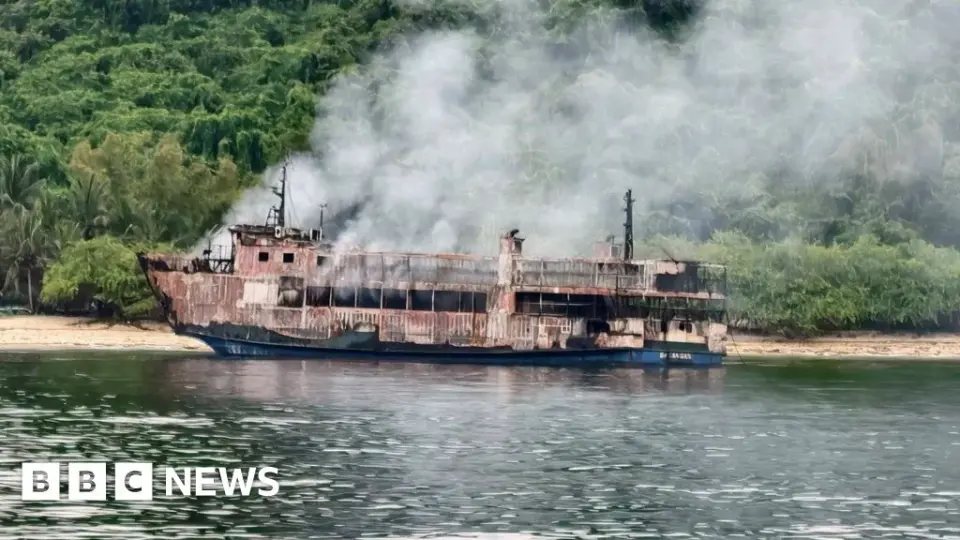
Philippine coast guard teams finally boarded the charred MV June Aster on Friday, 40 hours after a fire broke out near Coron. While 43 people have been rescued and five confirmed dead, 84 remain missing. Investigators are probing cargo hold origins and manifest discrepancies, though the vessel had passed a recent safety inspection.
Key points
- Coast guard personnel boarded the vessel at 11:30 local time on Friday after thick smoke and toxic fumes prevented access for 40 hours.
- Current official figures show 43 rescued, five confirmed dead, and 84 missing, with two individuals on the manifest confirmed not to have boarded.
- The fire, which began on Wednesday evening, is believed to have started in the cargo hold based on survivor interviews.
- The 2002-built vessel held valid safety certificates and passed an inspection in March, but authorities are investigating manifest and loading issues.
- Rescuers are using divers, nurses, and aerial surveys to widen the search area around the disaster site.
Background
The MV June Aster caught fire on Wednesday while traveling from Manila to Coron, Palawan. Earlier reports indicated the vessel carried 134 people, including 117 passengers and 17 crew. Initial rescue efforts were hampered by weather, currents, and the intense heat and smoke from the burning ship. Previous updates noted the recovery of charred remains and the ongoing 'whole-of-government' approach to the crisis.
How outlets are covering it
BBC and AP News provide consistent details on the timeline and casualty figures, confirming the 40-hour delay in boarding due to hazardous conditions. BBC highlights the specific challenges of toxic smoke and carbon monoxide, while AP focuses on the recovery of remains. ABC News was unavailable for this update. All sources agree that the fire likely originated in the cargo hold, though the operator, Atienza Interisland Ferries, maintains the vessel had valid safety certifications.
Why it matters
This incident highlights critical safety gaps in Philippine maritime transport, where ferries are a primary mode of transport. The delay in boarding due to toxic fumes underscores the risks faced by rescue personnel and the potential for higher casualty counts in enclosed cargo spaces. The investigation into manifest discrepancies and emergency protocols may lead to stricter enforcement of maritime safety standards in the archipelago.
What to watch
Authorities plan to resume firefighting efforts, starting with the cargo hold. The search area has been widened, and divers are on standby. The maritime authority will continue investigating the cause of the fire, focusing on cargo loading integrity and crew response protocols.
- Philippine rescuers board burning ferry 40 hours after blaze began BBC
- Death toll from Philippines ferry fire climbs to 35, with dozens still missing BBC
- Bodies from charred Philippine ferry arrive at port after fire that killed at least 35 AP News
- Philippines deploys vessels as rescuers seek access to burned ferry reuters.com
- Death toll in Philippine ferry fire rises to 35 as more bodies are recovered ABC News - Breaking News, Latest News and Videos
Want the full story? Read the original reporting
Read on BBC