
FSB Issues International Warrant for Telegram Founder Durov Over Terrorism Charges
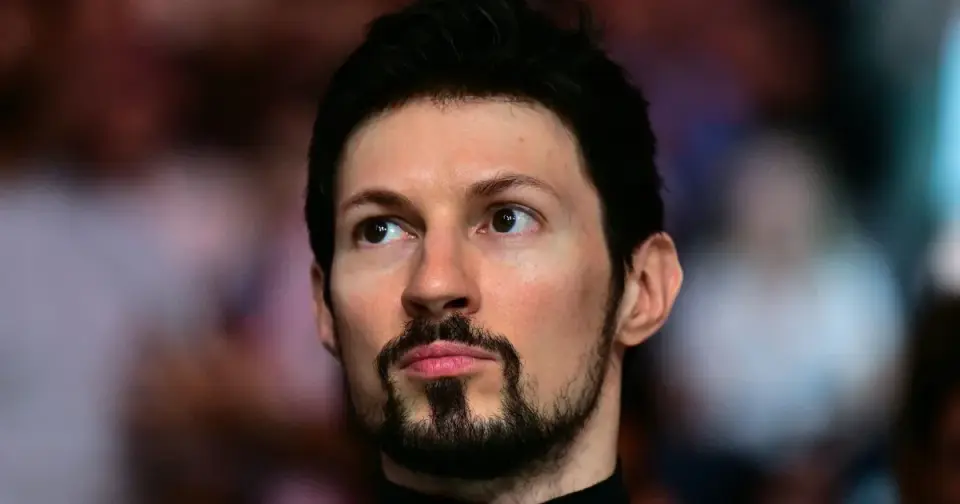
Russia’s Federal Security Service (FSB) has charged Pavel Durov, the founder of Telegram, with aiding terrorism and issued an international arrest warrant. The agency alleges that Telegram failed to remove content used by Ukrainian intelligence and extremist groups to coordinate sabotage and cyber fraud within Russia. Durov, who holds dual French and UAE citizenship and resides in Dubai, faces potential life imprisonment if convicted. This move escalates Moscow’s ongoing campaign to restrict independent digital communications, which has intensified since the 2022 invasion of Ukraine. While the Kremlin promotes its state-backed alternative, MAX, critics note that Russian military and officials still rely on Telegram for communication despite the restrictions.
Key points
- The FSB accused Telegram of failing to remove channels and bots allegedly used by Ukrainian security services and terrorist organizations to plan sabotage, mass murder, and cyber fraud in Russia.
- An international arrest warrant has been issued for Durov, who was born in Russia but now lives in Dubai with dual French and UAE citizenship.
- The FSB claimed that 46 individuals, aged 12 to 22, were detained since July 2025 for acts including arson and assaulting law enforcement, allegedly after being recruited through a dating chatbot on Telegram.
- Durov previously accused Russian authorities of fabricating pretexts to restrict Telegram and suppress free speech, though he remains under formal investigation in France for alleged failures to remove illegal content.
- Telegram’s official account on X responded to the warrant by posting an image of Durov giving the middle finger to the camera.
Background
This development follows a long-standing conflict between the Kremlin and Telegram, which Durov founded in 2013. Russia previously attempted to block the platform between 2018 and 2020 but failed. Since the full-scale invasion of Ukraine in 2022, Moscow has intensified efforts to bring the internet under state control, banning platforms like Facebook, Instagram, and X, while throttling YouTube and blocking Signal and Viber. The state promotes MAX, a domestic messaging app that lacks end-to-end encryption and shares user data with authorities. Durov left Russia in 2014 after refusing to remove opposition pages from his earlier platform, VKontakte, which is now controlled by Kremlin-friendly companies. He was arrested in Paris in 2024 over allegations of allowing illicit activity on Telegram, including drug trafficking and child sexual abuse material distribution, and was released in 2025.
How outlets are covering it
The FSB frames the charges as a necessary response to national security threats, citing specific incidents of sabotage and recruitment via Telegram. In contrast, Durov and his supporters view the charges as a pretext to suppress privacy and free speech, arguing that the investigation is politically motivated. The New York Times highlights the broader global trend of governments attempting to rein in Telegram due to its role in criminal activity and disinformation, while The Guardian notes the irony that Russian officials and military bloggers continue to use the platform despite official restrictions. The Moscow Times emphasizes the legal consequences, noting that the charge carries a maximum sentence of 15 years, though other outlets report potential life imprisonment. Telegram itself has not issued a formal statement but responded with a defiant image on social media.
Why it matters
The issuance of an international arrest warrant for a prominent tech founder signals a significant escalation in Russia’s digital sovereignty campaign. It underscores the growing tension between global tech platforms and authoritarian regimes seeking to control information flows. The case also highlights the complex legal challenges faced by tech leaders operating in jurisdictions with conflicting regulatory demands, as Durov faces simultaneous investigations in Russia and France. Furthermore, the move may impact the reliability of Telegram as a communication tool for Russian citizens, military personnel, and activists, potentially driving further adoption of state-controlled alternatives like MAX.
What to watch
It remains unclear whether other countries will honor the Russian arrest warrant, given Durov’s residence in Dubai and his dual citizenship. French prosecutors have indicated that Durov remains under formal investigation, with recent questioning occurring this month. The Kremlin may continue to intensify restrictions on Telegram, including further throttling or blocking, while promoting MAX as a compliant alternative. Durov’s legal team may seek to challenge the charges or seek diplomatic protection, while Telegram could face increased pressure to implement stricter content moderation in Russia to avoid further penalties.
- Russia charges Telegram founder Pavel Durov with aiding terrorism and puts him on wanted list NBC News
- Russia Charges Telegram’s Founder With Facilitating Terrorism The New York Times
- Russia charges Telegram founder Durov with aiding terrorism, he gives Moscow the finger reuters.com
- Russia accuses Telegram founder of aiding terrorism in its latest online crackdown theguardian.com
- FSB Issues Arrest Warrant for Pavel Durov for Aiding Terrorism The Moscow Times
Want the full story? Read the original reporting
Read on NBC News