
Uganda Launches Phased Troop Withdrawal from Somalia, Handing Security to Local Forces by 2027
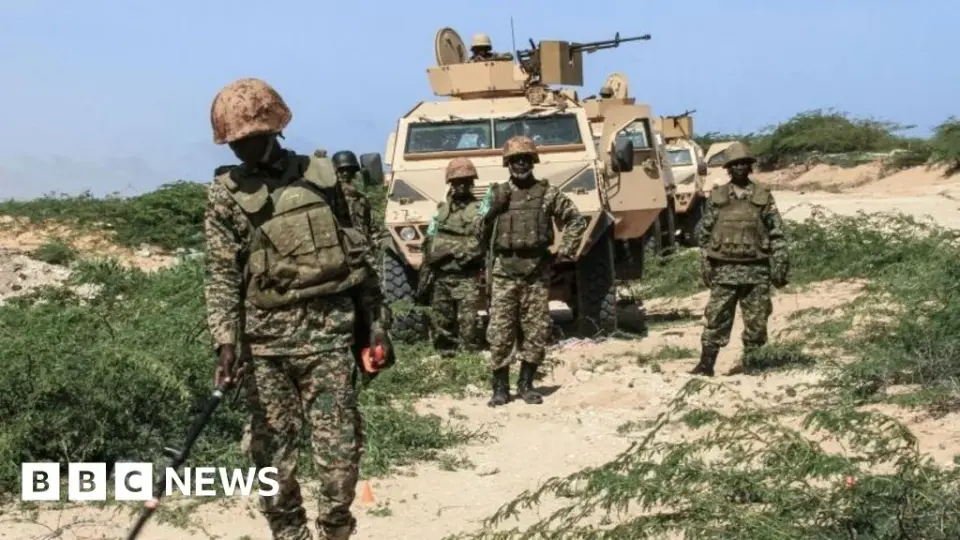
Uganda has initiated the withdrawal of its troops from Somalia, marking the end of a 20-year military presence. The first contingent of 109 soldiers has returned home, with all forces expected to depart by the end of 2027. This phased exit follows a recent meeting between Somali and Ugandan leaders and aims to transfer full security responsibility to the Somali National Army.
Key points
- Uganda’s acting army spokesperson Chris Magezi confirmed that the first group of troops deployed under a bilateral arrangement has returned to Uganda, with the rest following within days.
- All Ugandan forces, including those under the African Union Support and Stabilisation Mission in Somalia (Aussom), are scheduled to exit by the end of 2027.
- The withdrawal was announced by Army Chief Gen. Muhoozi Kainerugaba, who stated that Uganda is handing over security responsibilities to Somali forces after two decades of operations.
- Somali President Sheikh Mohamud recently met with Ugandan President Yoweri Museveni in Kampala, reportedly seeking to extend the military presence, though the withdrawal proceeded as planned.
- The African Union mission plans to replace departing Ugandan troops at four critical bases near Mogadishu to prevent al-Shabab from exploiting security gaps.
Background
Uganda first deployed troops to Somalia in 2007 under the African Union Mission in Somalia (Amisom) to support the transitional government against al-Shabab. Over the years, Ugandan forces played a pivotal role in driving militants out of Mogadishu and other major towns. The current withdrawal follows the transition from Atmis to Aussom in 2025, which focused on strengthening Somali security institutions. Recent developments include the closure of the UN political mission in Somalia and funding uncertainties for AU operations.
How outlets are covering it
BBC and Somali Guardian emphasize the formal announcement of the phased withdrawal and the handover of security responsibilities to Somali forces. AP News highlights the logistical challenges, noting that funding shortages have accelerated the withdrawal of bilateral troops. AP also reports that AU peacekeepers will replace Ugandan forces at four bases near Mogadishu, while Somali authorities face resource constraints. The Somali Guardian confirms the immediate start of the drawdown under bilateral arrangements, aligning with BBC’s timeline but focusing on the official statement from UPDF.
Why it matters
The withdrawal marks a significant shift in the security landscape of Somalia, as the country assumes full responsibility for its defense. It tests the capacity of the Somali National Army to maintain stability against al-Shabab, particularly in critical areas like Lower Shabelle. The move also reflects broader regional dynamics, including the end of UN political missions and the need for alternative funding for AU operations.
What to watch
Uganda’s remaining forces, including AU peacekeepers, will gradually withdraw by the end of 2027. The African Union mission plans to take over four key bases near Mogadishu in November. Somali authorities are expected to intensify operations against al-Shabab, though resource constraints remain a concern. The future of AU funding and the stability of Somali security forces will be critical in the coming months.
- Uganda begins withdrawing troops from Somalia after two decades of fighting al-Shabab BBC
- Peacekeepers plan to take over bases near Somalia’s capital as Ugandan troops withdraw AP News
- Uganda begins withdrawing troops deployed bilaterally in Somalia Somali Guardian
- Uganda says it has started withdrawing troops from Somalia Reuters
- Uganda begins withdrawing troops from Somalia after two-decade effort to battle militants DW.com
Want the full story? Read the original reporting
Read on BBC