
UK officials reveal 70 potential trafficking victims in late Harrods owner’s abuse scandal
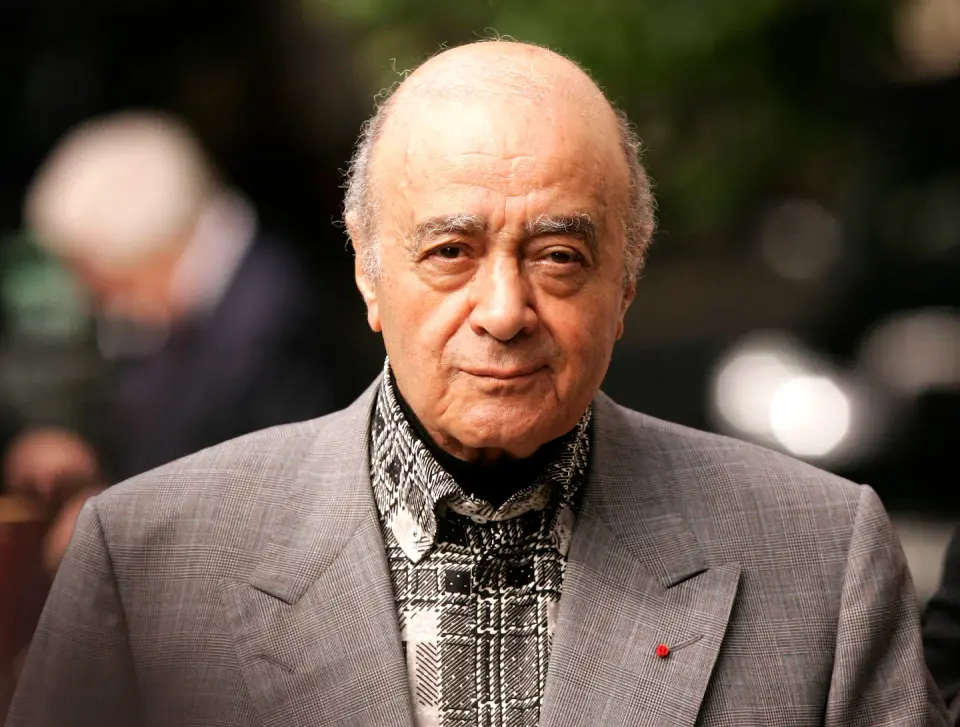
British lawmakers were told that 70 women who reported sexual abuse by late Harrods owner Mohamed Al-Fayed show signs of human trafficking. While the Home Office has confirmed only five victims, police suggest the actual number is much higher. Survivors living abroad face barriers to official recognition, prompting criticism from anti-slavery commissioners and MPs.
Key points
- Senior Metropolitan Police officers told an all-party parliamentary group in July that 70 survivors’ accounts bore hallmarks of trafficking.
- The Home Office has confirmed only five women as formal trafficking victims, but police believe the true number is significantly higher.
- Survivors living outside the UK are being rejected by the Home Office’s National Referral Mechanism, despite earlier assurances that residency was not required.
- Anti-slavery commissioner Eleanor Lyons called the scale of potential trafficking 'deeply shocking' and urged the government to remove residency barriers.
- More than 500 women have come forward with allegations of abuse at Harrods, Park Lane, Fulham FC, and the Ritz in Paris.
Background
This development follows ongoing investigations into sexual abuse allegations against Mohamed Al-Fayed, who died in 2022. Previous coverage has highlighted the scale of the scandal, with hundreds of women coming forward. The current focus is on the intersection of sexual abuse and human trafficking, particularly regarding the legal recognition of victims who now reside outside the UK.
How outlets are covering it
The Washington Post highlights the 'shocking' scale of the trafficking allegations as described by officials. The Guardian and Hounslow Herald provide detailed accounts of the discrepancy between police findings (70 potential victims) and Home Office confirmations (five), emphasizing the bureaucratic barriers faced by overseas survivors. OneFootball summarizes the core conflict between police data and government recognition. All sources agree on the severity of the allegations but differ in emphasis: The Post focuses on the official reaction, while The Guardian and Hounslow Herald detail the specific legal hurdles and survivor testimonies, such as that of 'Amy,' who was trafficked from Harrods to Al-Fayed’s properties.
Why it matters
This case exposes systemic failures in the UK’s modern slavery identification process, particularly for victims living abroad. It raises questions about the adequacy of the National Referral Mechanism and the government’s response to high-profile abuse cases. The discrepancy between police findings and official confirmations could have broader implications for how trafficking victims are recognized and supported in the UK.
What to watch
The Home Office may reconsider its residency requirements for the National Referral Mechanism following pressure from the anti-slavery commissioner and MPs. The Metropolitan Police have paused overseas referrals but may resume them if the Home Office changes its position. Further investigations into the 165 victims currently under police scrutiny are expected to continue.
- Ex-Harrods owner al-Fayed trafficked women on ‘shocking’ scale, official says The Washington Post
- Almost half of Fayed abuse accusers are potential trafficking victims, MPs told The Guardian
- MPs told trafficking signs in Mohamed Al Fayed case as overseas survivors hit barrier OneFootball
- MPs learn the trafficking claims haunting the Mohamed Al Fayed abuse scandal Hounslow Herald
Want the full story? Read the original reporting
Read on The Washington Post