
Ukraine Claims Sinking of Russian Corvette Merkury in Libya via Long-Range Drone Strike
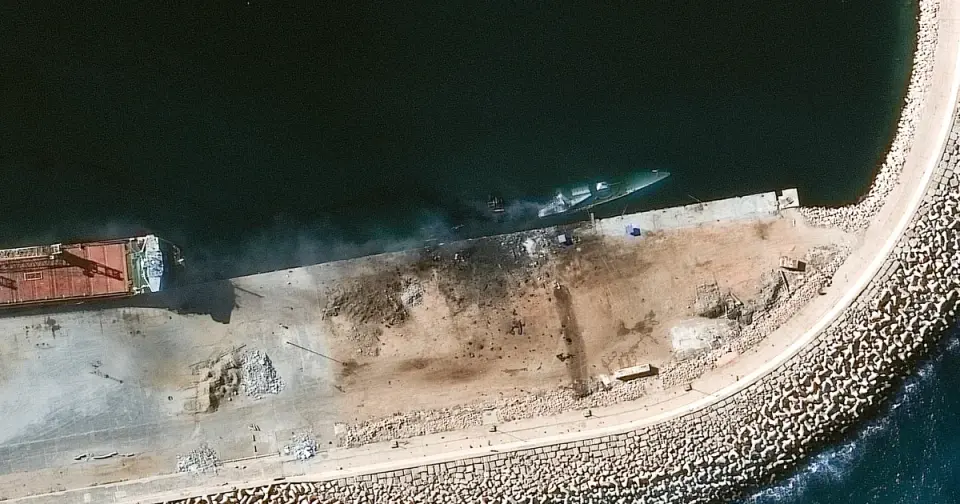
Ukrainian President Volodymyr Zelenskyy confirmed that Kyiv sank the Russian Navy corvette Merkury in Benghazi, Libya, using seven domestically produced sea drones. The strike, occurring approximately 1,500 miles from the front line, also damaged the sanctioned cargo ship MV Angara and destroyed a Ka-27 helicopter. While Ukraine hailed the operation as a success, Libyan authorities condemned the violation of their sovereignty, and the Kremlin has yet to confirm the loss.
Key points
- Zelenskyy stated that seven Ukrainian naval drones were deployed to sink the Merkury, a corvette commissioned in 2023, at the Benghazi naval base.
- The attack also struck the Russian dry cargo ship MV Angara, which is under U.S. and international sanctions for transporting weapons for Russia.
- A Ka-27 military helicopter aboard the corvette was destroyed in the strike, according to the Ukrainian Security Service (SBU).
- The UN Support Mission in Libya expressed serious concern and called for an immediate, independent investigation into the incident.
- The strike followed a separate drone attack on the Russian cargo ship Sparta II in the Gulf of Finland, which the Kremlin described as a dangerous escalation.
Background
This incident is part of a broader pattern of Ukrainian long-range strikes against Russian naval and logistical assets. In March 2026, Ukraine struck a Russian LNG tanker in the Mediterranean near Libya, and in December 2025, aerial drones targeted a Russian-linked oil tanker. The current operation highlights Ukraine's expanding reach beyond the Black Sea, utilizing covert agreements with Libyan authorities to launch attacks from western Libya.
How outlets are covering it
Ukrainian officials, including Zelenskyy and the SBU, framed the strike as a necessary response to Russian aggression, emphasizing that Russian naval logistics have no safe routes. In contrast, the Kremlin, through spokesman Dmitry Peskov, labeled the Baltic strike a 'dangerous trend' and 'terrorist activity,' urging Baltic states to pressure Ukraine. Libyan authorities, particularly the eastern-based government in Benghazi, condemned the attack as a violation of sovereignty and a threat to maritime safety, demanding an international investigation. The UN mission in Libya echoed these concerns, warning that Libya must not become a battleground for foreign conflicts. Albania denied any involvement in the launch of the drones, rejecting allegations without verifiable evidence.
Why it matters
The sinking of the Merkury demonstrates Ukraine's capability to project power far beyond its borders, challenging Russian naval dominance and disrupting logistics networks. It also highlights the growing involvement of third-party nations, such as Libya, in the Russia-Ukraine conflict, raising concerns about the spillover of the war into other regions. The incident may influence diplomatic negotiations and the broader security landscape in the Mediterranean and Baltic regions.
What to watch
The Kremlin has indicated that the Russian Defense Ministry will provide more information on the attacks. The UN mission in Libya is expected to conduct an independent investigation to determine the facts and hold those responsible accountable. The eastern Libyan government has requested an international investigation and formal explanations from Kyiv regarding its activities in the country. The situation may lead to further diplomatic tensions between Russia, Ukraine, and Libya, as well as increased scrutiny of Ukrainian operations in the region.
- Ukraine sinks Russian warship Merkury off Libya, damages sanctioned Russian cargo ship CBS News
- Ukraine Sinks Russian Warship, Hits Cargo Vessels Far From Warzone WSJ
- Zelenskyy praises ‘exemplary’ drone operation that sank Russian warship in a Libyan port CNBC
- Russian vessel hit by suspected Ukrainian drone at Libya’s Benghazi port Al Jazeera
- Albania denies Ukrainian drones that sank Russian ships were launched from its territory – Europe live The Guardian
Want the full story? Read the original reporting
Read on CBS News