Porsche celebrates Nürburgring’s 100th anniversary with the limited 911 GT3 100 Jahre Nürburgring, a green-accented homage offering optional Manthey performance upgrades; it keeps the 4.0L flat-six with PDK or a six-speed manual, delivering up to 1,190 lb of downforce at 177 mph. Only 100 units for Germany, deliveries in 2027, with pricing TBA and a Sonderwunsch Manthey experience.
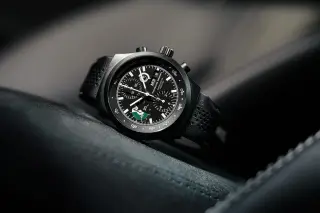
Porsche Design is releasing a limited Chronograph 1 edition to celebrate the Nürburgring's 100th anniversary, reserved for buyers of the 911 GT3 100 Jahre Nürburgring. The watch features a 40.8mm titanium case with black titanium carbide coating, 100m water resistance, sapphire crystal, and a caseback engraved with its unique number. Powered by the COSC-certified Porsche Design Calibre WERK 01.140 automatic chronograph ( Sellita base) with a 48-hour power reserve, it has a Nürburgring logo, a green Aero Disc running seconds graphic, and a dial inspired by the 911 dashboard. It ships on perforated black Porsche interior leather with a green textile backing, plus a green textile hook-and-loop strap, and a quick-change system. Made to order in Grenchen, Switzerland, it’s limited to 100 pieces and priced at EUR 9,950, with availability commencing September 2026 for GT3 100 Jahre Nürburgring buyers.
Porsche's GTS lineup is the “Goldilocks” middle ground—more performance than base/S models but not true GTs, which are engineered by Porsche's GT division and carry number designations after GT (like GT3 or GT4 RS). Real GTs include models such as the 911 GT3 and 718 Cayman GT4 RS, while others like the Taycan Turbo GT and Cayenne Turbo GT are debated as GTs; the term GTS traces back to the 904 GTS and stands for Gran Turismo Sport, balancing speed with everyday livability.
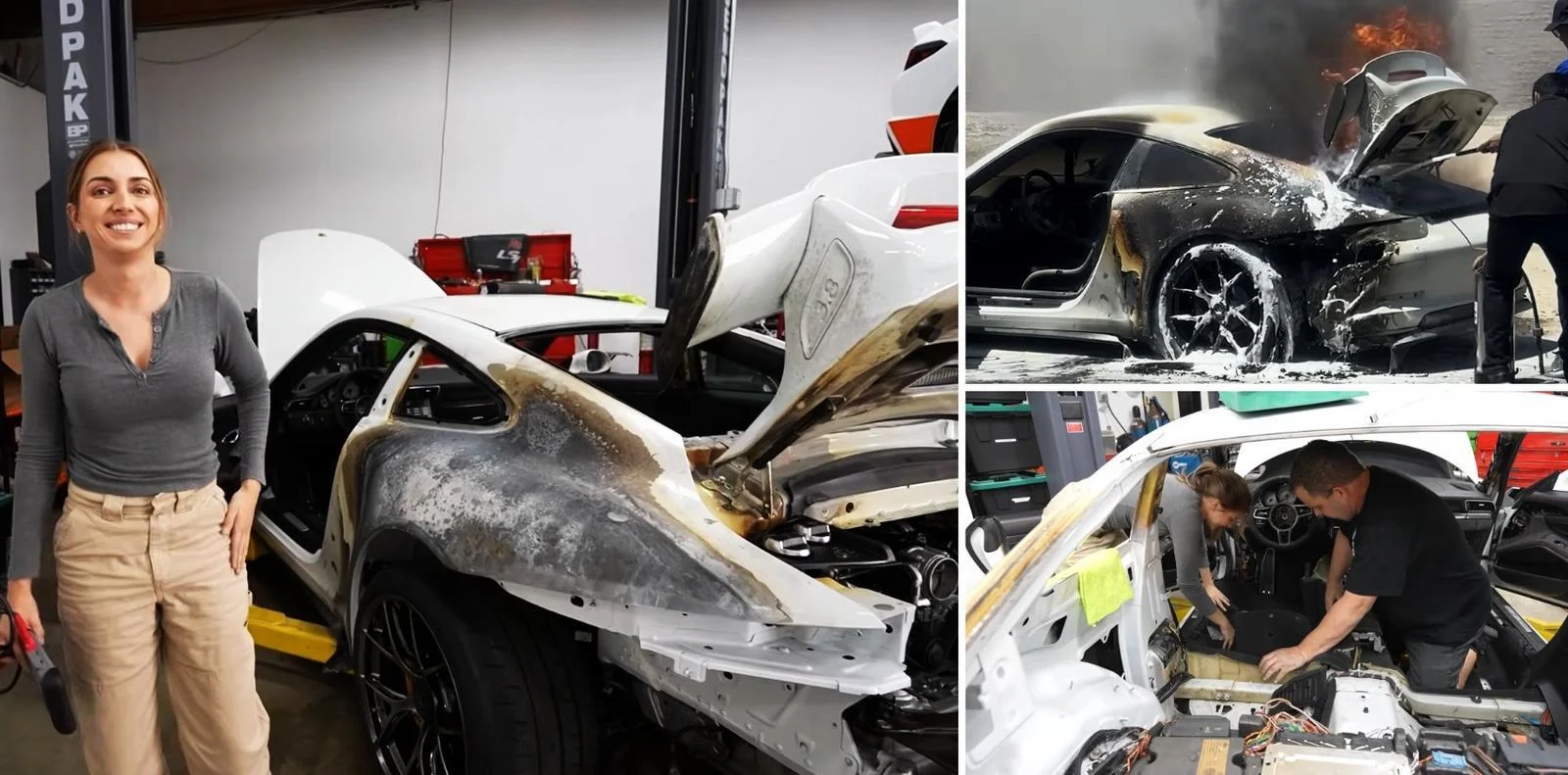
A fire-damaged Porsche 911 GT3 written off by insurers was bought for $1 by YouTuber Emelia Hartford. She documented a painstaking, authentic restoration—rebuilding wiring, control modules, and mechanicals, sourcing factory-spec parts, renewing the interior, and ensuring the car would drive as a true GT3. The project underscores hands-on craftsmanship and demonstrates that with time and expertise, a ruined machine can regain genuine performance and value, rather than becoming mere content.
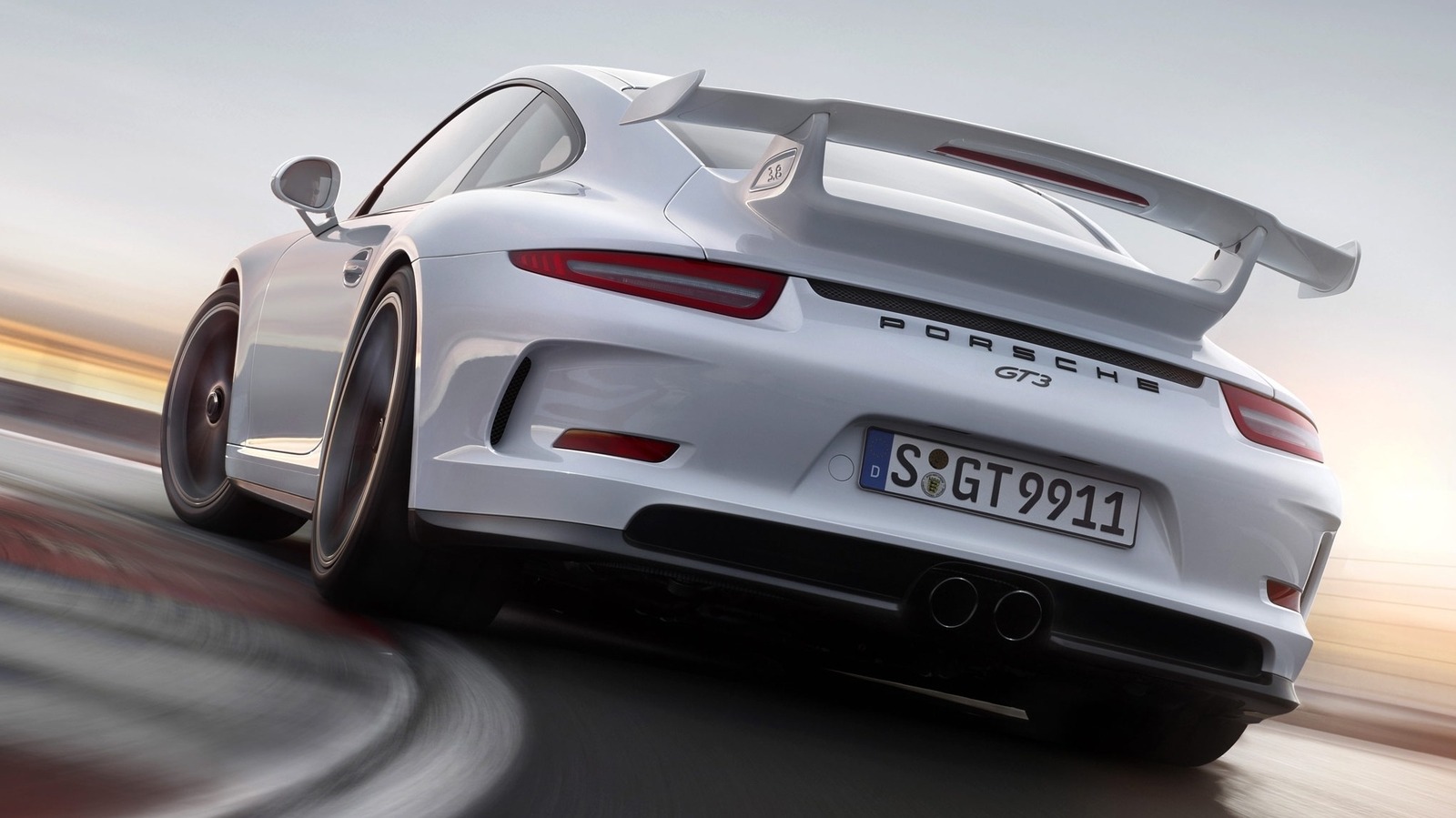
The article discusses the Porsche 911 GT3 (991 generation) as an otherwise excellent car hampered by a problematic engine, specifically the faulty connecting rod bolts in the 3.8-liter flat-six motor that could lead to engine failure, which Porsche addressed by replacing all engines under warranty.