OpenAI and Broadcom unveiled Jalapeño, their first jointly built AI accelerator designed for running OpenAI's large language models with notably better performance per watt; developed in nine months and slated for late-2026 data-center deployment, marking OpenAI's first foray into hardware manufacturing and signaling a multi-generation compute platform to speed and scale AI.
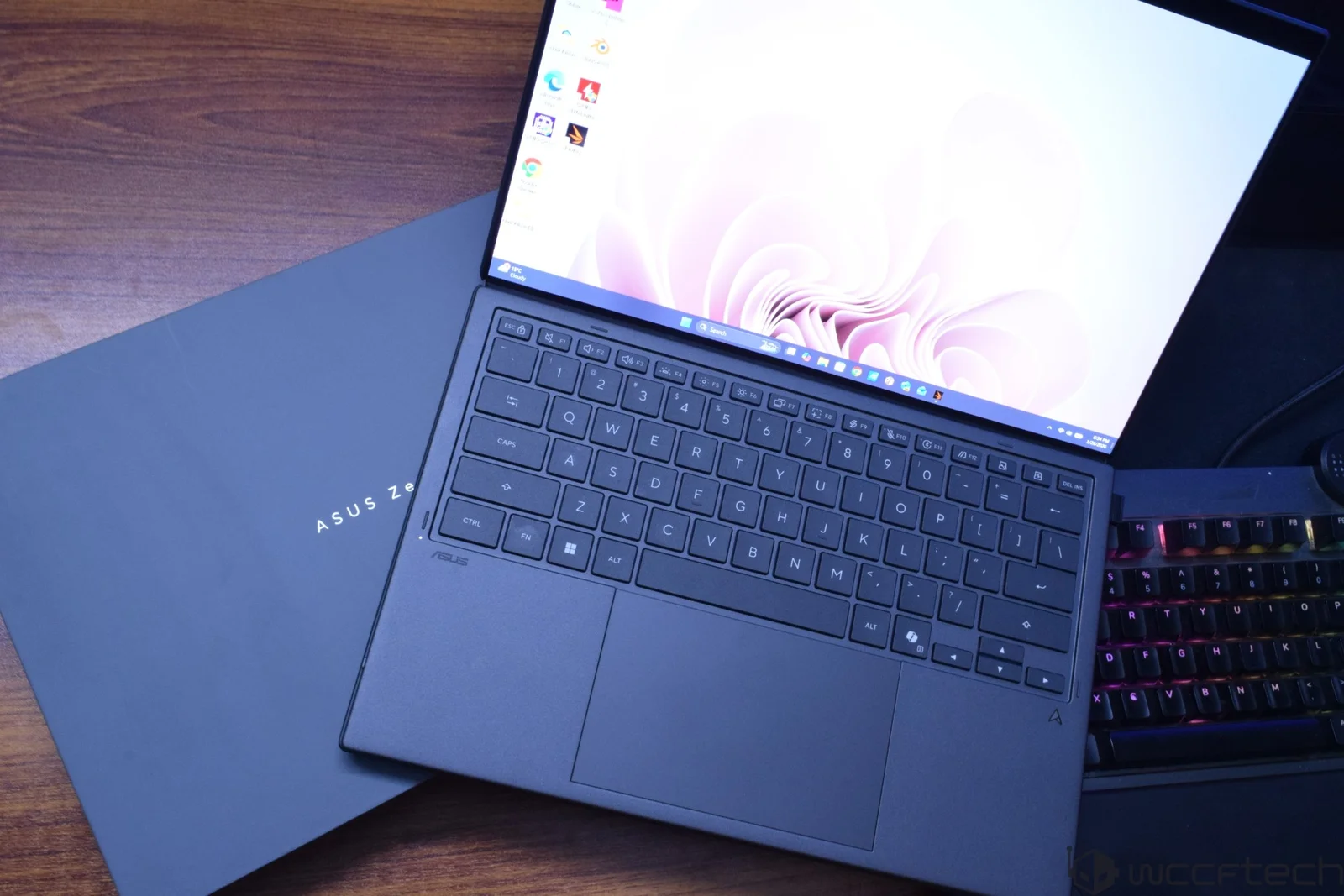
Intel’s Panther Lake X9 388H arrives in the ASUS Zenbook Duo 2026 as a 16‑core hybrid CPU (4 P-Cores, 8 E-Cores, 4 LP-E cores) with an Arc B390 Xe3 iGPU and an NPU5, delivering strong single- and multi‑core performance, solid AI/GPU benchmarks, and high memory bandwidth on 32 GB LPDDR5X at 9600 MT/s. The laptop pairs this with a 1 TB SSD, dual 14" 3K OLED displays at 144 Hz, and a 99 Whr battery in a refined dual‑screen chassis. In practice it mostly stays under 40 W, with peak stress occasionally hitting ~69 W, and tasks like office work can surpass 22 hours of battery life, gaming around 4 hours (brightness at 60%), and video playback over 30 hours with the second screen off. Thermals show throttling under heavy load (70–80 °C range) despite a dual‑fan cooling system, but the design’s hinge and cooling keep the experience premium. Benchmarks place the X9 388H ahead in many synthetic tests (CPU, memory, AI suites) and the Arc B390 iGPU tops several GPU tests, signaling a compelling if power‑hungry, office‑friendly hybrid that leans into power efficiency and AI acceleration alongside its strong CPU/GPU performance.
California's deal with Google to fund local newsrooms has faced significant delays, budget cuts, and bureaucratic hurdles, resulting in only $20 million allocated in the first year instead of the promised $250 million over five years, raising doubts about its future effectiveness and impact on local journalism.
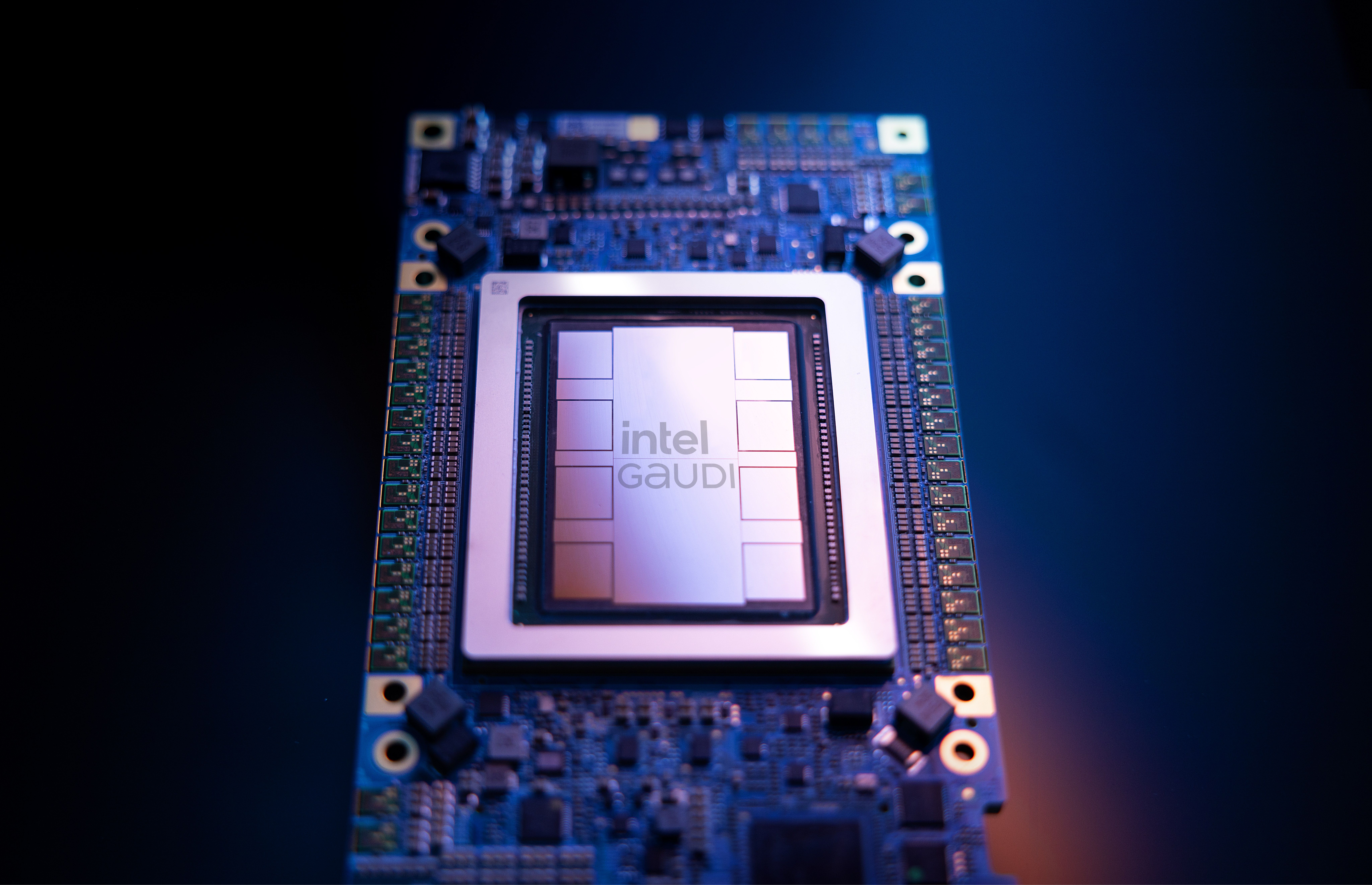
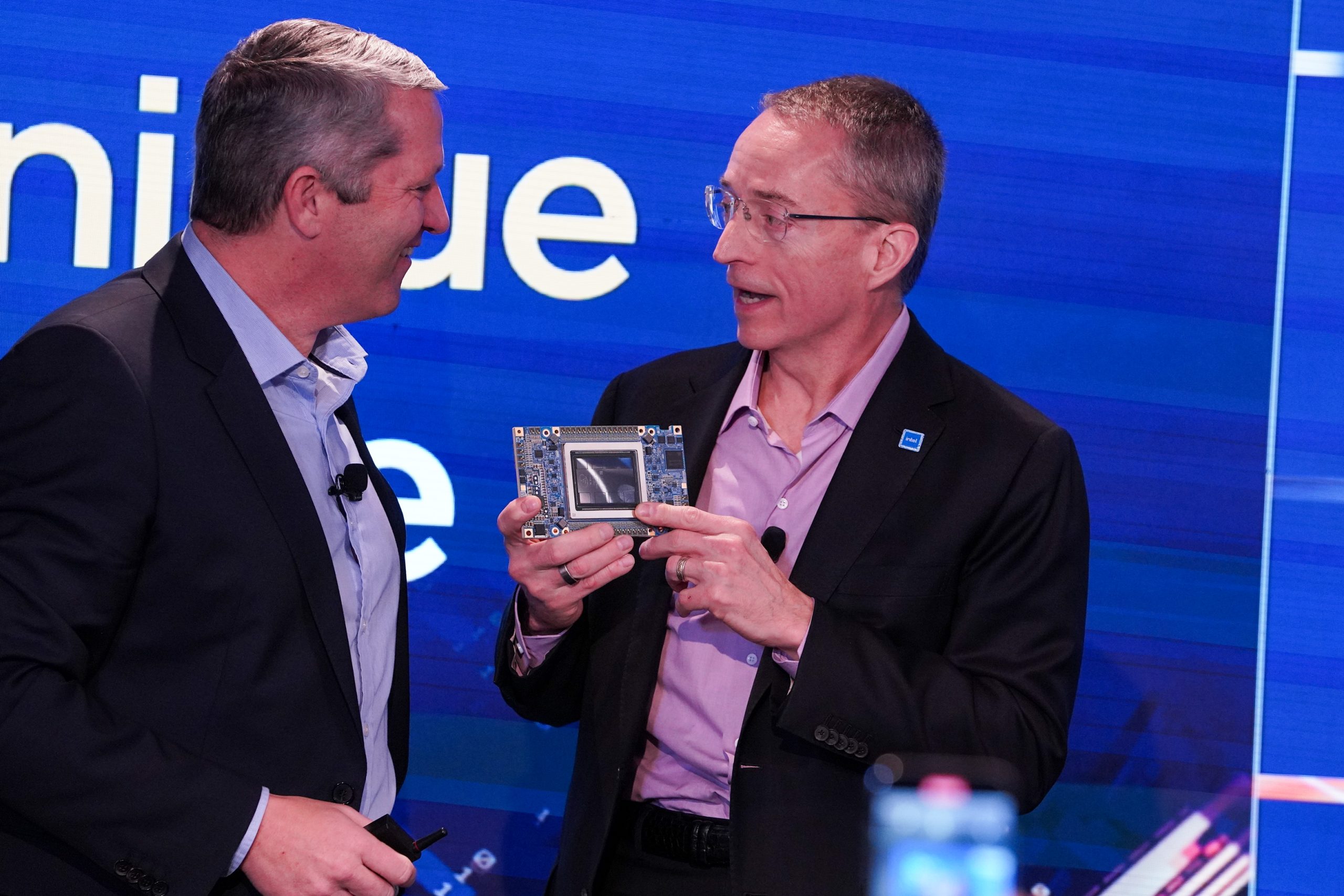
Intel has launched its Gaudi 3 AI accelerator, aiming to compete with Nvidia’s H100. The Gaudi 3 is claimed to offer 50% faster time-to-train across Llama2 models with better efficiency and at a fraction of the cost of the H100. It will be available to companies like Dell, HPE, and Lenovo in the second quarter of this year.
Intel introduces the Gaudi 3 AI accelerator, the next-generation of Gaudi high-performance AI accelerators from its subsidiary, Habana Labs, aiming to compete in the AI market. With a heavy focus on AI, Intel is shipping samples to customers and expects to outperform NVIDIA's flagship Hopper architecture accelerators in some critical large language models. The Gaudi 3 features 1835 TFLOPS of FP8 compute throughput and is set to launch in the third quarter of 2024. It comes with a dual-die setup, 200Gb Ethernet interconnect, and will be available in both OAM and PCIe form factors, with the PCIe version set to launch in the fourth quarter of this year.
Intel's upcoming Gaudi 3 AI accelerator, built on TSMC's 5nm process, is expected to compete with NVIDIA's H100 and AMD's MI300X in terms of AI performance. The Gaudi 3 is projected to offer 1.5 times higher performance than its predecessor, the Gaudi 2, along with increased memory capacities and improved compute capabilities. Intel's focus on inferencing and collaboration with Al chip Technologies indicate a promising future for the architecture. The Gaudi 3 is set to launch in 2024.