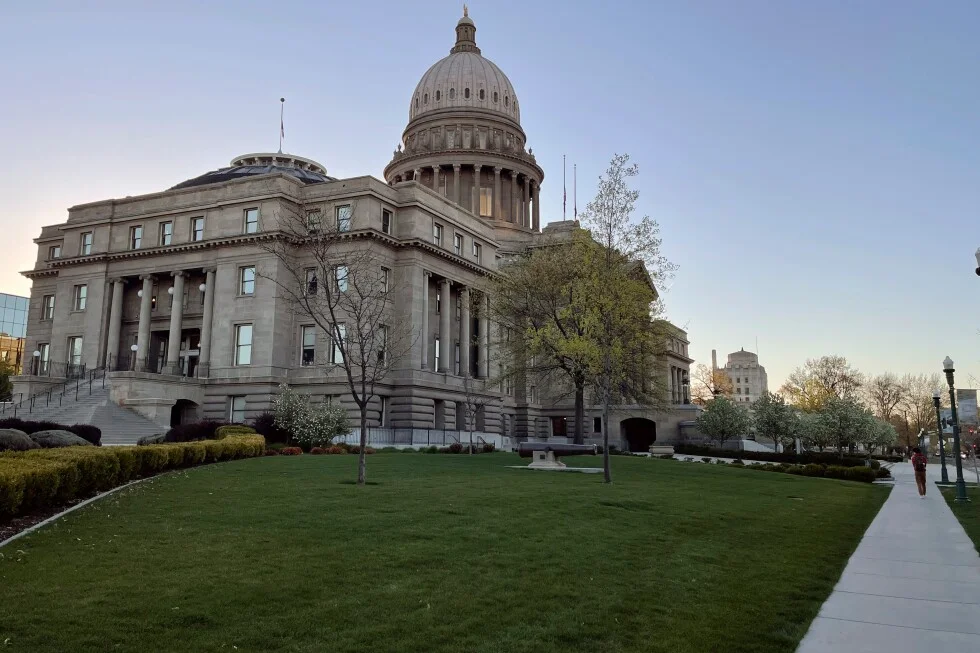
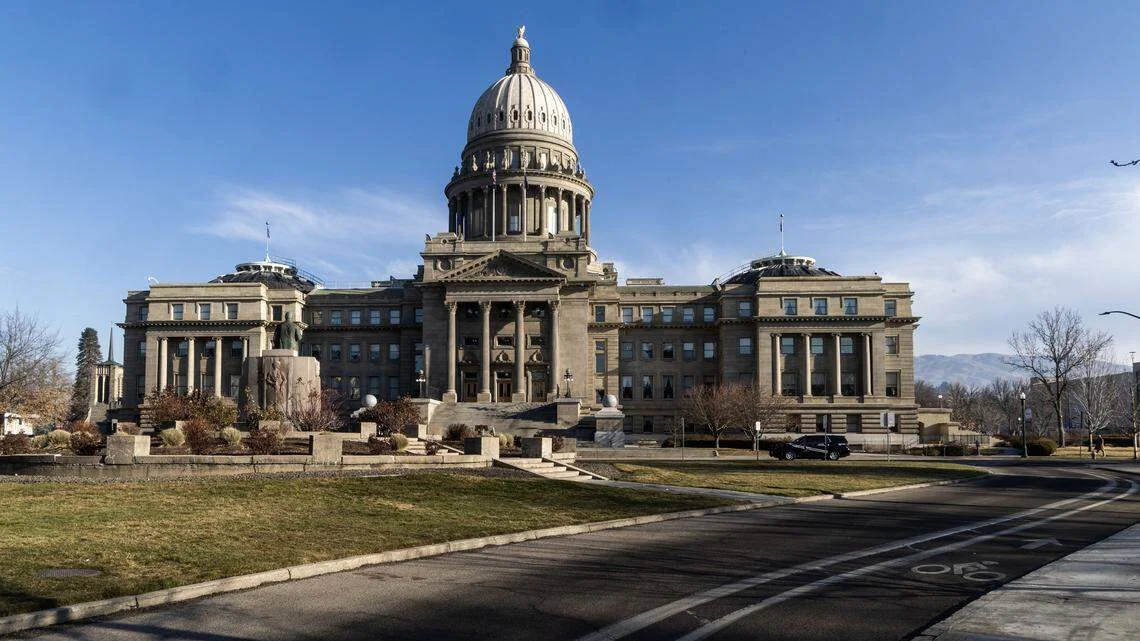
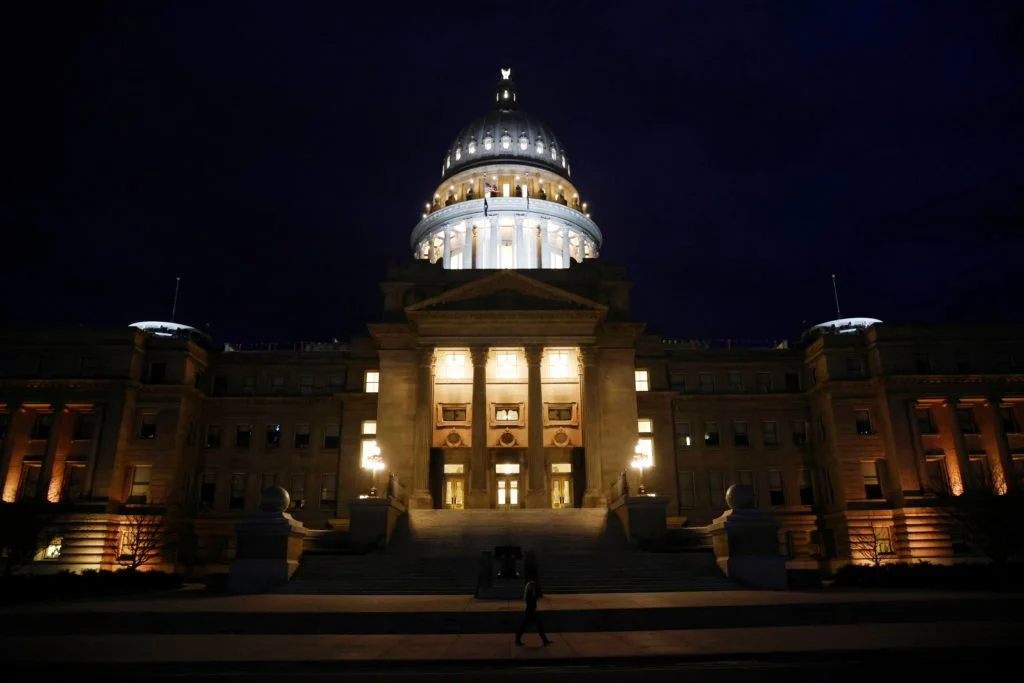
The Idaho Legislature approved a measure restricting bathroom access for transgender individuals and imposing jail penalties for violations, sending the bill to the governor for consideration.
Idaho lawmakers advanced a bill that would criminalize using restrooms or changing rooms that don’t match a person’s sex assigned at birth in government buildings and places of public accommodation, with a misdemeanor for the first offense and a felony for a second offense within five years. The measure includes exceptions for custodial work, medical aid, law enforcement, single-user facilities when no other option exists, dire need, athletic events, and guardians accompanying someone needing assistance, and it now goes to the governor. Supporters say it protects privacy and safety; opponents argue it targets transgender people and could endanger them, with groups like the ACLU and Planned Parenthood condemning the bill. Critics note little evidence that inclusive policies threaten safety, and Idaho has recently pursued other anti-LGBTQ measures.
Idaho lawmakers are considering a bill that would criminalize transgender people using bathrooms and changing rooms that align with their gender identity in any place of public accommodation, with penalties of up to a year for a misdemeanor and up to five years for a felony on a second offense; it includes carve-outs for emergencies, dire need, and other staff roles, but faces opposition from law-enforcement groups and LGBTQ advocates who warn it could lead to profiling and harassment. The Senate was expected to vote on the bill this week, potentially sending it to Governor Brad Little for signing.
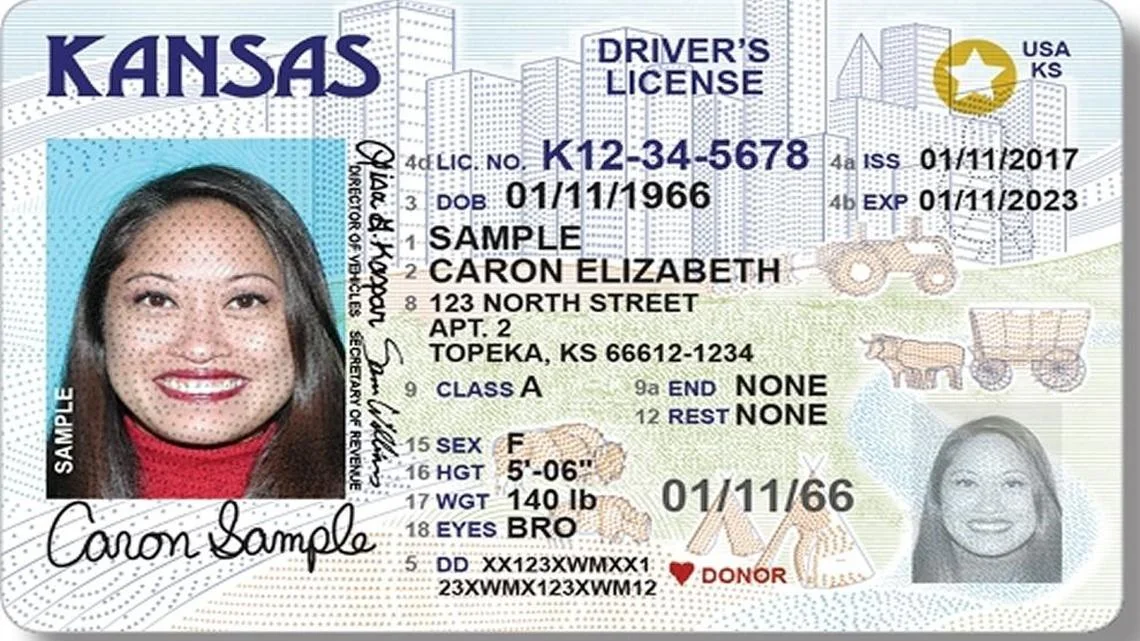
Kansas' SB 244 goes into effect, invalidating driver’s licenses for transgender residents whose gender marker doesn’t match their birth sex; affected IDs must be surrendered and replaced to reflect birth sex, with no grace period and about $30 replacement cost. The law also requires restroom use to align with birth sex in government buildings and imposes penalties up to a $1,000 fine and possible misdemeanors for violations.
Kansas overrides Gov. Laura Kelly's veto to enact a law requiring sex-segregated restrooms in government buildings, with fines, lawsuits, and criminal penalties for violations, plus limited age-based access and a ban on changing gender markers on state documents.
The Kansas Senate, voting along party lines, overrode Gov. Laura Kelly’s veto of House Bill 244 to require bathroom use in state government buildings to align with birth sex, a move critics call a painful cultural battle that could affect business and events such as the 2026 FIFA World Cup; supporters argue it protects privacy, while opponents warn it endangers transgender people and risks economic impacts for Kansas.
Gov. Laura Kelly vetoed SB 244, an anti-trans bathroom bill that would require people to use restrooms matching their birth sex and impose fines on governments and escalating penalties on individuals; she warned the measure would cause numerous consequences, like restricting visits to shared rooms in nursing homes and dorms, and criticized the rushed process that cut out public input. With Republicans holding majorities, lawmakers could override the veto, while opponents and civil-rights groups argued the bill targets transgender Kansans and could burden local governments.
Texas Attorney General Ken Paxton has launched a tip line to report suspected violations of Senate Bill 8, a law restricting restroom access based on sex assigned at birth, amid concerns over privacy, enforcement vagueness, and potential harassment. Critics argue the law fosters discrimination and privacy violations, while supporters claim it protects women and promotes safety.
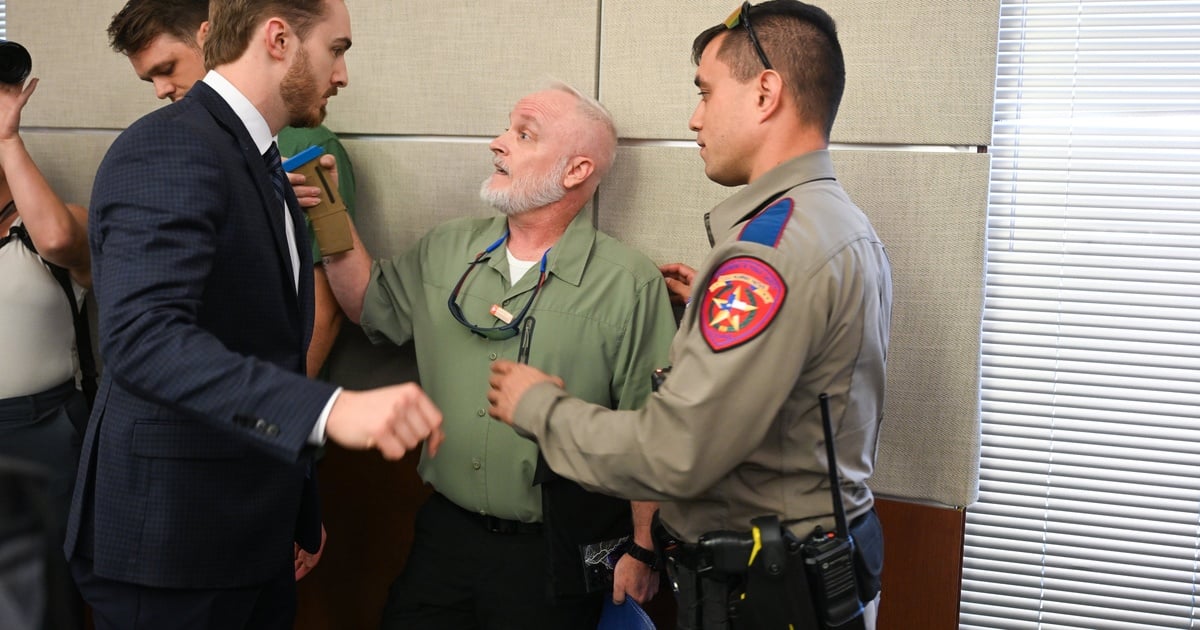
A Texas House committee is considering Senate Bill 8, a controversial bathroom bill that restricts transgender people's access to bathrooms in public and government buildings, with supporters citing safety and morality concerns, while opponents warn it could incite violence and discrimination. The bill includes penalties for violations and aims to shield itself from legal challenges, raising significant debate over transgender rights and safety in Texas.
A family opened Vermillion's first bookstore, 'Outside of a Dog,' but are considering leaving the town due to the impact of a bathroom bill that is affecting LGBTQ+ rights and community support.
Texas lawmakers are convening a special session primarily to address flood relief efforts following deadly floods, but the session also includes a controversial bill requiring transgender individuals to use bathrooms matching their birth sex, amidst a broader context of anti-LGBTQ legislation in the state.
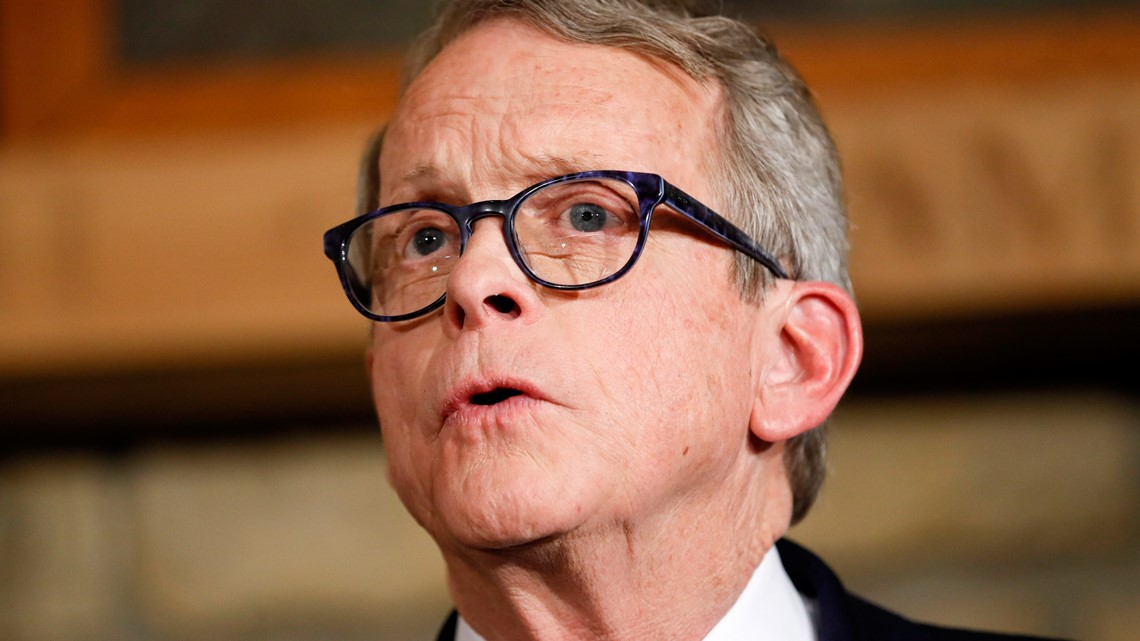
Ohio Governor Mike DeWine has signed a controversial bill that bans transgender students from using bathrooms that align with their gender identity in public and private schools, colleges, and universities. The "Protect All Students Act" mandates separate facilities based on gender assigned at birth, sparking criticism from civil rights groups and LGBTQ+ advocates who argue it endangers transgender youth. The law, which takes effect in 90 days, is part of a broader national trend of legislation restricting transgender rights.
Ohio Governor Mike DeWine signed a bill restricting transgender students from using school restrooms that align with their gender identities, mandating that facilities be used according to biological sex as defined by the bill. The legislation, known as the "Protect All Students Act," applies to public K-12 schools and colleges in Ohio. Critics, including the ACLU and LGBTQ+ advocates, argue the bill endangers transgender individuals by exacerbating discrimination and unsafe conditions, while supporters claim it preserves privacy. Similar laws have been enacted in several other states.
Ohio Governor Mike DeWine has signed a controversial bill into law that prohibits students from using school restrooms that do not align with their sex assigned at birth. The legislation, part of Senate Bill 104, mandates separate facilities based on "biological sex" and bans all-gender restrooms in schools. The ACLU and LGBTQ+ advocates have criticized the bill as harmful to transgender students, arguing it increases risks of harassment and violates privacy rights. Proponents claim it protects students' safety and privacy.
Ohio Governor Mike DeWine signed a bill prohibiting transgender students from using bathrooms that align with their gender identity in public and private schools, despite opposition from Democrats and civil rights groups. The "Protect All Students Act" mandates separate facilities based on gender assigned at birth, with no enforcement mechanism. This move aligns with a broader national trend among Republican-led states to restrict transgender rights, including bans on gender-affirming care and participation in sports.