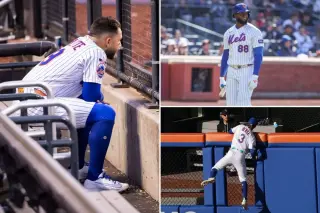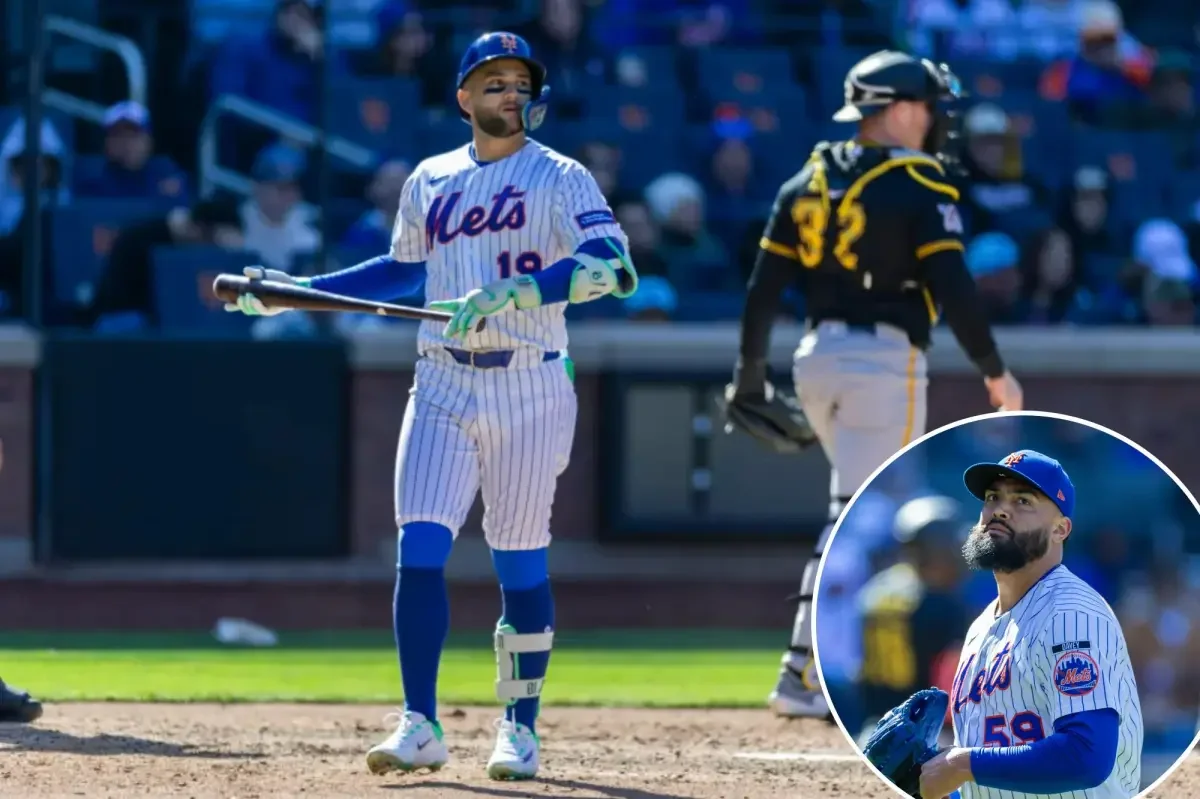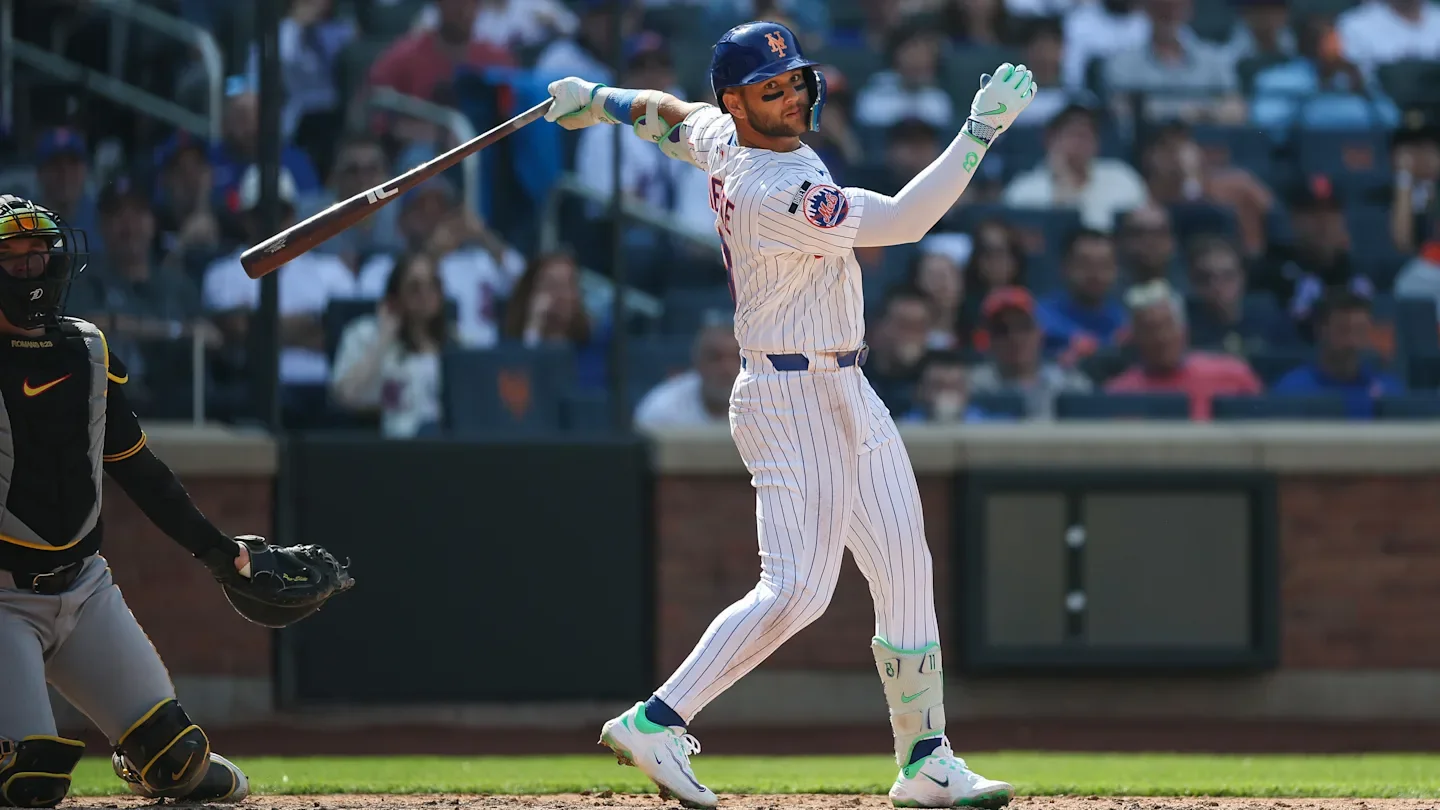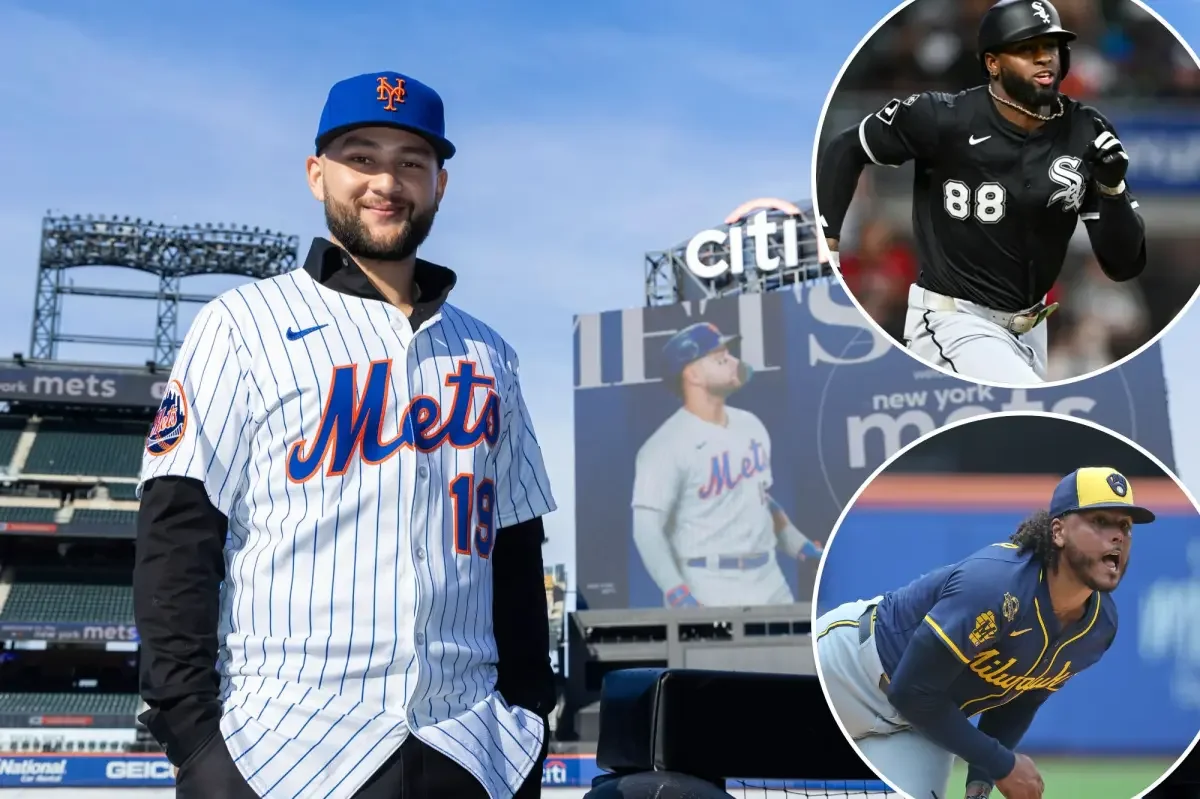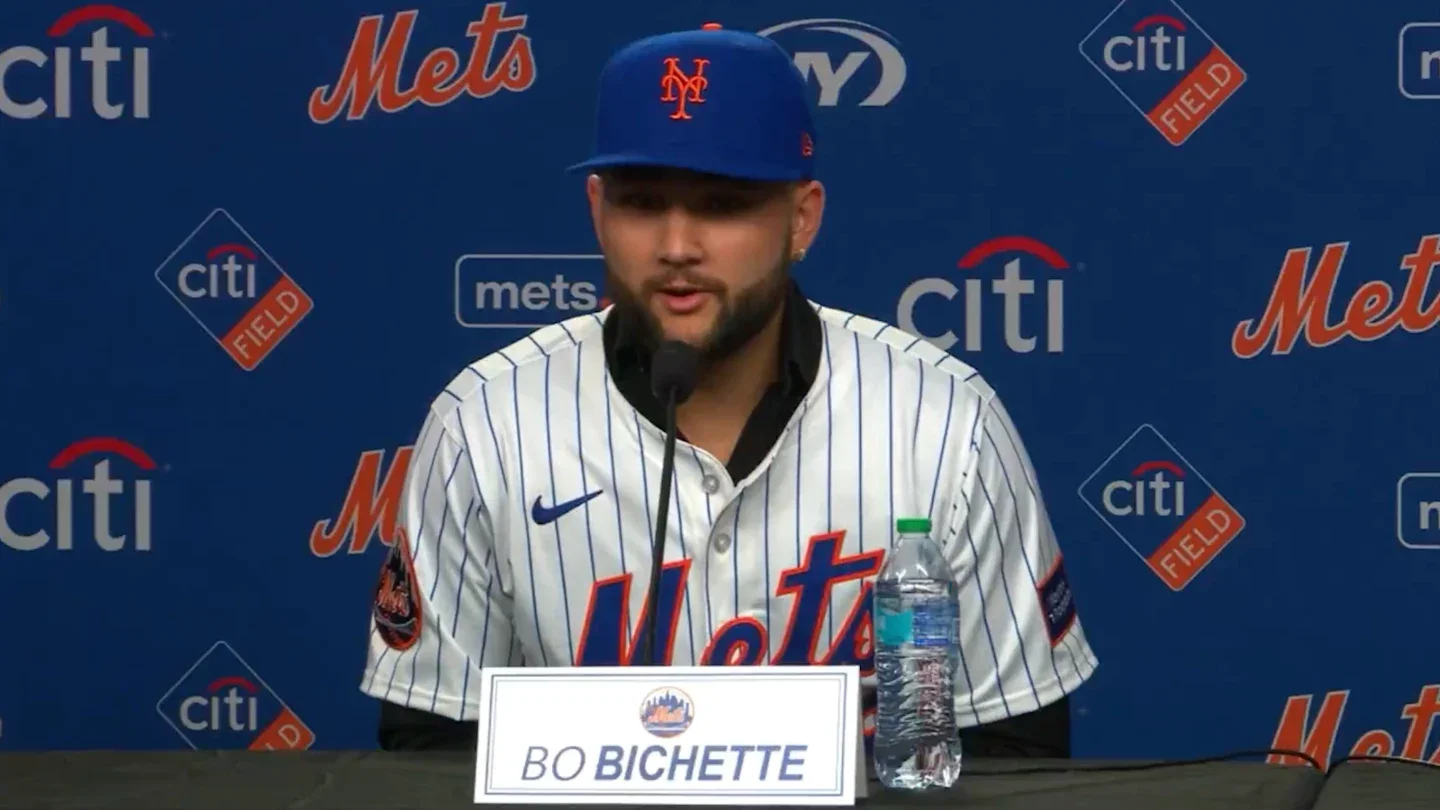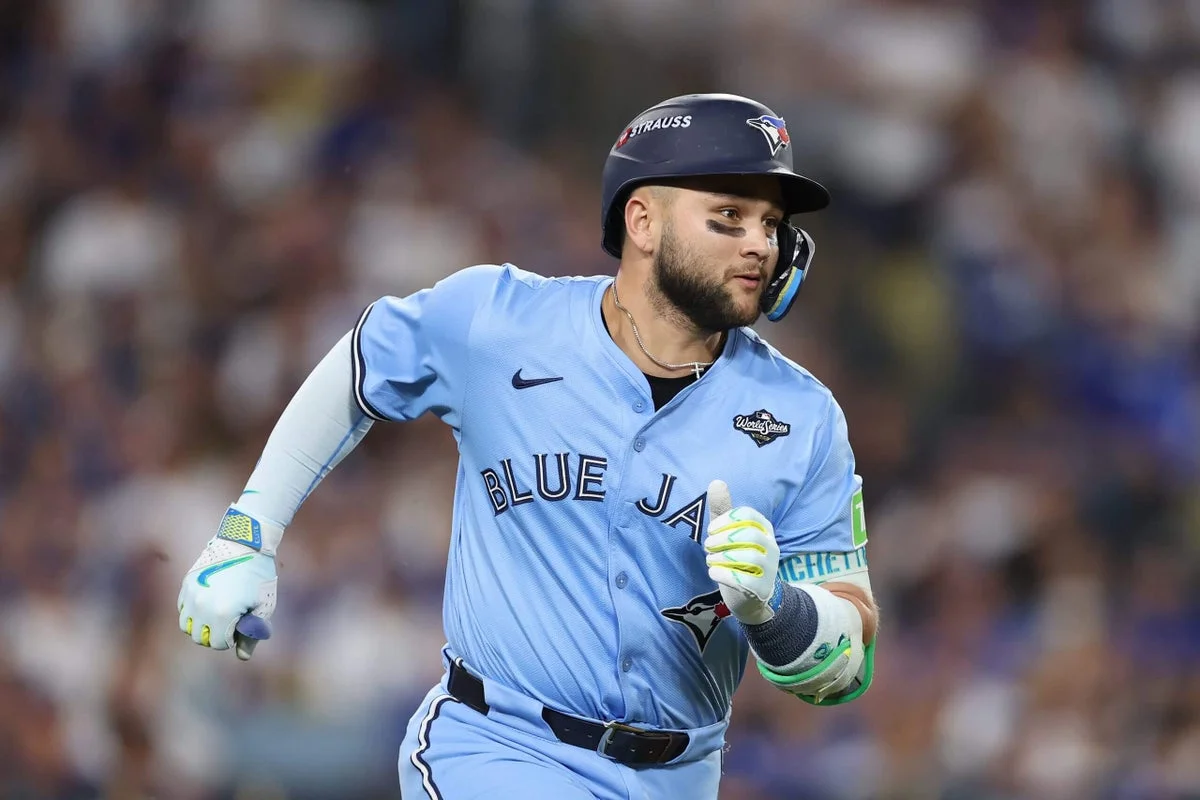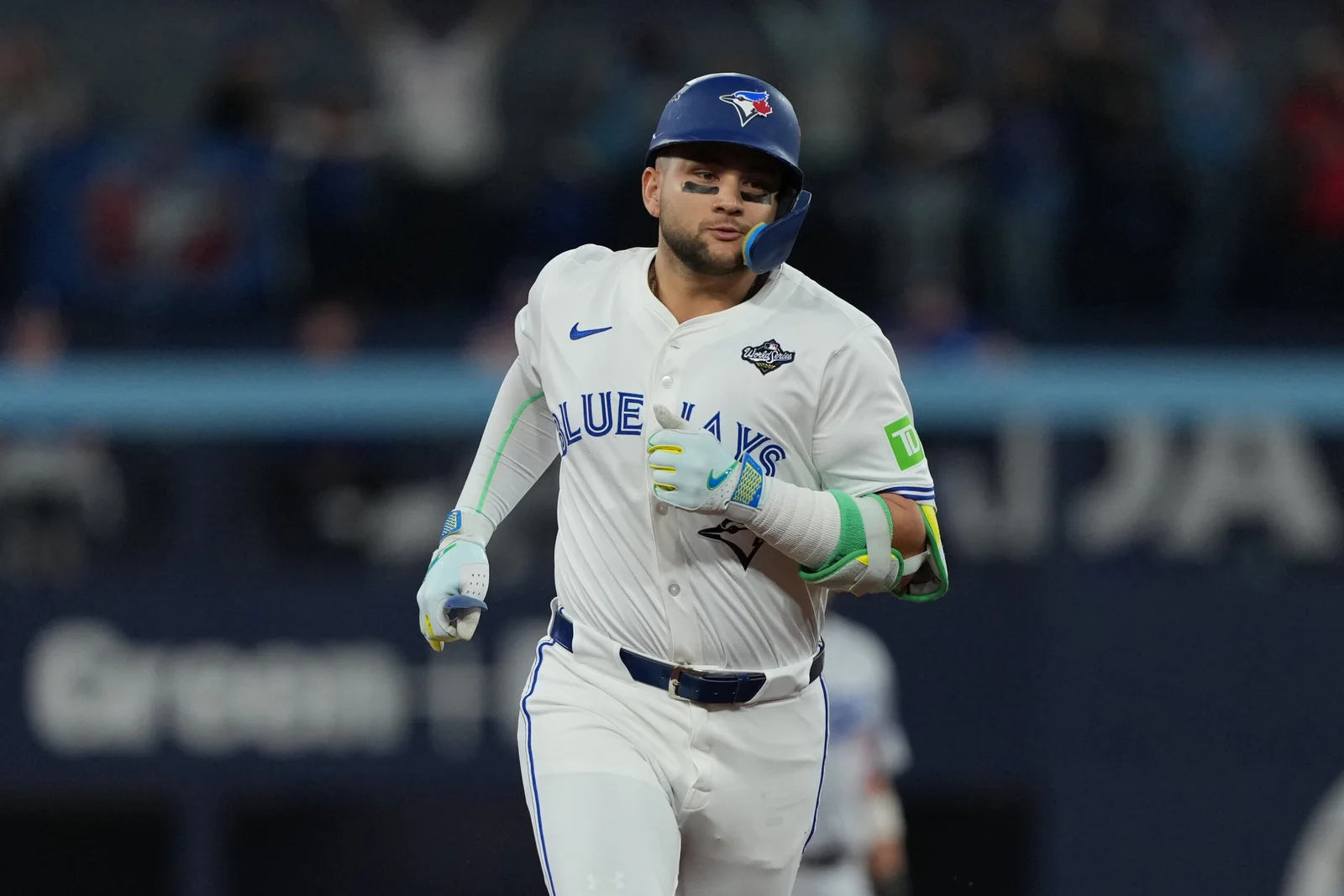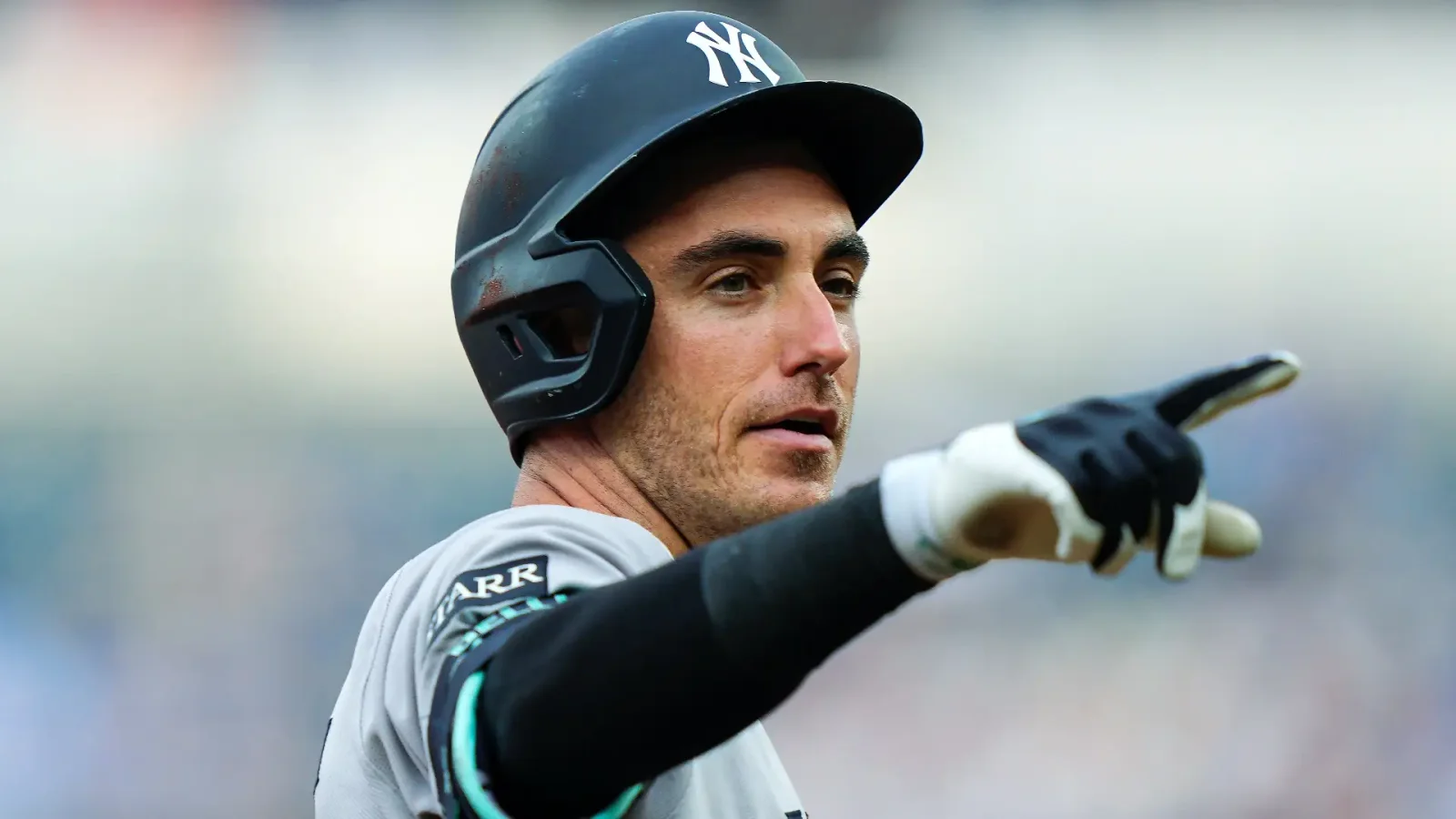
Three games in, Citi Field boos for Bo Bichette's early at-bats are seen as premature; his former Blue Jays teammate Marcus Semien expects him to have a strong week and season, and Bichette admits his at-bats haven’t been sharp, but remains confident he will hit.
New Mets outfielder Bo Bichette is 0-for-5 with 8 strikeouts and 1 RBI in his first three games, drawing loud boos at Citi Field after a seventh-inning strikeout. Bichette acknowledged his poor at-bats as he and the Mets look to rebound, with a road series against the Cardinals upcoming. His three-year, $126 million deal features a $42 million average annual value and opt-out options after 2026 and 2027.
The Mets’ winter focused on upgrading the rotation with Freddy Peralta via a trade that cost top prospects (Brandon Sproat and Jett Williams) while pursuing big-bat upgrades, including a near-miss on Kyle Tucker and a finalized deal for Bo Bichette (3 years, $126M with two opt-outs). Rival moves—Weathers to the Yankees, Suarez to the Red Sox, Oviedo to Boston—forced further pivots as the team weighed longer-term rotation contracts and depth options (Chandler, Ashcraft) amid a fast-changing market and sliding-door decisions.
After a year of talks, the Mets executed a six-day overhaul that brought Freddy Peralta, Bo Bichette and Luis Robert Jr. to New York, flipping a disastrous winter into contender buzz, at the cost of top prospects Jett Williams and Brandon Sproat to Milwaukee.
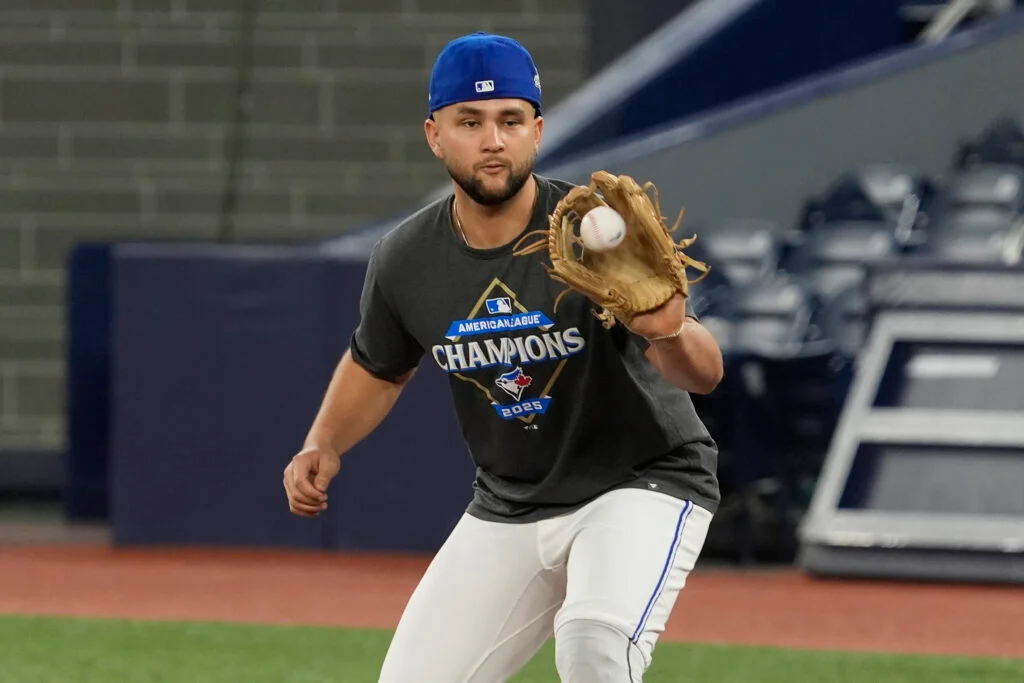
Bo Bichette left the Blue Jays for the New York Mets on a three-year, $126 million contract with opt-outs after the first two years. He cited the Mets’ commitment to winning every year, a roster built for contention, and playing in NYC’s passionate market as decisive factors, noting he valued the chance to pursue a World Series with a storied franchise. He acknowledged talks with Toronto but felt moving to the Mets was the clear decision, and he’ll shift to third base as he helps push the Mets back toward the postseason.
David Stearns’ Mets have overhauled their offense by adding Bo Bichette and trading for Luis Robert Jr., moving on from Alonso, Nimmo and McNeil, while Polanco and Semien bolster the middle of the order; the lineup now features Lindor and Soto at the top, with questions about power, health, and whether the revamped group can outproduce last year’s 112 wRC+ as spring training nears and the pitching plan remains a work in progress.
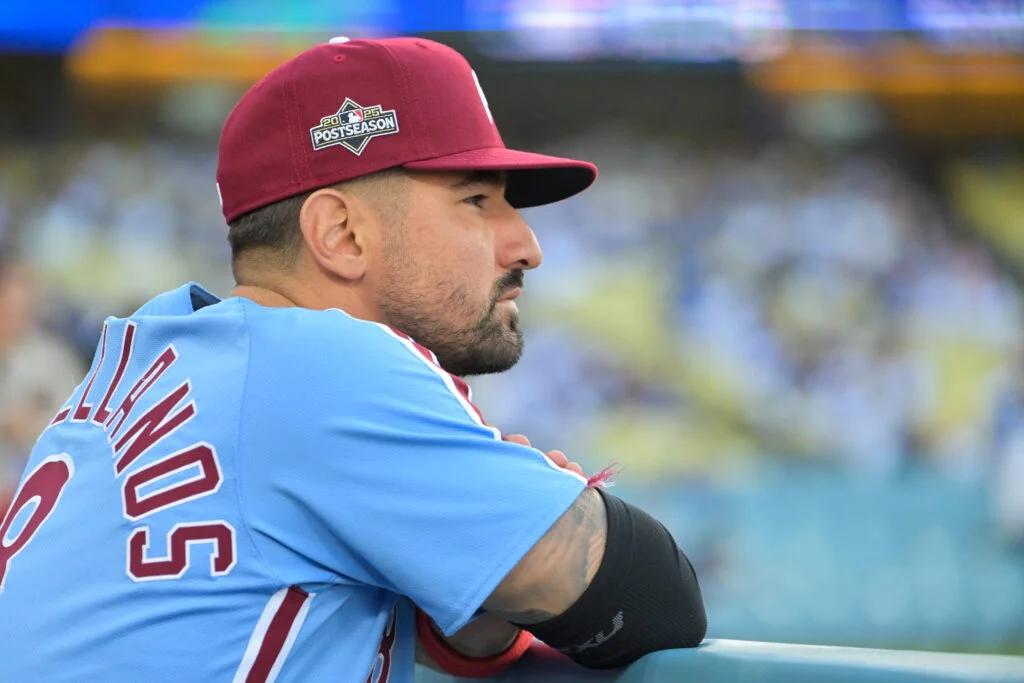
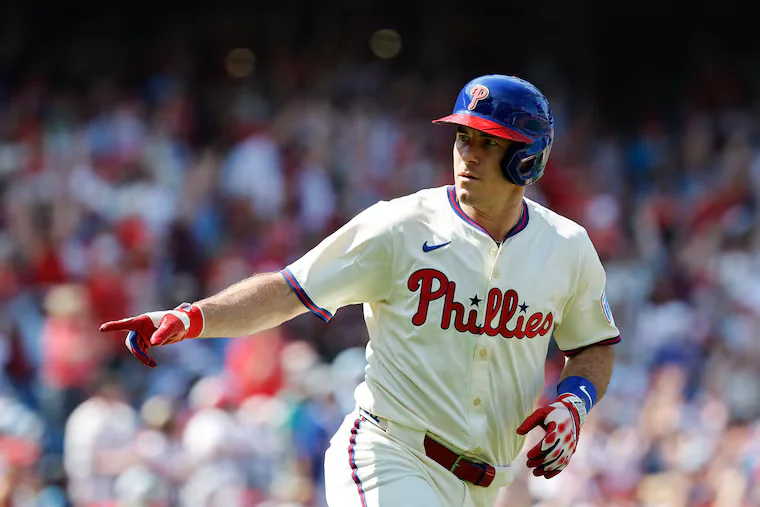
Philadelphia officially re-signed J.T. Realmuto and acknowledged they were close to signing Bo Bichette before the Mets swooped in; the club plans to stay prudent on spending, with payroll around $281M and a 110% luxury tax, and is expected to move on from Nick Castellanos. Zack Wheeler is progressing after thoracic outlet surgery with no fixed return date, while the rotation currently features Aaron Nola, Cristopher Sanchez, Jesus Luzardo, Taijuan Walker, and top prospect Andrew Painter contending for the fifth spot, with possible minor additions forthcoming.
The Phillies were close to acquiring Bo Bichette, but he chose the Mets’ three-year, $126 million deal over a longer Phillies offer. Dombrowski called it a gut punch and the club pivoted to re-signing J.T. Realmuto for three years and $45 million, with no immediate plans to pursue additional multiyear free agents as Bichette heads back to free agency next offseason.
The Mets, buoyed by Bo Bichette’s deal, continue pursuing rotation depth and a versatile center-field option, with Cody Bellinger as the top outfield target on a shorter-term pact. They’re also weighing pitcher additions (MacKenzie Gore, Kris Bubic) and exploring other routes to upgrade the rotation, including potential trades or additional short-term free agents, while balancing payroll and positional flexibility.
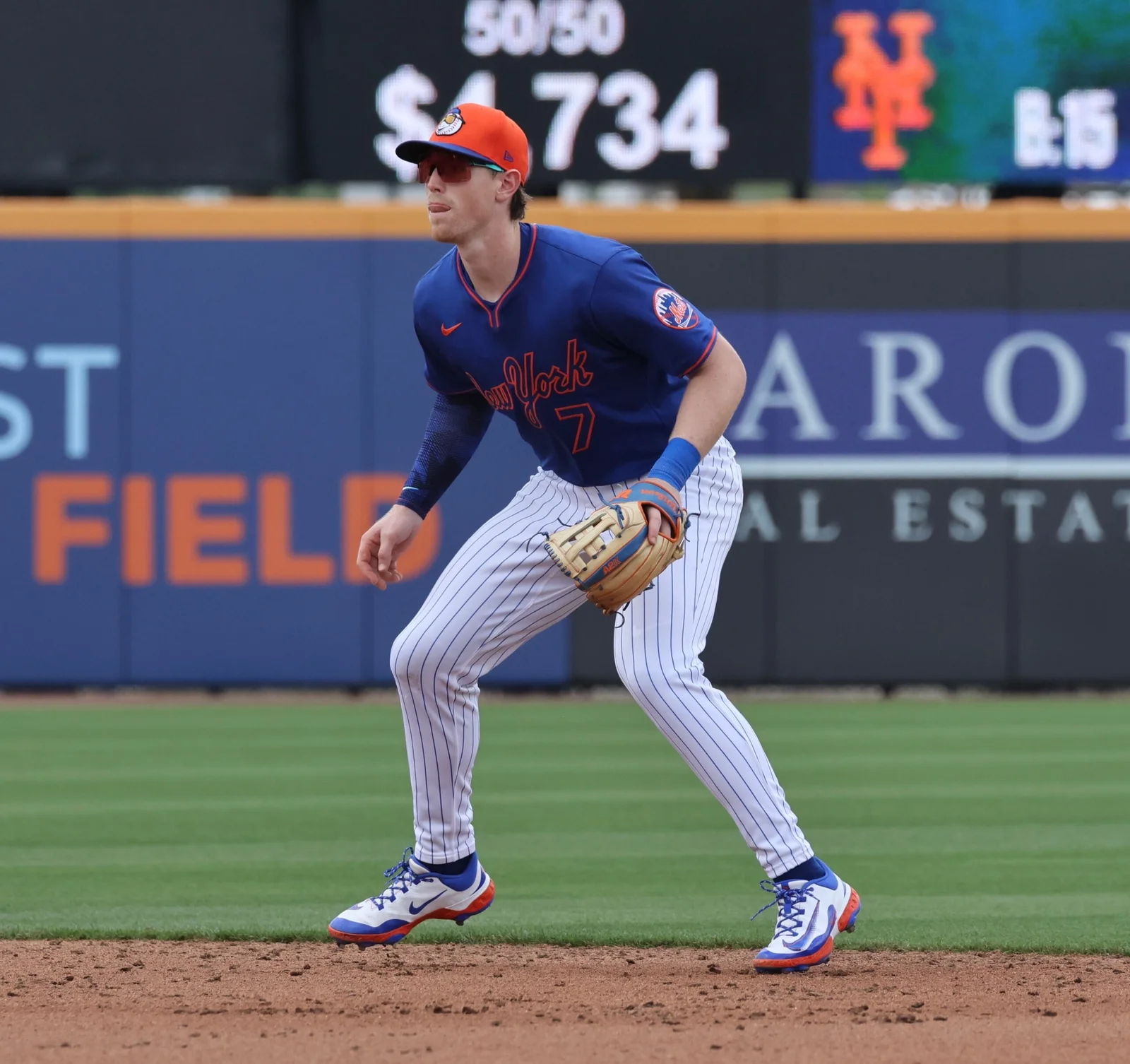
With Bo Bichette signing to play third, Brett Baty’s position is unsettled; while he has only limited left-field experience, scouting notes praise his athleticism and arm, and his sprint speed suggests he could handle the corner outfield if he refines his first step, routes, reads, and throwing accuracy, making him a potential versatile piece rather than an everyday left fielder.
New York Mets sign Bo Bichette to a three-year, $126 million contract with two opt-outs and a $5 million buyout, adding a right-handed bat with a career line of .294/.337/.469 and a standout 2025 (.311/.357/.483, 18 HR, 94 RBI, 4 SB; 134 WRC+). He’ll move to third base—a position he’s rarely played—despite questions about his arm and range, with coaching support expected to help him fit. Bichette’s elite contact, hard-hit rate, and strong performance with runners in scoring position (.330/.337/.480) should bolster a Mets lineup that already features Soto and Polanco, addressing late-inning and RISP gaps from 2025. The signing follows a market pivot after missing out on Kyle Tucker and signals a roster-building focus on depth, energy, and potential untapped power.
Toronto’s off-season reshaping continues after Bo Bichette leaves for the Mets and Kyle Tucker goes to the Dodgers, paving the way for a potential Cody Bellinger pursuit as the Blue Jays seek a defensive, AL East-ready outfield upgrade; Toronto has already spent about $337 million across four signings, including Dylan Cease, as they recalibrate their lineup behind Vladimir Guerrero Jr.
The Phillies kept catcher J.T. Realmuto on a three-year, $45 million deal with up to $5 million per year in incentives (potentially $60 million total), while the Mets pivoted to Bo Bichette, signing him to a three-year, $126 million contract and planning to deploy him at third base in the National League East after his time with the Blue Jays.
The Mets sign Bo Bichette to a 3-year, $126 million deal with opt-outs after years 1 and 2, adding a powerful bat as they rebuild and potentially reshuffle the infield; the move shakes the market after Kyle Tucker's record deal, prompting Toronto to move on, Philadelphia to pivot toward Realmuto, and Boston to recalibrate while Bichette’s position at third remains part of a larger infield logjam.
Bo Bichette agreed to a three-year, high-average annual value deal with the Mets, with opt-outs after each season, after Philadelphia reportedly made a seven-year bid near $200 million. The Phillies countered by re-signing J.T. Realmuto to a three-year, $45 million contract, while the Dodgers landed Kyle Tucker on a short-term mega deal. The piece analyzes how CBT/tax considerations and looming CBA changes are pushing teams toward shorter, high-AAV contracts rather than long, blockbuster seven- or eight-year deals.