Although many travelers have stopped wearing masks, health experts recommend using them during holiday travel to reduce the risk of respiratory infections in crowded spaces like airports and planes.
US measles cases have doubled compared to last year, prompting parents to administer the second MMR dose earlier than the standard four-to-six-year schedule. While the CDC allows the second shot as soon as four weeks after the first, many families are now opting for this accelerated timeline to ensure protection during active outbreaks. Health officials emphasize that early vaccination is safe and effective, though infants receiving doses before age one may require a third dose due to maternal antibodies.
A FAIR Health report indicates that diagnoses for opioid use disorder (OUD) among insured patients rose by nearly 33% between 2022 and 2025, even as national overdose deaths have declined since 2023. The increase in diagnoses likely reflects improved access to treatment and medication rather than a rise in addiction. Adults aged 41 to 50 represent the largest demographic group receiving these diagnoses, while those under 30 account for the smallest share.
As fall arrives, health officials urge immediate flu vaccination to ensure protection before the winter peak. The 2026-27 season features updated trivalent vaccines targeting the H3N2 subclade K and a new mRNA option for adults over 50. While immunity takes two weeks to develop, experts warn that waiting until November may leave individuals vulnerable during the December-February surge.
Medical experts advise against getting flu shots in August, recommending October instead to ensure protection lasts through the end of the season. While vaccination rates have dropped to under 44%, new mRNA vaccines offer faster response capabilities. The 2024-2025 season caused 710,000 hospitalizations, highlighting the need for timely immunization.
Florida flu season typically begins in late September or early October and peaks between December and February. The CDC recommends most adults receive their vaccine by the end of October, while certain groups, including some children and pregnant women in their third trimester, may benefit from earlier vaccination in July or August. Flu shots are widely available at pharmacies like Walgreens, CVS, and Publix, often free for insured individuals.
A fitness expert says you can maximize results with short, high-intensity workouts like Life Time’s Ultra Fit. If time is tight, aim for 20–30 minutes to start (or 50–60 minutes if possible), since vigorous effort yields greater health benefits per minute than moderate activity. The CDC recommends 75 minutes of vigorous or 150 minutes of moderate activity weekly. A new study suggests 1 minute of vigorous activity may equal 4–9 minutes of moderate for reducing risk of heart disease, Type 2 diabetes, and cancer deaths. Vigorous effort is signaled by deep, rapid breathing, inability to speak more than a few words, and sweating quickly; Ultra Fit mixes treadmill work, dumbbells, and balance moves to push limits in a shorter timeframe.
A BMJ Medicine analysis of more than 111,000 adults over 30 years found that people with the most varied workouts had a 19% lower risk of premature death than those with the least variety, regardless of total exercise time. Experts say mixing cardio, strength training, and everyday activities provides multiple physical and mental benefits, and while any activity helps, rotating routines may boost longevity.
The article discusses how people are finding ways to get Covid vaccines despite new eligibility restrictions, with adults often stretching criteria and vaccines for children being harder to access due to supply and age restrictions, though many health experts and organizations continue to support vaccination for all eligible children and adults.
California and major health insurers are proactively continuing to cover COVID-19 vaccines through 2026, despite the CDC considering changing its recommendations, ensuring broader access and aligning with scientific guidance from medical groups.
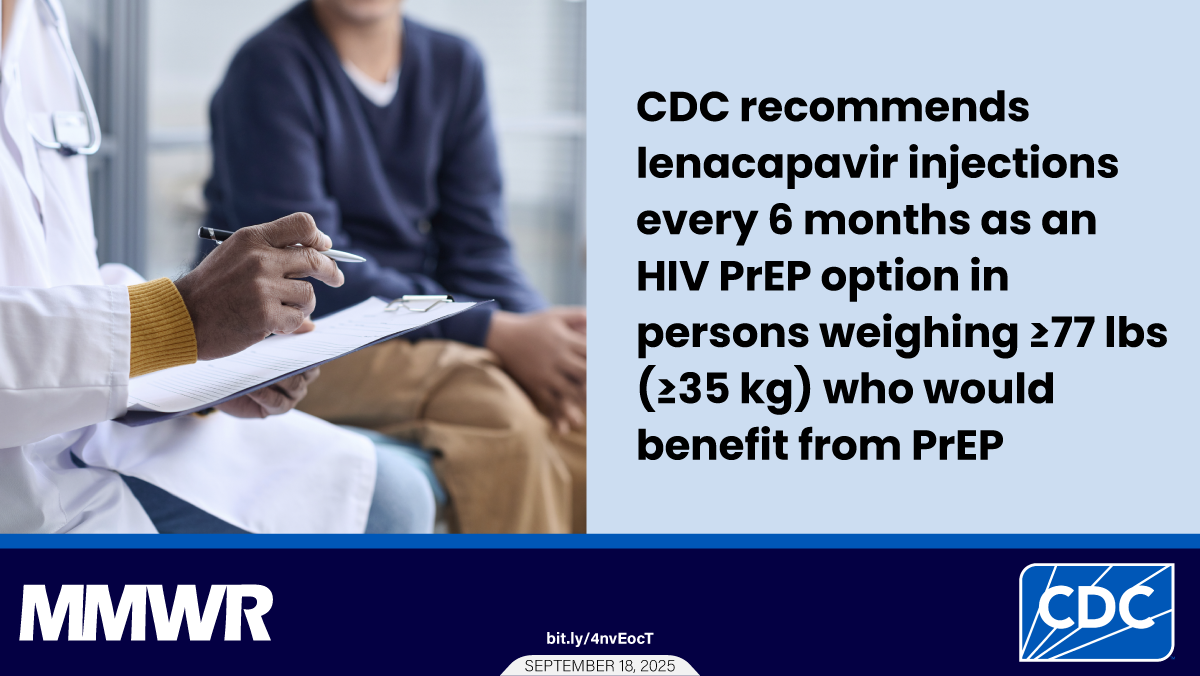
The CDC strongly recommends the use of injectable lenacapavir, administered every 6 months, as an effective and safe option for HIV preexposure prophylaxis in persons weighing at least 35 kg, based on high-certainty evidence from clinical trials showing near 100% efficacy in preventing HIV infection.
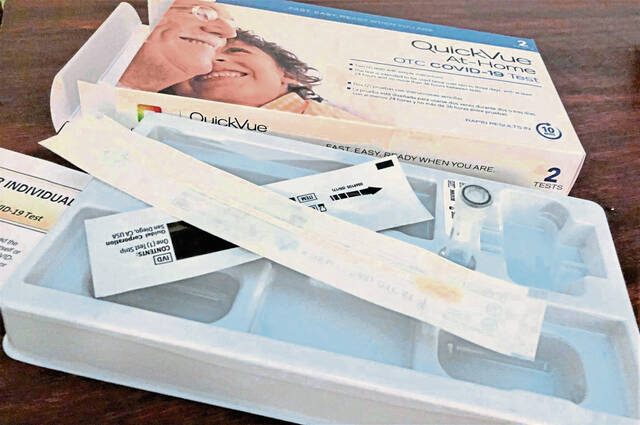
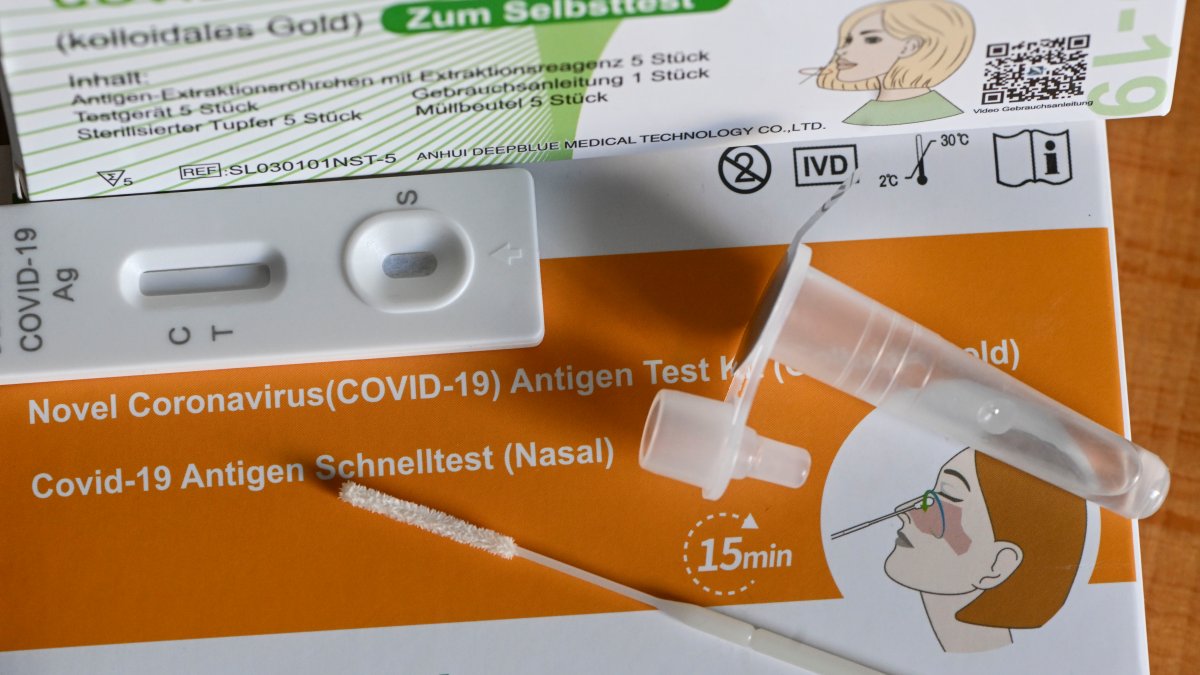
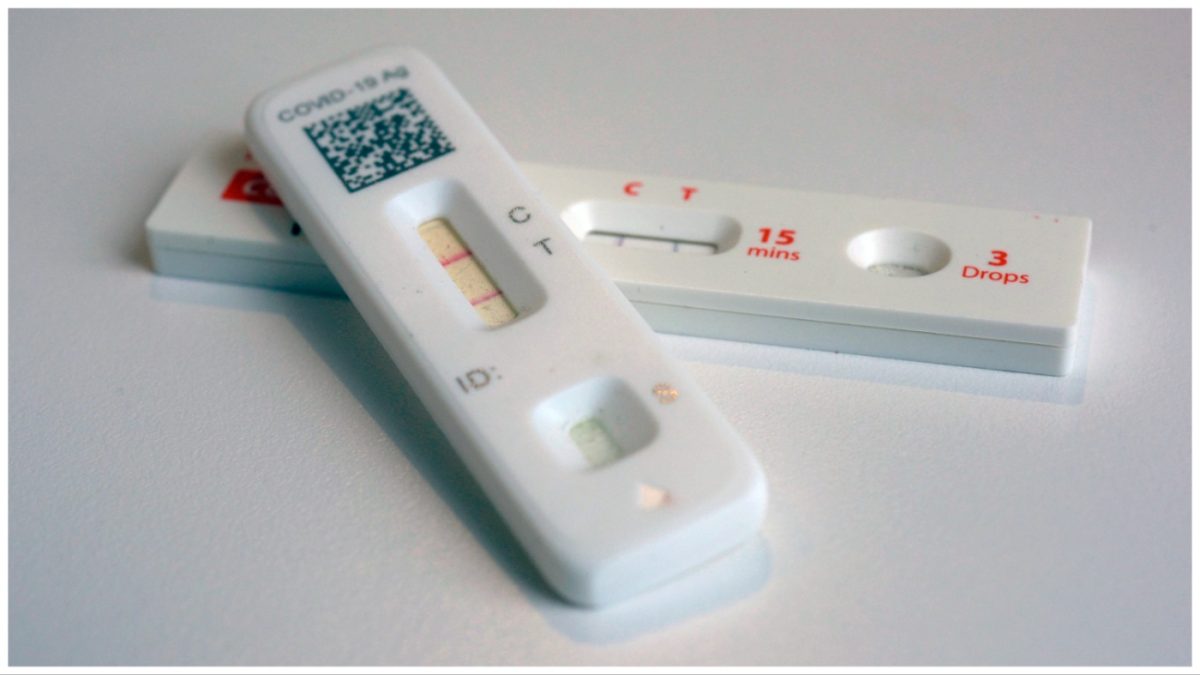
As COVID-19 cases rise in Western Pennsylvania, local doctors advise taking a COVID test if experiencing symptoms like fever, cough, or sore throat. Despite lower numbers compared to the pandemic's peak, cases in Allegheny County have increased since June. The CDC's updated guidelines allow return to work or school after being fever-free for 24 hours and recommend masking for five days. Home tests are useful but may require multiple tests for accuracy. Vaccination remains crucial to reduce severe infections and deaths, with updated vaccines expected this fall.
The CDC has updated its COVID-19 guidelines, removing the five-day isolation requirement. People can return to normal activities if their symptoms are mild and improving, and they have been fever-free for 24 hours. Additional precautions like wearing masks and maintaining distance are recommended for five more days. The CDC emphasizes vaccination, good hygiene, and improving air quality to prevent infections.
California is seeing a rise in COVID-19 cases due to new FLiRT subvariants, KP.2, KP.3, and KP.1, which have overtaken the previous dominant variant. KP.2 is now the most prevalent in the U.S. Experts suggest a potential summer surge, but current CDC data shows minimal cases. Vaccination remains crucial, especially for high-risk groups, and COVID tests can detect these new strains. Health officials recommend continued precautions like mask-wearing and seeking medical treatment if infected.
The government's free COVID-19 test kit program through USPS is ending today, with over 1.8 billion tests distributed. While the program may restart in the future, orders must be placed by today to be honored. Despite this, COVID-19 tests can still be purchased online, and various stores like Amazon, Walmart, Target, CVS, and Walgreens offer them for delivery. The end of the program comes after the CDC announced new guidelines for isolating with COVID-19 or other respiratory illnesses.