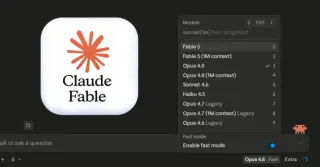
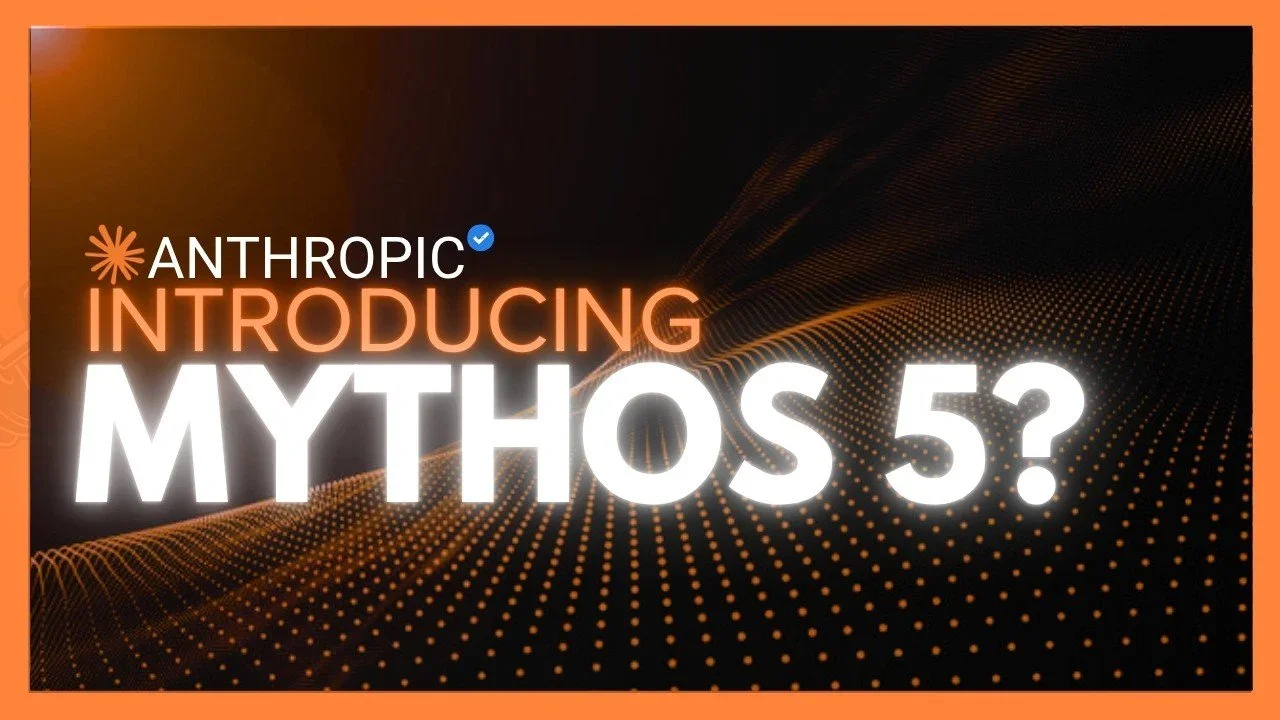
Anthropic suspended Claude Fable 5 and Mythos 5 for all customers after US national security authorities flagged a jailbreaking vulnerability, forcing an abrupt disablement amid ongoing legal disputes with the government over use of its AI tools.
Anthropic released Claude Fable 5, the public-facing version with built-in cyber safeguards, alongside Mythos 5, a guarded variant for vetted cyber defenders. Fable 5 routes dangerous cyber/biotech requests to Opus 4.8 and costs $10 per million input tokens and $50 per million output tokens, available via Claude API on select plans until June 22 before switching to usage credits; Mythos 5 remains restricted through a trusted-access program. The safeguards aim to block harmful tasks with some false positives, and external tests show robust defenses against jailbreaks though no system is entirely foolproof. The launch highlights a broader AI security challenge: rapid vulnerability discovery by AI, a 30-day data-retention rule to aid defense, a Cyber Verification Program for sanctioned offensive testing, and plans to broaden Mythos access and potentially fold Fable back into standard subscriptions.
Anthropic unveils Claude Mythos 5, a 10-trillion-parameter model aimed at high-stakes tasks like coding and cybersecurity, paired with Capabara as a mid-tier option, and adopts a phased, safety-focused rollout. Open-source GLM 5.1 enters the scene for instruction-following and multi-step workflows, while Google DeepMind launches Gemini 3.1 for real-time multimodal processing. OpenAI expands Codeex into a plug-in ecosystem to streamline development, and the ARC AGI 3 Benchmark raises the bar for evaluating agentic reasoning. Additional updates include Mistral AI’s Boxrol TTS and Anthropic’s Operon, underscoring a trend toward powerful, open, and safety-conscious AI development.