Former OpenAI researcher Jerry Tworek’s startup Core Automation aims to raise $500 million to $1 billion to develop AI models that can continually learn from real-world experience, pursuing methods not heavily focused on by incumbents like OpenAI or Anthropic.
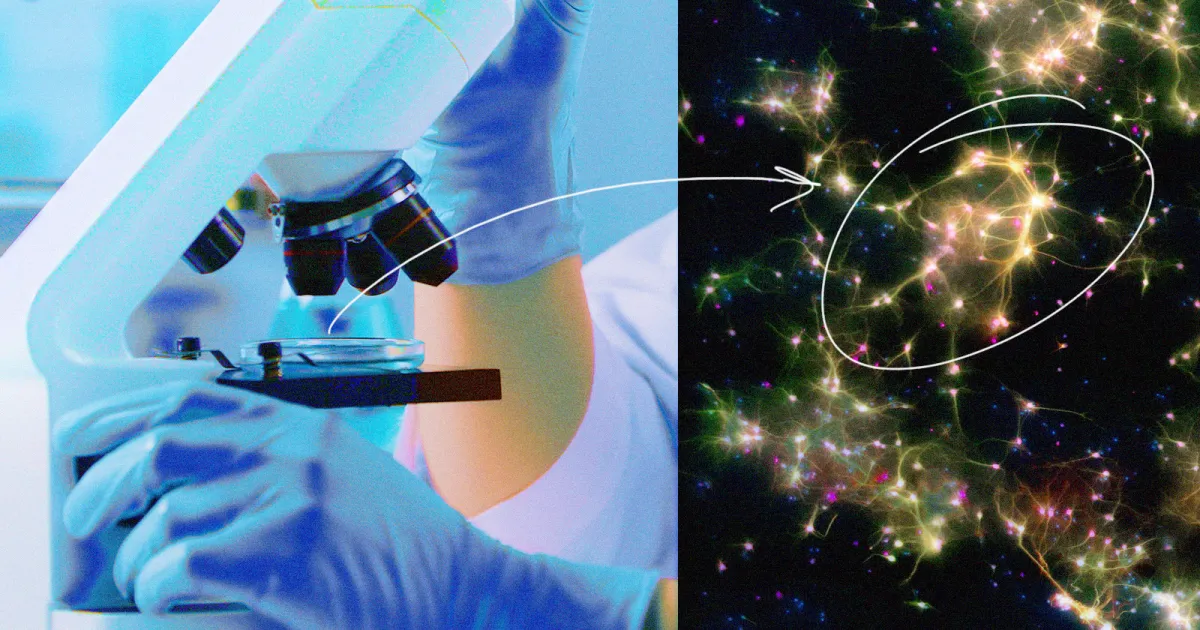
The Australian military is funding a project to grow intelligent "mini-brains" in petri dishes, known as DishBrains, with the goal of designing better AIs and eventually merging them with human brain cells. Researchers at Monash University in Australia have already trained brain organoids to play Pong by stimulating electrodes in certain parts of the array to indicate the path of the ball and the location of the paddle. The next step is to address the issue of catastrophic forgetting in AI algorithms and develop systems capable of continual learning. Ultimately, the researchers aim to replace traditional computer chips with intelligent organoids to create advanced biocomputers. However, scaling up the number of cells in brain organoids and increasing their complexity remain significant challenges.
Researchers at Ohio State University have made progress in developing artificial intelligence (AI) that can mimic human learning through a process called "continual learning." They found that AI neural networks can suffer from "catastrophic forgetting," where they lose information from previous training as they take on new tasks. The study revealed that AI networks better retain information when trained on diverse tasks rather than similar ones. This research brings scientists closer to developing AI that exhibits lifelong, human-like learning, which could lead to faster scaling and adaptation to evolving environments. The International Conference on Machine Learning also featured work by MIT on disrupting deepfake images and Google's AI and machine learning research in various fields.